


Drafts in a home can lead to discomfort, uneven temperatures, and higher energy bills. One of the most effective ways to address these issues is by improving the insulation in your attic. Understanding how attic insulation reduces drafts is key to creating a more comfortable and energy-efficient living space. This guide explores the mechanisms behind attic insulation, its role in minimizing air leaks, and practical steps homeowners can take to ensure their attic is properly insulated.
Before diving into the details, it’s worth noting that the benefits of attic insulation extend beyond just draft reduction. For those interested in learning how insulation can also impact utility costs, you might find our article on how attic insulation reduces energy bills helpful.
Understanding Drafts and Air Leaks in the Home
Drafts are unwanted flows of outside air that enter your home through gaps, cracks, and poorly sealed areas. These air leaks are most common around windows, doors, and especially in the attic. When warm air escapes in winter or hot air infiltrates in summer, your heating and cooling systems have to work harder, leading to increased energy consumption and discomfort.
The attic is a primary source of these leaks because it sits at the top of the house, where rising warm air naturally accumulates. Without proper insulation, this air can easily escape through the roof or be replaced by cold air from outside, creating noticeable drafts in living spaces below.
How Proper Attic Insulation Reduces Drafts
The main function of attic insulation is to act as a barrier that limits the movement of air between your home and the outside environment. Here’s how effective insulation helps minimize drafts:
- Sealing Gaps and Cracks: Insulation fills the spaces where air can leak in or out, such as around joists, vents, and electrical penetrations.
- Reducing Air Movement: By creating a continuous layer of material, insulation slows down the transfer of air, making it harder for drafts to develop.
- Maintaining Consistent Temperatures: With fewer drafts, indoor temperatures remain more stable, reducing the need for constant heating or cooling.
Types of Attic Insulation and Their Effectiveness Against Drafts
There are several types of insulation materials commonly used in attics, each with different properties and levels of effectiveness at stopping air leaks:
- Fiberglass Batts: These are pre-cut panels that fit between attic joists. They are affordable and easy to install, but may leave gaps if not fitted properly.
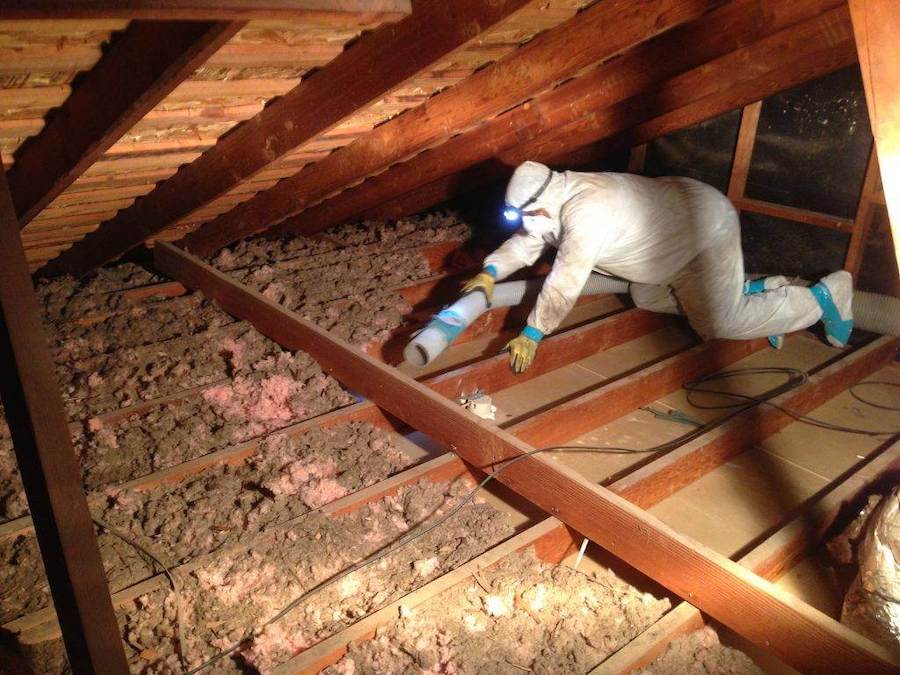
- Blown-In Cellulose: This loose-fill material can be blown into hard-to-reach spaces, making it excellent for sealing irregular gaps and providing thorough coverage.
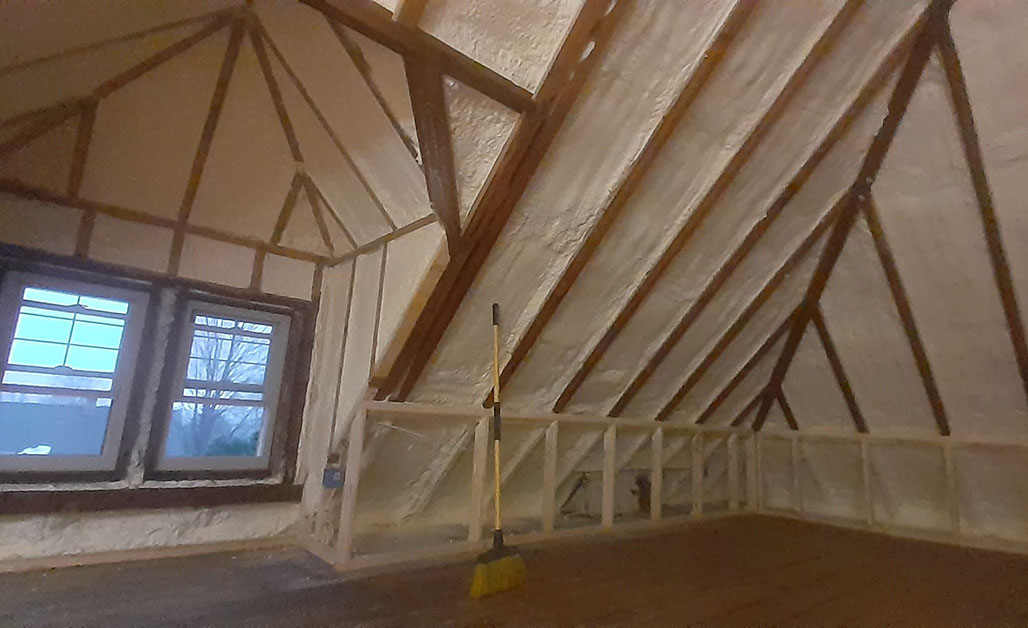
- Spray Foam: Expanding foam insulation creates an airtight seal, filling even the smallest cracks. It’s one of the most effective options for eliminating drafts but can be more expensive.
- Rigid Foam Boards: These panels offer high insulating value and are often used in combination with other materials for added protection.
Choosing the right insulation depends on your attic’s structure, climate, and budget. For those living in colder regions, you may want to review our recommendations for attic insulation for cold climates to ensure optimal performance.
Steps to Improve Attic Insulation and Minimize Drafts
Addressing drafts with attic insulation involves more than just adding material. Here’s a step-by-step approach to maximize results:
- Inspect for Air Leaks: Before installing new insulation, locate and seal obvious gaps, cracks, and penetrations using caulk or expanding foam.
- Evaluate Existing Insulation: Check if your current insulation is sufficient. If it’s compressed, damp, or missing in spots, it’s time to upgrade.
- Choose the Right Material: Select an insulation type that fits your attic’s needs and provides a continuous barrier.
- Install Properly: Ensure insulation is evenly distributed and covers all areas, including corners and around obstructions.
- Maintain Ventilation: While sealing drafts is important, proper attic ventilation prevents moisture buildup and maintains indoor air quality. Learn more about this balance in our guide on attic insulation and moisture control.
Additional Benefits of Upgrading Attic Insulation
While the primary focus here is on how attic insulation reduces drafts, there are several other advantages to consider:
- Lower Energy Bills: With fewer drafts, your HVAC system runs less often, saving money on heating and cooling.
- Improved Comfort: Eliminating cold spots and temperature swings makes your home more pleasant year-round.
- Enhanced Indoor Air Quality: Proper insulation helps keep out dust, pollen, and outdoor pollutants.
- Protection Against Moisture and Mold: By reducing air movement, insulation helps control humidity and prevents condensation, which can lead to mold growth. For more on this topic, see our article on attic insulation and mold prevention.
- Increased Home Value: Energy-efficient upgrades are attractive to buyers and can boost resale value.
Common Signs Your Attic Needs Better Insulation
Not sure if your attic is contributing to drafts? Look for these indicators:
- Noticeable temperature differences between rooms or floors
- Cold ceilings or walls during winter months
- Ice dams forming on the roof
- High heating or cooling bills
- Visible gaps or thin spots in attic insulation
If you observe any of these issues, it’s a good idea to have a professional evaluate your attic and recommend improvements.
FAQ: Attic Insulation and Draft Reduction
How does attic insulation stop drafts from entering my home?
Attic insulation acts as a barrier that blocks outside air from seeping in and prevents conditioned air from escaping. By filling gaps and creating a continuous layer, it significantly reduces the pathways through which drafts can occur.
Is it necessary to seal air leaks before adding new insulation?
Yes, sealing air leaks is an essential first step. Insulation slows down heat transfer, but if there are large gaps or cracks, air can still move freely. Sealing these areas ensures your insulation works as intended.
Can attic insulation help with moisture problems as well as drafts?
Absolutely. By reducing air movement, insulation helps control humidity and condensation in the attic, which can prevent moisture-related issues like mold growth. For a deeper explanation, check our resource on attic insulation and moisture control.
What type of insulation is best for stopping drafts?
Spray foam is highly effective for sealing air leaks, but blown-in cellulose and properly installed fiberglass batts can also perform well. The best choice depends on your attic’s layout, climate, and budget.
Does attic insulation need to be replaced over time?
Insulation can settle, compress, or become damaged by moisture or pests. It’s wise to inspect your attic every few years and upgrade insulation as needed to maintain its effectiveness against drafts.


