


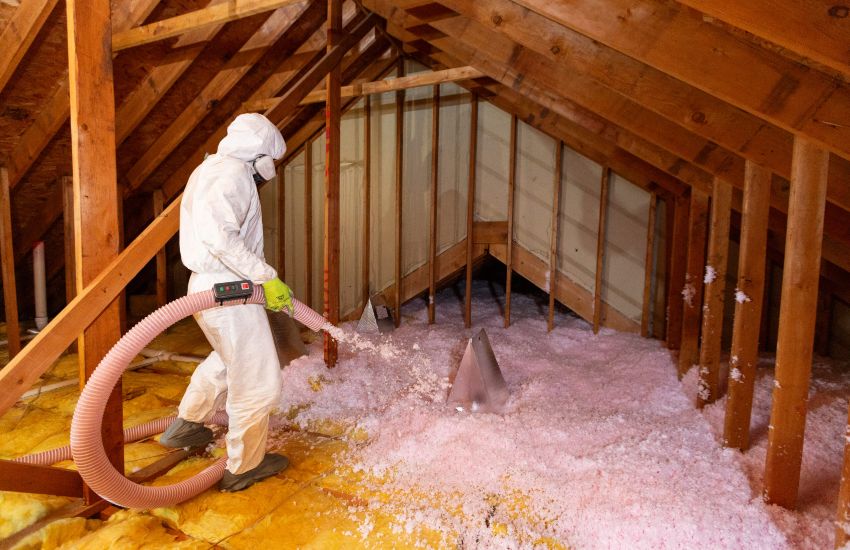
Keeping your home’s attic insulation in optimal condition is essential for energy efficiency, comfort, and long-term savings. As the seasons change, so do the demands on your insulation system. Regular upkeep not only helps maintain consistent indoor temperatures but also prevents costly issues like moisture buildup, pest infestations, and heat loss. This guide covers practical steps and expert advice for attic insulation seasonal maintenance, ensuring your home stays protected year-round.
If you’re interested in learning how proper insulation can add value to your property, check out this resource on how attic insulation improves home value.
Why Regular Attic Insulation Maintenance Matters
Attic insulation acts as a barrier against heat transfer, helping to keep your home warm in winter and cool in summer. Over time, insulation materials can degrade, settle, or become damaged due to moisture, pests, or air leaks. Without routine checks and upkeep, your home’s energy efficiency may decline, leading to higher utility bills and potential structural problems.
Seasonal maintenance is especially important because each time of year brings unique challenges. For example, winter can expose weaknesses in insulation as heat escapes, while summer may reveal issues with ventilation or excess humidity. Proactive care helps you address small problems before they become major repairs.
Spring and Summer: Preparing for Warmer Months
As temperatures rise, your attic space can become a hotspot for heat buildup and moisture accumulation. Spring and summer are ideal times to inspect and address any issues that may have developed over the colder months.
- Inspect for Moisture and Mold: Look for signs of water stains, damp insulation, or musty odors. Moisture can reduce insulation effectiveness and encourage mold growth.
- Check for Pest Activity: Rodents and insects often seek shelter in attics during winter. Remove any nests or droppings, and seal entry points to prevent future infestations.
- Assess Ventilation: Proper airflow is crucial for preventing heat and moisture buildup. Make sure soffit and ridge vents are clear of debris.
- Re-fluff or Replace Compacted Insulation: Insulation can settle over time, reducing its R-value. Gently fluff loose-fill materials or add more if needed.

For those with newer homes, you may want to explore specific recommendations for attic insulation for new homes to ensure your system meets modern standards.
Fall and Winter: Insulation Checks for Cold Weather
As cooler weather approaches, it’s important to make sure your attic insulation is ready to handle increased heating demands. Taking the time to perform a thorough inspection and address any issues can help prevent heat loss and keep your home comfortable.
- Look for Air Leaks: Seal gaps around attic hatches, plumbing stacks, and electrical penetrations. Even small leaks can significantly reduce insulation performance.
- Examine Insulation Coverage: Ensure there are no bare spots or thin areas, especially near eaves and corners.
- Upgrade Where Needed: If your insulation is outdated or has a low R-value, consider adding more or switching to a higher-performance material.
- Check for Ice Dams: In snowy climates, ice dams can form if warm air escapes into the attic. Proper insulation and ventilation help prevent this issue.
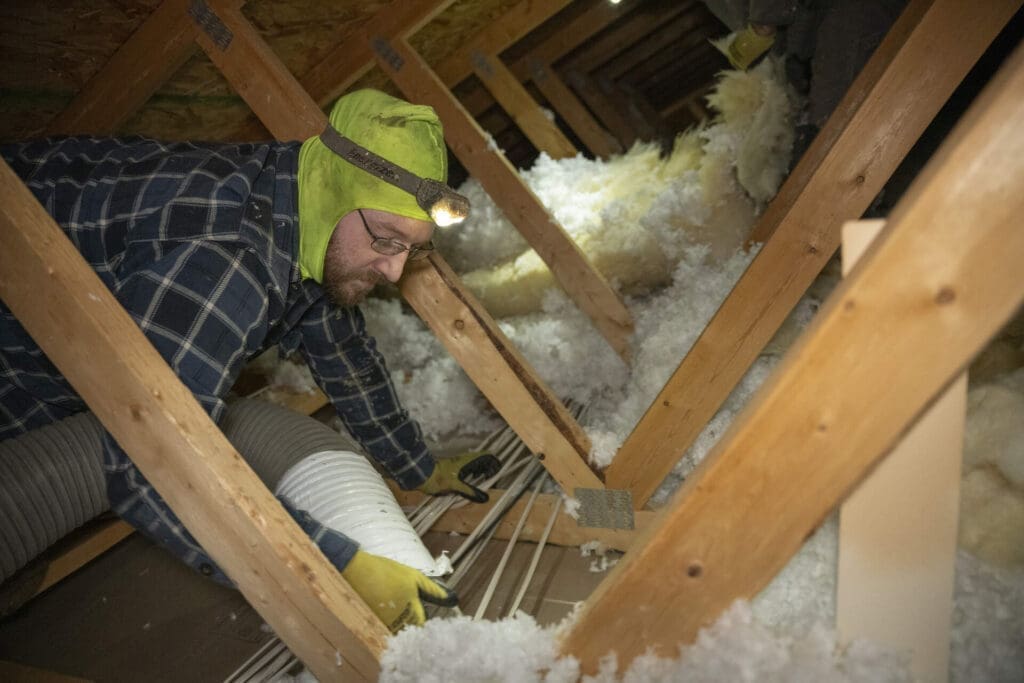
If you’re considering an upgrade, learning about how spray foam insulation works or the blown-in insulation benefits can help you make an informed decision.
Key Steps for Year-Round Attic Insulation Seasonal Maintenance
To keep your attic insulation performing at its best, it’s helpful to follow a consistent maintenance routine. Here are some essential actions to include throughout the year:
- Schedule Biannual Inspections: Check your attic insulation every spring and fall. Look for signs of damage, settling, or pest activity.
- Monitor Indoor Humidity: High humidity can lead to condensation and mold. Use a hygrometer to keep levels in check, especially during summer.
- Maintain Proper Ventilation: Ensure vents are unobstructed and functioning. Good airflow helps regulate temperature and moisture.
- Address Issues Promptly: If you notice any problems—such as wet insulation, drafts, or visible mold—take action right away to prevent further damage.
- Consider Professional Assessments: If you’re unsure about the condition of your insulation, a professional energy audit can provide valuable insights and recommendations.
Different insulation materials may require unique care. For example, if your attic uses fiberglass, you can read more about how fiberglass insulation works and its specific maintenance needs.
Common Issues Uncovered During Attic Insulation Maintenance
Routine checks often reveal problems that, if left unaddressed, can impact your home’s comfort and efficiency. Some of the most frequent issues include:
- Settling and Compression: Over time, insulation can lose its loft, reducing its ability to trap air and resist heat flow.
- Moisture Damage: Leaks from the roof or condensation can saturate insulation, leading to mold and decreased effectiveness.
- Pest Infestations: Rodents and insects can tunnel through insulation, leaving behind droppings and damaging materials.
- Air Leaks: Gaps and cracks allow conditioned air to escape, making your HVAC system work harder.
- Inadequate Coverage: Older homes may have insufficient insulation, especially in hard-to-reach areas.
Addressing these problems promptly as part of your attic insulation seasonal maintenance routine will help extend the lifespan of your insulation and maintain a comfortable home environment.
Frequently Asked Questions
How often should attic insulation be checked?
It’s best to inspect your attic insulation at least twice a year—once in the spring and again in the fall. This schedule allows you to catch seasonal issues early and keep your insulation performing efficiently.
What are signs that attic insulation needs to be replaced?
Common signs include persistent drafts, uneven temperatures, rising energy bills, visible mold, water stains, or pest infestations. If insulation appears thin, compressed, or damaged, it may be time for an upgrade.
Can I add new insulation on top of old insulation?
In many cases, you can add new insulation over existing material, provided the old insulation is dry and free from mold or pests. However, it’s important to address any underlying issues first to ensure optimal performance.
Regular attic insulation seasonal maintenance is a smart investment for any homeowner. By following these practical steps and staying proactive, you can improve comfort, reduce energy costs, and protect your home for years to come.


