


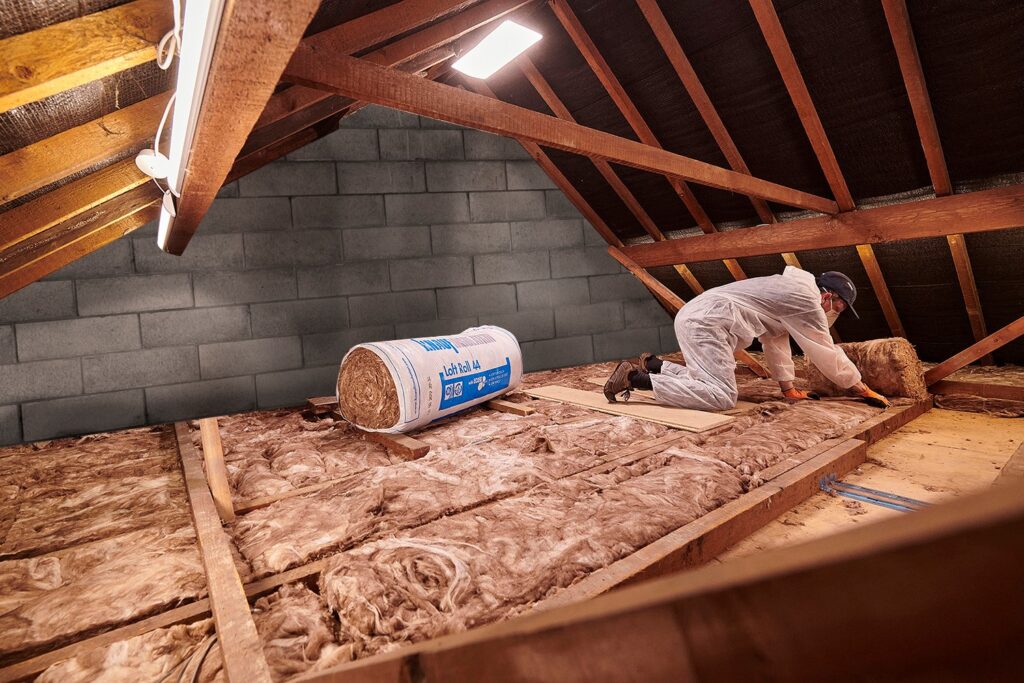
Many homeowners are surprised to learn that the attic plays a significant role in how much outside noise enters their living spaces. Whether you live near a busy street, under a flight path, or simply want a quieter home, the right approach to attic insulation for soundproofing can make a substantial difference. This guide covers how attic insulation helps block unwanted sounds, which materials are most effective, and practical steps for improving your home’s acoustic comfort.
Along with thermal benefits, attic insulation can help reduce the transmission of airborne and impact noise. By understanding the principles of sound control and selecting the right products, you can create a more peaceful indoor environment. For those living in regions with harsh winters, it’s also worth exploring attic insulation for cold climates to maximize both energy savings and comfort.
How Attic Insulation Reduces Noise
The attic is often a weak point for sound transmission. Noise from traffic, rain, wind, or even neighbors can travel through the roof and attic floor into your living areas. Insulation acts as a barrier, absorbing and dampening these sounds before they reach the rooms below.
There are two main types of noise that attic insulation helps control:
- Airborne noise: Sounds that travel through the air, such as voices, music, or passing vehicles.
- Impact noise: Vibrations caused by footsteps, hail, or objects striking the roof.
By increasing the mass and density of the attic floor and roof, insulation materials help block and absorb both types of noise. The effectiveness depends on the type, thickness, and installation quality of the insulation.
Best Materials for Attic Soundproofing
Not all insulation products perform equally when it comes to noise reduction. Some materials are better at absorbing sound, while others primarily block heat transfer. Here are the most effective options for attic insulation for soundproofing:
- Mineral wool (rock wool or slag wool): Known for its high density and excellent sound absorption, mineral wool is a top choice for both thermal and acoustic insulation.
- Fiberglass batts: Widely available and affordable, fiberglass offers moderate sound absorption, especially when installed in thick layers.
- Cellulose insulation: Made from recycled paper, cellulose is dense and effective at dampening airborne noise. It can be blown into attic cavities for full coverage.
- Spray foam: While primarily used for air sealing and thermal performance, closed-cell spray foam adds some mass and can help reduce sound transmission, particularly when combined with other materials.
- Acoustic panels or mats: These specialized products can be installed over existing insulation for additional sound control, especially in home studios or media rooms.
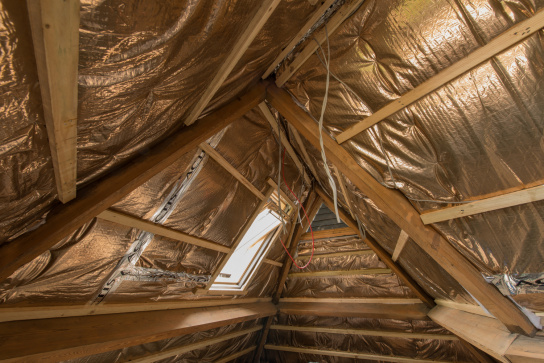
When choosing a material, consider both its sound absorption rating (NRC) and its ability to block sound (STC). Combining materials can often yield the best results for both thermal and acoustic performance.
Installation Tips for Maximum Sound Control
Proper installation is just as important as material selection. Even the best insulation won’t perform well if there are gaps, compression, or poor coverage. Here are some key tips for achieving the best soundproofing results in your attic:
- Seal all air leaks: Use caulk or spray foam to seal gaps around attic hatches, electrical penetrations, and ductwork. Air leaks allow sound to travel freely between spaces.
- Fill cavities completely: Insulation should be installed to the full depth of joists or rafters, with no voids or compressed areas.
- Layer for extra mass: Adding a second layer of insulation perpendicular to the first can help block more noise, especially with fiberglass or mineral wool batts.
- Consider resilient channels or acoustic mats: For serious sound control, install resilient channels or acoustic mats beneath the attic floor or ceiling drywall to further decouple and dampen vibrations.
- Address attic access points: Insulate and weatherstrip attic doors or pull-down stairs, as these are common weak spots for both noise and heat loss.
For homes in hot regions, it’s also useful to learn about attic insulation for hot climates to ensure your soundproofing efforts don’t compromise energy efficiency.
Additional Benefits of Soundproof Attic Insulation
While the main goal may be to reduce noise, upgrading your attic insulation brings several other advantages:
- Improved energy efficiency: A well-insulated attic helps maintain indoor temperatures, reducing heating and cooling costs. For more details, see how attic insulation reduces energy bills.
- Enhanced comfort: Blocking drafts and temperature swings leads to a more comfortable home year-round.
- Moisture control: Proper insulation can help manage humidity and prevent condensation. Learn more in attic insulation and moisture control.
- Mold prevention: By reducing moisture buildup, insulation helps protect against mold growth. For further reading, visit attic insulation and mold prevention.
- Increased property value: Homes with upgraded insulation and soundproofing are often more attractive to buyers.

Common Mistakes to Avoid
Even with the best intentions, some common errors can undermine your soundproofing efforts:
- Ignoring air gaps: Small cracks or holes can let in a surprising amount of noise. Always seal thoroughly before adding insulation.
- Using the wrong material: Not all insulation is designed for acoustic performance. Choose products with proven sound absorption properties.
- Overlooking attic access: Uninsulated hatches or doors can be major sources of sound leaks.
- Compressing insulation: Flattened or compressed batts lose both thermal and acoustic effectiveness.
- Neglecting ventilation: While sealing air leaks is important, maintaining proper attic ventilation prevents moisture problems.
FAQ: Attic Soundproofing and Insulation
What type of attic insulation is best for blocking noise?
Mineral wool is generally considered the most effective for both sound absorption and thermal performance, thanks to its density and structure. Thick layers of fiberglass or cellulose can also provide good results, especially when installed properly and combined with air sealing.
Can I add soundproofing insulation over existing attic insulation?
Yes, you can add an additional layer of sound-absorbing insulation over existing material, as long as the attic structure can support the extra weight. Make sure to avoid compressing the lower layer and address any air leaks before installing new insulation.
Will attic insulation reduce noise from rain and hail?
Adding insulation helps dampen the sound of rain, hail, and other impacts on the roof. For maximum reduction, combine insulation with resilient channels or acoustic mats beneath the attic floor or ceiling drywall.
Is professional installation necessary for attic soundproofing?
While many homeowners can install insulation themselves, professional installers can ensure complete coverage, proper air sealing, and the use of the best materials for your specific needs. This can lead to better long-term results, especially in challenging attic layouts.


