


In today’s world, the call for sustainable practices has never been more urgent. As homeowners, we can play a significant role in reducing environmental impact. One innovative way to do this is by adopting zero-waste roofing ideas. These ideas not only benefit the environment but also enhance the aesthetic and functional value of your home.
By incorporating zero-waste roofing ideas, you can contribute to a healthier planet while enjoying a durable and efficient roof. Whether you’re building a new house or considering a roof replacement, these eco-friendly solutions will guide your decisions.
Understanding Zero-Waste Roofing
Before diving into the specifics, it’s essential to understand what zero-waste roofing entails. The concept revolves around minimizing waste generated during roof construction and replacement. It emphasizes the use of recyclable materials and aims to extend the lifespan of roofing materials.
The Importance of Zero-Waste Practices
Adopting zero-waste practices in roofing helps conserve natural resources, reduce landfill waste, and lower carbon footprint. It aligns with global sustainability goals and promotes a circular economy where materials are reused and recycled.
Eco-Friendly Roofing Materials
Recycled Shingles
One of the simplest zero-waste roofing ideas is using recycled shingles. These shingles are made from post-consumer waste, such as plastic and rubber. They offer durability and weather resistance similar to traditional shingles.
Metal Roofing
Metal roofing is another excellent choice for those pursuing zero-waste solutions. It is durable, recyclable, and often made from recycled materials. Metal roofs reflect sunlight, reducing energy use and costs.
Green Roofs
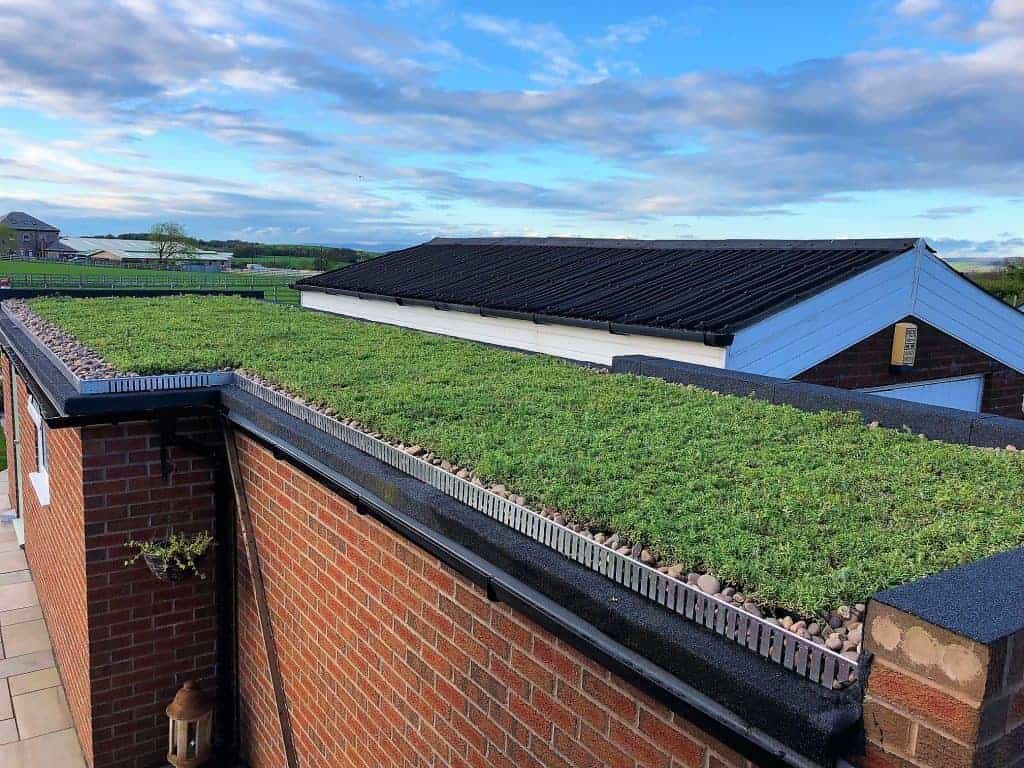
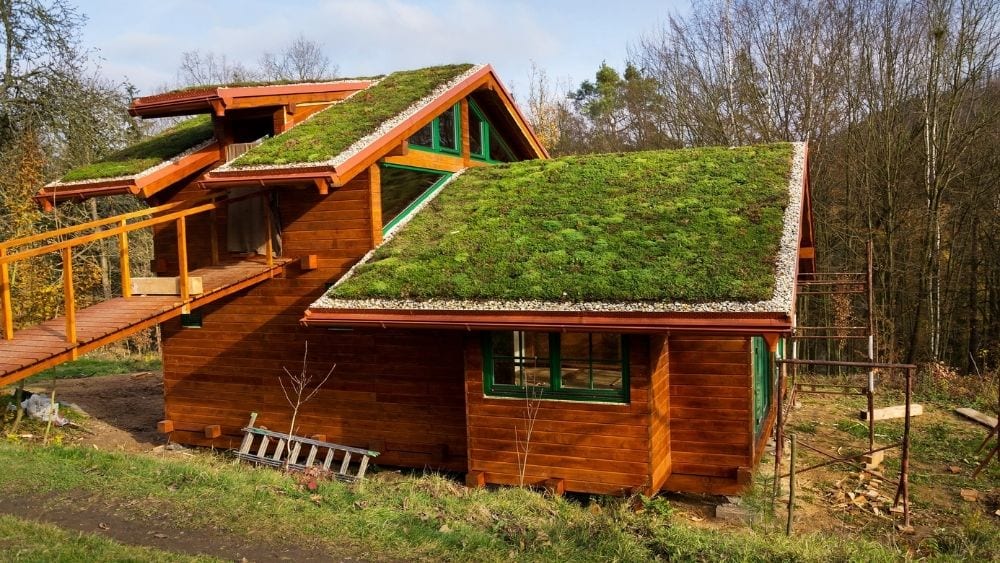
Green roofs are a perfect example of combining aesthetics with sustainability. They involve growing vegetation on your roof, which helps in insulation and air purification. For more information on the lifespan of green roofs, visit Green Roof Lifespan.
Installation Techniques for Zero-Waste Roofing
Efficient Material Usage
Minimizing waste begins with using materials efficiently. Plan your roofing project carefully to ensure precise cuts and reduce excess material.
Reuse of Old Materials
Whenever possible, reuse old roofing materials. For instance, old tiles can be repurposed for garden paths or as decorative elements in landscaping.
Benefits of Zero-Waste Roofing
Environmental Impact
Zero-waste roofing significantly reduces the amount of waste sent to landfills. It conserves raw materials and reduces energy consumption associated with manufacturing new products.
Cost Savings
While some eco-friendly materials may have a higher upfront cost, they often lead to long-term savings through increased durability and energy efficiency.
Challenges and Solutions
Initial Costs
One challenge of implementing zero-waste roofing ideas is the initial cost. However, the long-term benefits and savings often outweigh these costs.
Skill Requirements
Zero-waste roofing may require specialized skills for installation. Hiring experienced professionals can ensure that your roofing project aligns with zero-waste principles.
Innovative Zero-Waste Roofing Designs
Solar Roofs
Solar roofing integrates solar panels directly into the roofing material. This design not only generates renewable energy but also reduces reliance on non-renewable resources.
Cool Roofs
Cool roofs are designed to reflect more sunlight and absorb less heat. This reduces cooling costs and improves indoor comfort.
Future Trends in Zero-Waste Roofing
The future of roofing is leaning heavily towards sustainability. Innovations such as smart roofs, which monitor environmental conditions, are on the rise. These trends indicate a growing emphasis on eco-friendly and zero-waste practices in construction.
Conclusion
Incorporating zero-waste roofing ideas into your home’s design is a step towards a more sustainable lifestyle. By choosing eco-friendly materials and practices, you contribute to a healthier planet while enjoying the benefits of a durable, efficient roof.
FAQs
What are zero-waste roofing materials?
Zero-waste roofing materials include recycled shingles, metal roofing, and green roofs. These materials are designed to minimize waste and environmental impact.
How can I reduce waste during roof installation?
To reduce waste, plan your project meticulously, use materials efficiently, and consider reusing old roofing materials wherever possible.
Are zero-waste roofs more expensive?
While the initial cost may be higher, zero-waste roofs often result in long-term savings due to increased durability and energy efficiency. For more insights on eco-conscious roofing trends, visit Eco-Conscious Roofing Trends.
For further reading on sustainable roofing options, you can explore detailed studies on the topic at ScienceDirect.
This article contains affiliate links. We may earn a commission at no extra cost to you.


