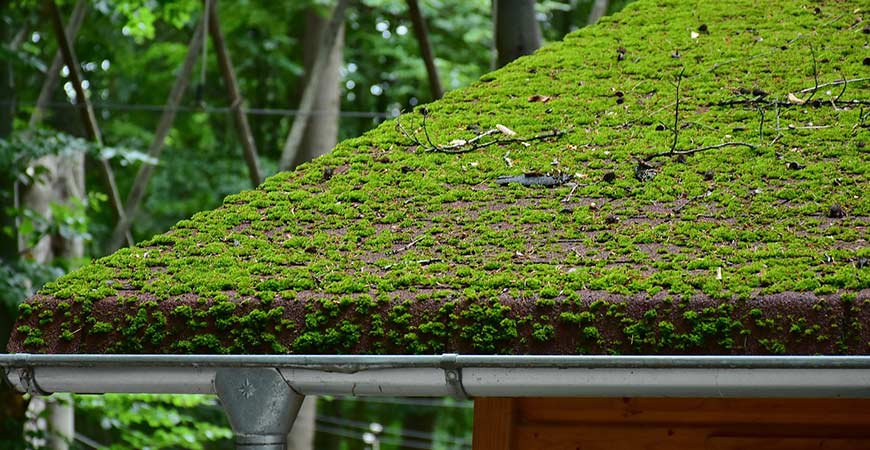
Moss on roofs is a common sight, particularly in regions with high humidity and frequent rain. For many homeowners, a puzzling observation is that moss seems to thrive more on the north side of the roof. Understanding this phenomenon is not only interesting but also crucial for maintaining your roof’s integrity and longevity. This article delves into why roof moss grows faster on the north side, the science behind it, and what homeowners can do to manage it effectively.
The Science Behind Moss Growth
Moss is a non-vascular plant that thrives in damp, shaded environments. Unlike other plants, moss doesn’t have a root system, which allows it to grow on hard surfaces like roofs. It absorbs moisture and nutrients directly through its leaves. This unique characteristic enables moss to colonize areas where other plants might struggle to survive.
North Side: The Perfect Habitat
The north side of a roof typically receives less sunlight compared to other sides. This reduced sunlight exposure creates a cooler and more humid environment, ideal conditions for moss growth. With less light and more moisture retention, the north side becomes a haven for moss.
Environmental Factors Contributing to Moss Growth
Several environmental factors contribute to the faster growth of moss on the north side of roofs. These include:
Shade and Moisture
Trees and surrounding structures often cast shade on the north side, further reducing sunlight exposure. Additionally, the absence of direct sunlight means that dew and rainwater evaporate more slowly, providing a consistent source of moisture for moss to flourish.
Climate and Weather Patterns
In regions with a wet climate, moss growth is accelerated. The combination of frequent rainfall and cooler temperatures typical of the north side of a roof creates an ideal environment for moss proliferation.
Implications of Moss Growth on Roofs
While moss may seem harmless, it can have significant implications for your roof’s health:
Structural Damage
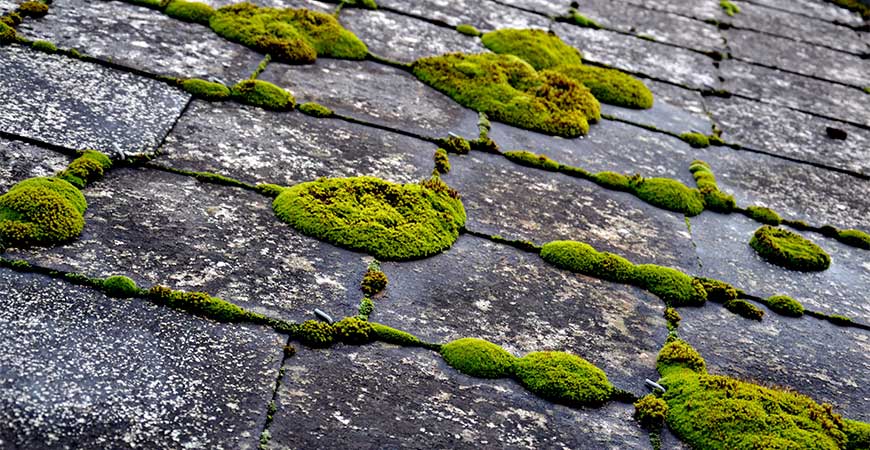
Moss can trap moisture against the roof surface, leading to potential water damage and rot. Over time, this can weaken roofing materials, compromising the structural integrity of the roof.
Aesthetic Concerns
Beyond structural issues, moss-covered roofs can detract from a property’s curb appeal. Homeowners might find themselves dealing with unsightly green patches that can impact the overall appearance of their home.
Preventing and Managing Moss Growth
To keep your roof moss-free, consider the following strategies:
Regular Maintenance
Regular roof inspections and cleaning can prevent moss from taking hold. It’s essential to remove debris and maintain clean gutters to ensure proper drainage.
Professional Help
For extensive moss growth, hiring a professional roofing service can be a wise decision. Professionals can safely and effectively remove moss without damaging the roof. Check out our guide on DIY vs. professional cleaning to learn more.
DIY Solutions
For those who prefer a hands-on approach, there are several DIY methods to manage moss. These include using a moss-specific cleaner or a simple solution of water and vinegar. Our DIY budget tips offer more insights on effective moss removal techniques.
Conclusion
Understanding why roof moss grows faster on the north side helps homeowners take proactive steps to manage and prevent it. By recognizing the environmental factors at play and employing regular maintenance strategies, you can protect your roof and enhance your home’s aesthetic appeal. For more detailed information, visit IKO’s guide on moss removal.
FAQs
Why does moss prefer shaded areas?
Moss thrives in shaded areas because they have higher moisture levels and less sunlight, which are ideal conditions for its growth.
Can I prevent moss from growing on my roof?
Yes, regular cleaning and maintenance, along with ensuring proper drainage, can significantly reduce the likelihood of moss growth.
Is moss harmful to my roof?
Yes, moss can trap moisture against the roof, leading to structural damage and aesthetic concerns over time.
This article contains affiliate links. We may earn a commission at no extra cost to you.