


Many homeowners overlook the role of attic insulation, yet it’s one of the most crucial aspects of a comfortable and energy-efficient house. Properly insulating your attic helps maintain consistent indoor temperatures, reduces energy bills, and protects your home from moisture and structural issues. Understanding why attic insulation is important can help you make informed decisions about upgrades or maintenance, ensuring your living space remains healthy and cost-effective year-round.
If you’re interested in learning more about insulation performance, be sure to check out attic insulation R-value explained for a deeper dive into efficiency ratings and what they mean for your home.
How Attic Insulation Impacts Energy Efficiency
One of the main reasons homeowners invest in attic insulation is to improve energy efficiency. Without a sufficient barrier, heat escapes during winter and penetrates your home during summer, forcing your HVAC system to work harder. This increased demand leads to higher utility bills and unnecessary energy waste.
A well-insulated attic acts as a thermal shield, helping to keep warm air inside during colder months and blocking heat from entering in the summer. This temperature regulation not only makes your home more comfortable but also extends the lifespan of your heating and cooling equipment by reducing wear and tear.
Reducing Heating and Cooling Costs Through Proper Insulation
Many people are surprised at how much they can save on energy bills by simply upgrading or adding attic insulation. According to energy experts, up to 25% of a home’s heat loss can occur through the attic if it’s not properly insulated. By creating a more effective barrier, you’ll notice a significant drop in both heating and cooling expenses.
If you’re curious about the direct impact on your energy bills, you might find the article on how roof insulation affects heating costs particularly useful. It explains the relationship between insulation and utility expenses in detail.
Protecting Your Home from Moisture and Damage
Beyond energy savings, attic insulation plays a vital role in protecting your home from moisture-related problems. When warm air from inside your house rises and meets a cold, uninsulated attic, condensation can form. This moisture can lead to mold growth, wood rot, and even structural damage over time.
Insulation helps regulate attic temperatures, reducing the risk of condensation and the associated problems. It also acts as a buffer against ice dams in colder climates, which can cause water to seep under shingles and damage your roof and ceilings.
Improving Indoor Comfort and Air Quality
Comfort is another major benefit of having the right insulation in your attic. Rooms directly below the attic often experience temperature swings if insulation is lacking. With a well-insulated attic, you’ll enjoy more stable temperatures throughout your home, making every room more comfortable year-round.
Additionally, insulation can help reduce the infiltration of outdoor pollutants, dust, and allergens. By sealing gaps and cracks, it acts as a barrier against airborne particles, contributing to better indoor air quality for your family.
Choosing the Right Insulation Material
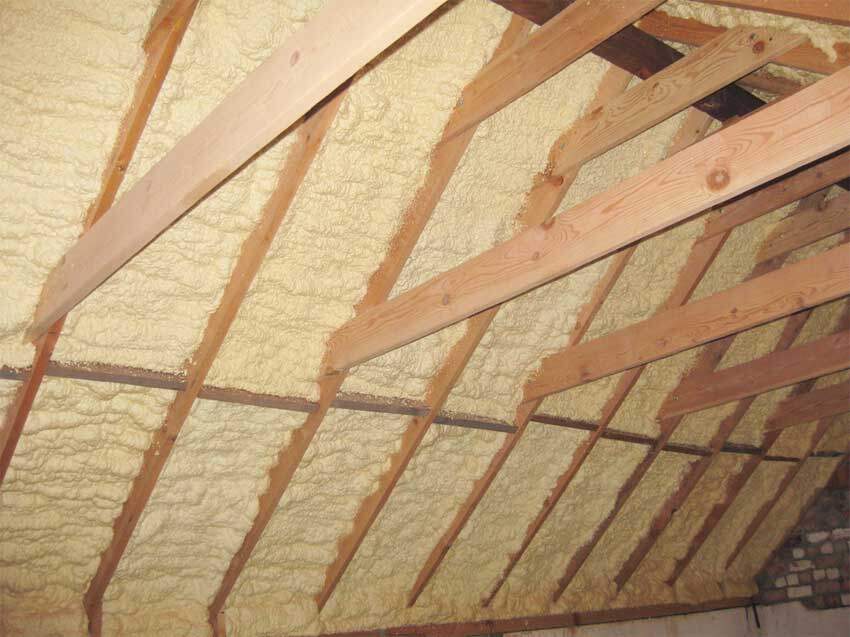
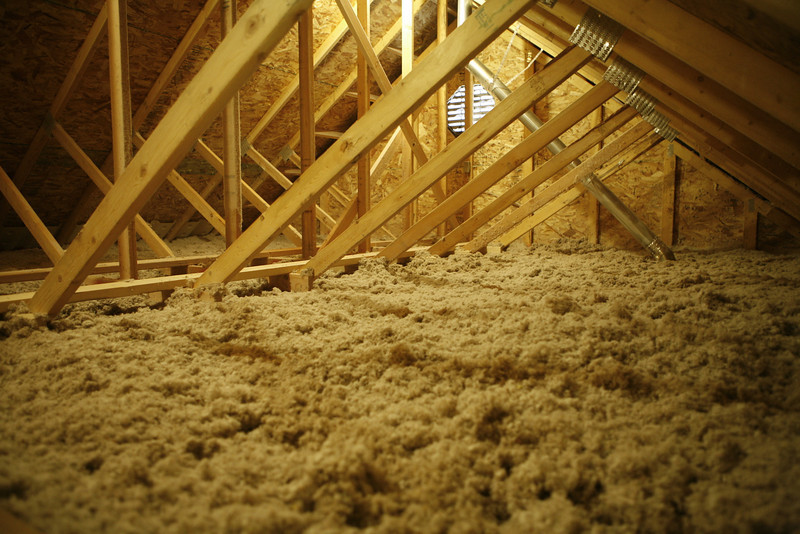
There are several types of insulation materials available, each with its own advantages. The most common options include fiberglass batts, blown-in cellulose, and spray foam. The best choice for your attic depends on your climate, budget, and existing structure.
For a thorough comparison, take a look at the guide on the difference between fiberglass and spray foam insulation. It covers the pros and cons of each material, helping you make an informed decision.
Signs Your Attic Needs Better Insulation
Recognizing when your attic needs attention is key to maintaining efficiency and comfort. Some common indicators include:
- Uneven temperatures between rooms or floors
- High energy bills despite moderate usage
- Drafts or cold spots, especially on the upper floor
- Ice dams forming on the roof in winter
- Visible gaps or thinning in existing insulation
If you notice any of these issues, it may be time to assess your attic’s insulation and consider upgrades.
Ventilation and Its Role in Attic Performance
While insulation is essential, proper attic ventilation is also critical for maintaining a healthy home environment. Good airflow prevents moisture buildup, reduces the risk of mold, and helps your insulation perform at its best.
For practical tips on improving airflow, explore the resource on how to ventilate an attic. It offers step-by-step advice for homeowners looking to optimize both insulation and ventilation.
Long-Term Benefits of Investing in Attic Insulation
Upgrading or adding insulation to your attic is an investment that pays off in multiple ways. Not only does it lower your energy bills and enhance comfort, but it also increases your property’s value and extends the life of your roof and HVAC system. Over time, these benefits add up, making insulation one of the most cost-effective improvements you can make to your home.
Frequently Asked Questions
How often should attic insulation be replaced or upgraded?
Most insulation materials can last 15–30 years, but factors like moisture, pest infestations, and settling can reduce their effectiveness sooner. It’s wise to inspect your attic every few years and upgrade if you notice thinning, dampness, or damage.
Can adding insulation help with noise reduction?
Yes, insulation in the attic can help dampen outdoor sounds and reduce noise transfer between floors. While it’s not a complete soundproofing solution, it does contribute to a quieter indoor environment.
Is it possible to insulate an attic yourself, or should you hire a professional?
Some types of insulation, like fiberglass batts, can be installed by experienced DIYers. However, for blown-in or spray foam insulation, or if your attic has complex issues, hiring a professional ensures proper installation and maximum efficiency.


