


Choosing the right material for your attic can make a significant difference in your home’s comfort, energy efficiency, and even your utility bills. With so many types of attic insulation available, it can be confusing to know which option best fits your needs. This guide breaks down the most common insulation materials, their advantages, and what to consider before making a decision.
Understanding the various options helps homeowners improve indoor temperature control, reduce heating and cooling costs, and extend the lifespan of their HVAC systems. Whether you’re planning a DIY project or hiring a professional, learning about attic insulation will help you make an informed choice.
If you’re looking for more information on attic upgrades or want to connect with local insulation experts, be sure to explore trusted resources and consult with professionals in your area.
Understanding the Main Categories of Attic Insulation
There are several types of attic insulation used in homes today, each with unique properties and installation methods. The most popular categories include batt and roll, loose-fill (blown-in), spray foam, and rigid foam board. Let’s explore each one in detail.
Batt and Roll Insulation: Fiberglass and Mineral Wool
Batt and roll insulation, also called blanket insulation, is one of the most common choices for attics. It typically comes in pre-cut panels (batts) or long rolls, making it easy to install between attic joists and rafters.
- Fiberglass batts: Made from fine glass fibers, this material is lightweight, affordable, and widely available. It’s non-combustible and resists moisture damage, but it must be installed carefully to avoid gaps and compression.
- Mineral wool batts: Also known as rock wool or slag wool, this option offers slightly better fire resistance and soundproofing than fiberglass. It’s denser and can be a good choice for areas needing extra thermal or acoustic insulation.
Batt and roll insulation is best suited for attics with standard joist spacing and minimal obstructions. It’s a popular DIY option, but proper installation is crucial for maximum effectiveness.
Loose-Fill and Blown-In Insulation: Cellulose, Fiberglass, and Mineral Wool
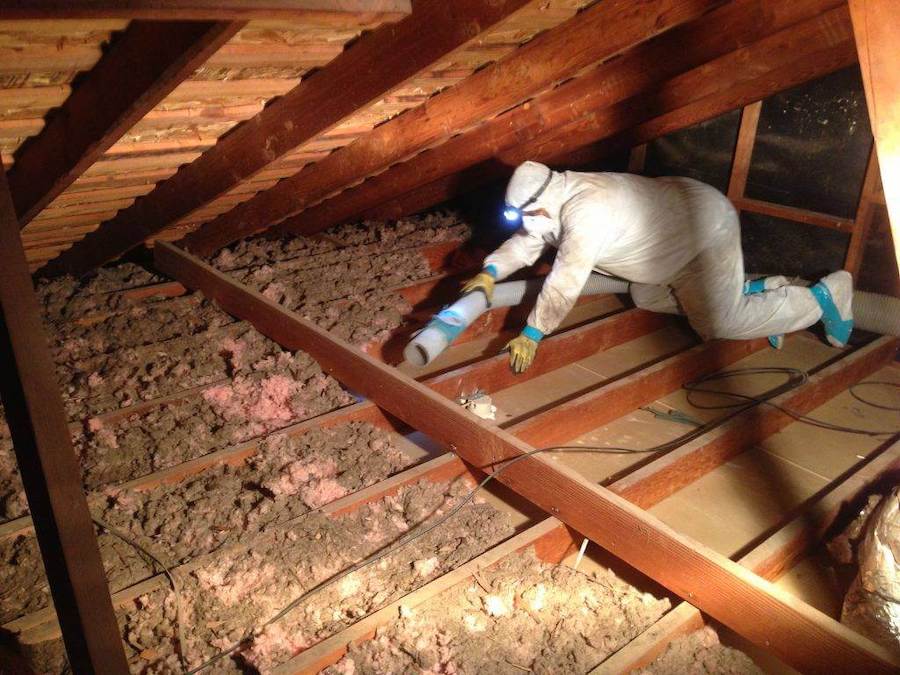
Loose-fill insulation, often called blown-in insulation, consists of small particles that are blown or poured into attic spaces using special equipment. This method is ideal for attics with irregular layouts, lots of obstructions, or existing insulation that needs topping up.
- Cellulose: Made from recycled paper treated with fire retardants, cellulose is eco-friendly and offers excellent coverage. It’s effective at filling gaps and reducing air leaks.
- Blown-in fiberglass: Similar to batt fiberglass but in loose form, this material is lightweight and resists settling over time. It’s non-combustible and suitable for most climates.
- Loose-fill mineral wool: Less common but available, this option provides good fire resistance and soundproofing.
Blown-in insulation is typically installed by professionals, but some DIY kits are available. It’s a great way to boost attic R-value and improve energy efficiency.
Spray Foam Insulation: Open-Cell and Closed-Cell
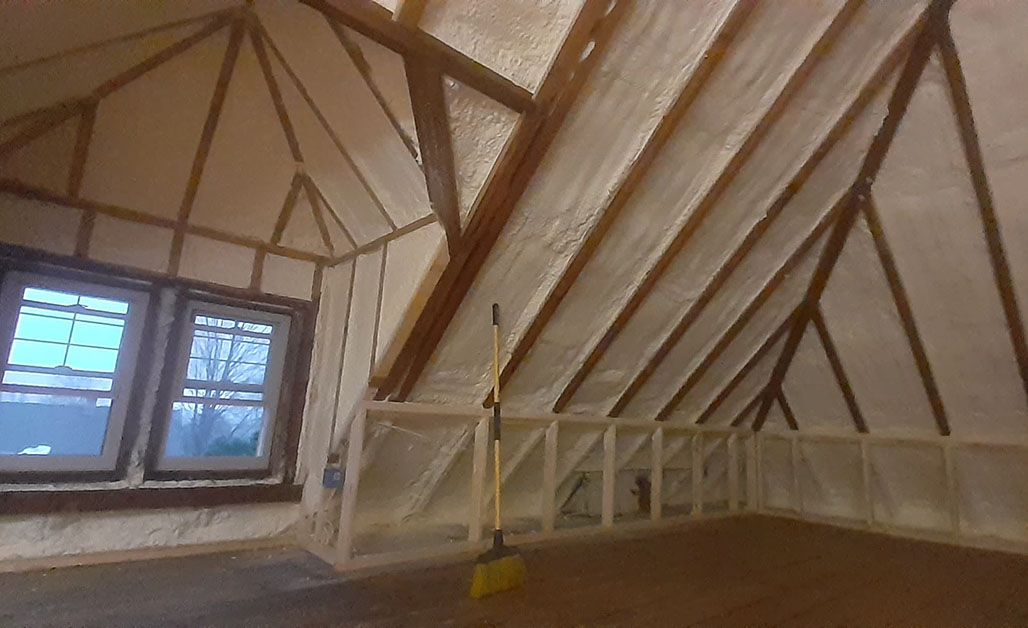
Spray foam is a modern insulation material that expands on application, sealing gaps and cracks for superior air sealing. There are two main types:
- Open-cell spray foam: Lightweight and flexible, this foam provides good thermal resistance and sound absorption. It’s vapor-permeable, which can be a benefit or drawback depending on your climate.
- Closed-cell spray foam: Denser and more rigid, this type offers a higher R-value per inch and acts as a moisture barrier. It’s often used in areas prone to moisture or where maximum insulation is needed in a thin layer.
Spray foam is more expensive than traditional options but can dramatically improve energy efficiency and air sealing. Professional installation is recommended due to the chemicals involved and the need for even application.
Rigid Foam Board Insulation for Attics
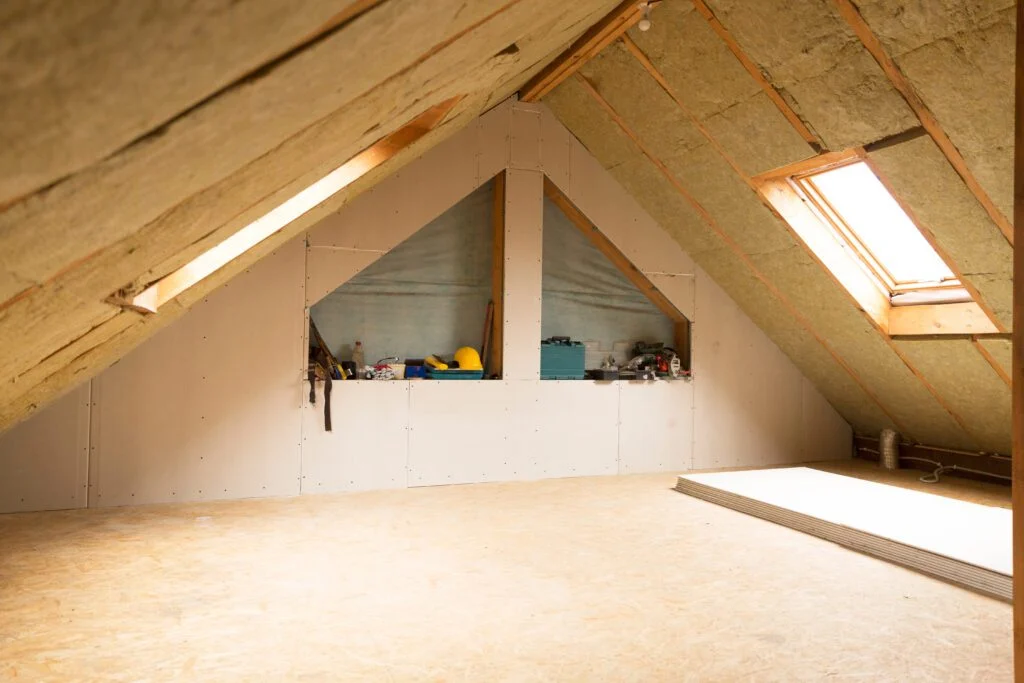
Rigid foam boards are panels made from materials like polystyrene, polyisocyanurate, or polyurethane. They offer a high insulating value per inch and are often used in combination with other insulation types for added performance.
- Polystyrene (EPS or XPS): Available in expanded (EPS) or extruded (XPS) forms, these boards are lightweight and moisture-resistant.
- Polyisocyanurate: Known for its high R-value, this material is often used in energy-efficient construction.
- Polyurethane: Offers excellent insulating properties and is sometimes used in spray form as well.
Foam board insulation is commonly installed on attic access doors, knee walls, or as a continuous layer over rafters. It’s less common for full attic floors due to cost and installation complexity.
Factors to Consider When Selecting Attic Insulation
Deciding which material to use involves more than just comparing R-values. Here are some key considerations:
- Climate: Colder regions require higher R-values, while warmer climates may prioritize air sealing and moisture control.
- Budget: Fiberglass and cellulose are generally more affordable, while spray foam and rigid boards cost more upfront but may offer greater savings over time.
- Existing insulation: If your attic already has some insulation, blown-in or spray foam may be best for topping up or sealing gaps.
- DIY vs. professional installation: Batts and rolls are suitable for DIYers, while blown-in and spray foam usually require specialized equipment and expertise.
- Moisture and air leaks: In areas prone to humidity or air infiltration, closed-cell spray foam or rigid foam boards can provide added protection.
Evaluating these factors will help you choose the most effective and cost-efficient solution for your home.
Benefits of Proper Attic Insulation
Investing in the right insulation brings several advantages:
- Lower energy bills: Improved thermal resistance means your heating and cooling systems work less, saving money year-round.
- Consistent indoor temperatures: Proper insulation reduces hot and cold spots, making your home more comfortable.
- Reduced noise: Some materials, like mineral wool and spray foam, offer soundproofing benefits.
- Protection against moisture and mold: Certain insulation types help control humidity and prevent condensation.
- Increased home value: Energy-efficient upgrades are attractive to buyers and can boost resale value.
Frequently Asked Questions
What is the most cost-effective attic insulation?
For most homeowners, fiberglass batts and blown-in cellulose offer the best balance of affordability and performance. Both are widely available, easy to install, and provide good thermal resistance. However, the most cost-effective option depends on your attic’s layout, climate, and whether you’re installing new insulation or adding to existing material.
How much insulation do I need in my attic?
The recommended amount varies by climate zone. In general, attics should have an R-value between R-38 and R-60. Check local building codes or consult with a professional to determine the right thickness and material for your area. Adding more insulation can improve energy efficiency, especially in older homes.
Can I install attic insulation myself?
Many homeowners choose to install batt and roll insulation as a DIY project, as it requires minimal tools and experience. Blown-in insulation and spray foam, on the other hand, often require specialized equipment and are best left to professionals. Always wear protective gear and follow manufacturer instructions for safety.


