


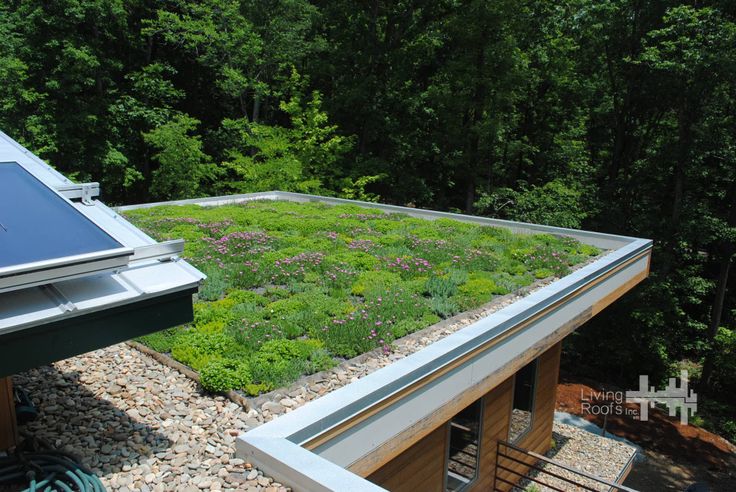
As urban areas continue to expand, managing stormwater effectively has become a pressing challenge. One innovative solution gaining traction is the adoption of green roofs. These eco-friendly installations not only help in reducing runoff but also offer a range of environmental benefits. Moreover, property owners can avail themselves of stormwater credits for installing green roofs, making it a financially viable option.
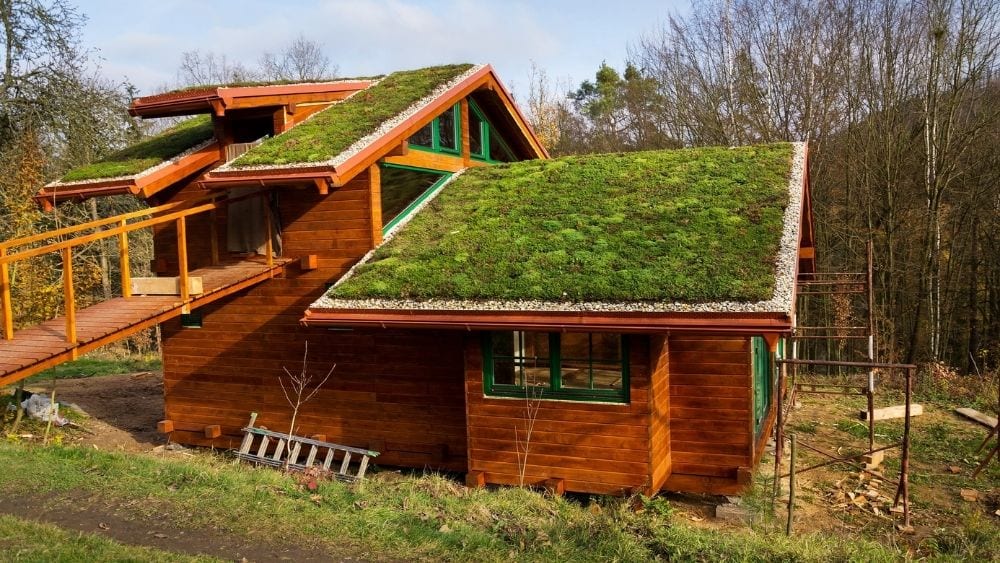
What is a Green Roof?
A green roof is a rooftop covered with vegetation and a growing medium, planted over a waterproofing membrane. It may also include additional layers such as root barriers and drainage systems. Green roofs can range from extensive systems with minimal vegetation to intensive systems that resemble traditional gardens.
Understanding Stormwater Credits
Stormwater credits are incentives offered by municipalities to property owners who implement systems that reduce stormwater runoff. By installing a green roof, property owners can reduce the amount of stormwater that flows into municipal systems, thus qualifying for these credits.
How Do Green Roofs Help?
Green roofs absorb rainwater, which is then used by plants or evaporates into the atmosphere. This process not only reduces the volume of stormwater but also delays its entry into drainage systems, helping to prevent flooding and erosion.
Financial Advantages of Stormwater Credits
By investing in a green roof, property owners can benefit from reduced utility fees, tax incentives, and increased property value. The credits help offset the initial installation costs, making it a more attractive option.
Environmental Benefits of Green Roofs
Beyond stormwater management, green roofs contribute to biodiversity, improve air quality, and help mitigate the urban heat island effect. They provide habitats for various species and contribute to the ecological health of urban areas.
Choosing the Right Green Roof System
When considering a green roof, it’s crucial to select a system that fits your building’s structure and climate. You can explore various options, such as modular or built-in systems, to determine which best suits your needs.
Steps to Implementing a Green Roof
1. Assess Structural Integrity
Before installation, it’s vital to ensure that your building can support the additional weight of a green roof. Consulting with a structural engineer can provide insights into necessary reinforcements.
2. Design and Planning
Work with a professional to design a green roof that meets your aesthetic and functional goals. Factors like plant selection, irrigation, and maintenance should be considered during the planning phase.
3. Installation Process
Once the design is finalized, the installation process involves layering a waterproof membrane, drainage, root barriers, growing medium, and plants. Each layer plays a crucial role in the roof’s performance.
Maintaining Your Green Roof
Regular maintenance is essential to ensure the long-term success of a green roof. This includes watering, weeding, and monitoring plant health. Some systems may also require seasonal adjustments.

FAQs
1. How do stormwater credits work?
Stormwater credits reduce utility fees for property owners who implement systems like green roofs that mitigate stormwater runoff.
2. Are green roofs expensive to maintain?
While initial costs can be high, maintenance costs vary based on the system type and plant selection. Over time, savings from stormwater credits and energy efficiency can offset these costs.
3. Can any building support a green roof?
Not all buildings are suitable for green roofs. It’s essential to assess the structural capacity and consult with experts before installation.
For more information on the advantages and disadvantages of green roofs, you can visit this external resource.
Embracing green roofs and stormwater credits is a step towards sustainable urban development, benefiting both the environment and property owners.
This article contains affiliate links. We may earn a commission at no extra cost to you.


