As more homeowners and businesses look to harness solar energy, understanding solar roofing weight considerations becomes essential. The structural impact of adding solar panels or integrated solar shingles to a roof is a key factor in any installation project. Weight affects not only the safety and longevity of your roof but also determines whether your current structure can support modern solar solutions without costly upgrades.
This guide offers a practical overview of how solar products interact with roofing systems, what factors influence their weight, and how to ensure your property is ready for a solar upgrade. If you’re weighing the benefits and drawbacks of solar roofs, you may also want to review the solar roofing pros and cons for a broader perspective.
Understanding the Impact of Solar Roof Weight
One of the first questions property owners ask is how much additional load solar panels or solar shingles will add to their roof. The answer depends on several variables, including the type of solar technology, mounting system, and the existing roofing material.
Traditional solar panels typically add between 2 to 4 pounds per square foot. In contrast, solar shingles or tiles, which replace standard roofing materials, may add less net weight but require careful assessment of the underlying structure. For a detailed look at how these systems compare, see our article on solar roof vs traditional solar panels.
Key Factors Affecting Solar Roofing Weight
Several elements influence the total load solar systems place on your roof. Understanding these factors can help you make informed decisions and avoid unexpected costs or complications.
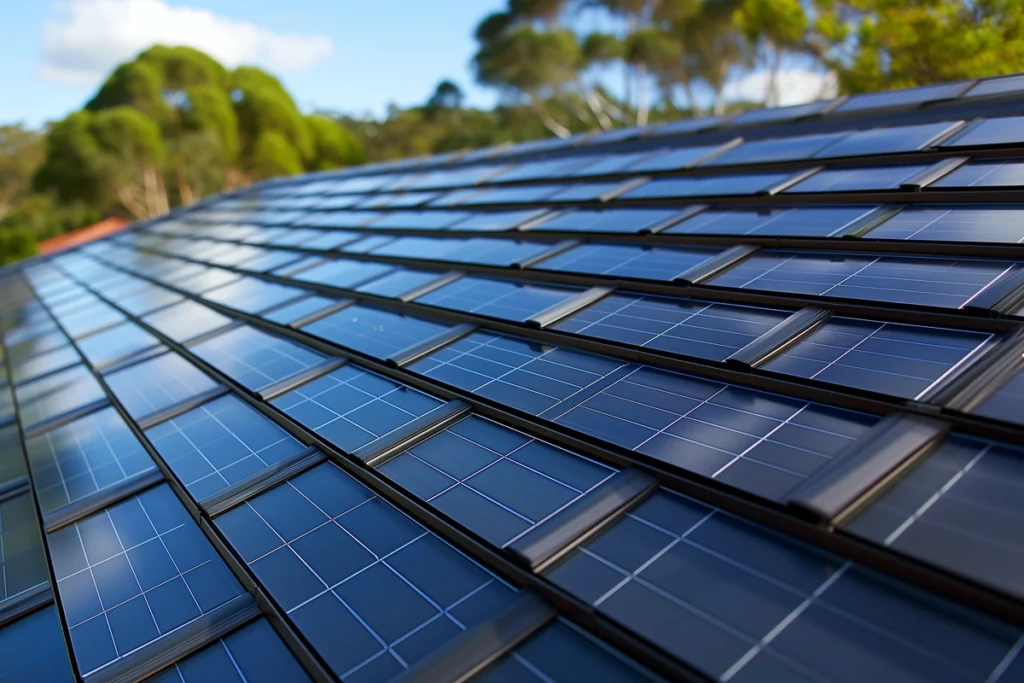
- Type of Solar Product: Standard photovoltaic panels, solar shingles, and solar tiles all have different weights and installation requirements. Solar panels are mounted on top of the existing roof, while solar shingles integrate directly into the roofing system.
- Mounting Hardware: Racking systems and mounting brackets contribute to the overall load. High-quality, lightweight mounting systems can help minimize additional weight.
- Roofing Material: Asphalt shingles, metal, tile, and wood shake roofs each have unique weight tolerances. Heavier roofing materials may already be close to the structural limit.
- Roof Age and Condition: Older roofs or those in poor condition may not safely support extra weight without reinforcement.
- Local Building Codes: Regulations often specify maximum allowable loads for residential and commercial roofs. Always check with local authorities before proceeding.
Assessing Your Roof’s Structural Capacity
Before installing any solar system, it’s crucial to determine whether your roof can handle the added weight. A professional structural assessment will evaluate:
- The current load-bearing capacity of your roof framing and decking.
- The age and condition of the roof and supporting structures.
- Any previous repairs or modifications that could affect strength.
If your roof is nearing the end of its lifespan or has existing damage, reinforcing or replacing parts of the structure may be necessary. This step is especially important for older homes or buildings with unconventional framing.
Comparing Solar Panel and Solar Shingle Weights
The choice between traditional panels and integrated solar roofing products can significantly affect the total weight added to your roof. Here’s a quick comparison:
| Solar Product | Typical Weight (per sq. ft.) | Installation Method |
|---|---|---|
| Standard Solar Panels | 2–4 lbs | Mounted above existing roof |
| Solar Shingles/Tiles | 3–5 lbs | Integrated into roof surface |
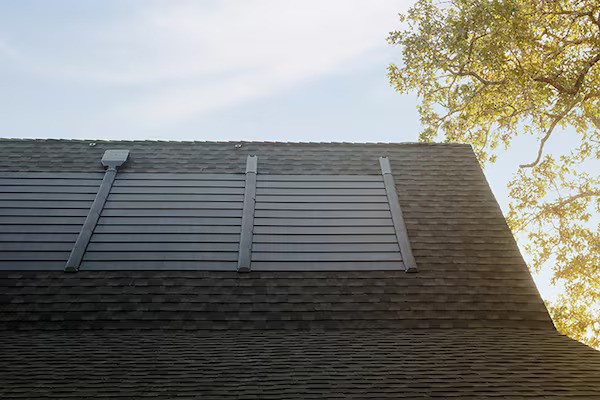
While solar shingles may seem heavier, they often replace standard roofing materials, resulting in a smaller net increase. For more on the benefits of these systems, check out our overview of the advantages of solar roof tiles.
Potential Risks of Ignoring Roof Load Limits
Overlooking solar roofing weight considerations can lead to serious issues. Exceeding your roof’s load capacity may cause:
- Structural damage or sagging over time.
- Water leaks due to compromised roofing materials.
- Voided warranties on both roofing and solar products.
- Safety hazards for occupants and property.
To avoid these problems, always work with certified installers and consult a structural engineer when planning a solar project.
Optimizing Your Roof for Solar Installation
If your roof needs reinforcement, several solutions are available. Common upgrades include:
- Adding or strengthening rafters and trusses.
- Replacing old decking with stronger materials.
- Using lightweight solar products and mounting systems.
Proactive upgrades not only ensure safety but can also extend the lifespan of both your roof and solar investment. For a balanced view, consider reading about the disadvantages of solar roofing before making a final decision.
Additional Resources and Professional Guidance
For more in-depth information, the advantages of solar roof tiles article provides a comprehensive look at the benefits and technical aspects of integrated solar systems. Always consult with local professionals who understand regional building codes and climate factors to ensure your installation is both safe and efficient.
FAQ: Solar Roof Load and Installation
How much weight do solar panels add to a typical roof?
Most standard solar panels add between 2 and 4 pounds per square foot, including mounting hardware. This is generally within the capacity of most modern roofs, but always confirm with a structural assessment.
Can older homes support solar roofing systems?
Many older homes can support solar installations, but they may require reinforcement or repairs first. A professional evaluation is necessary to determine if upgrades are needed to safely handle the additional load.
Are solar shingles heavier than traditional roofing materials?
Solar shingles are typically comparable in weight to premium roofing materials like slate or tile. Because they replace rather than overlay existing materials, the net increase in weight is often minimal, but always check your roof’s specifications.