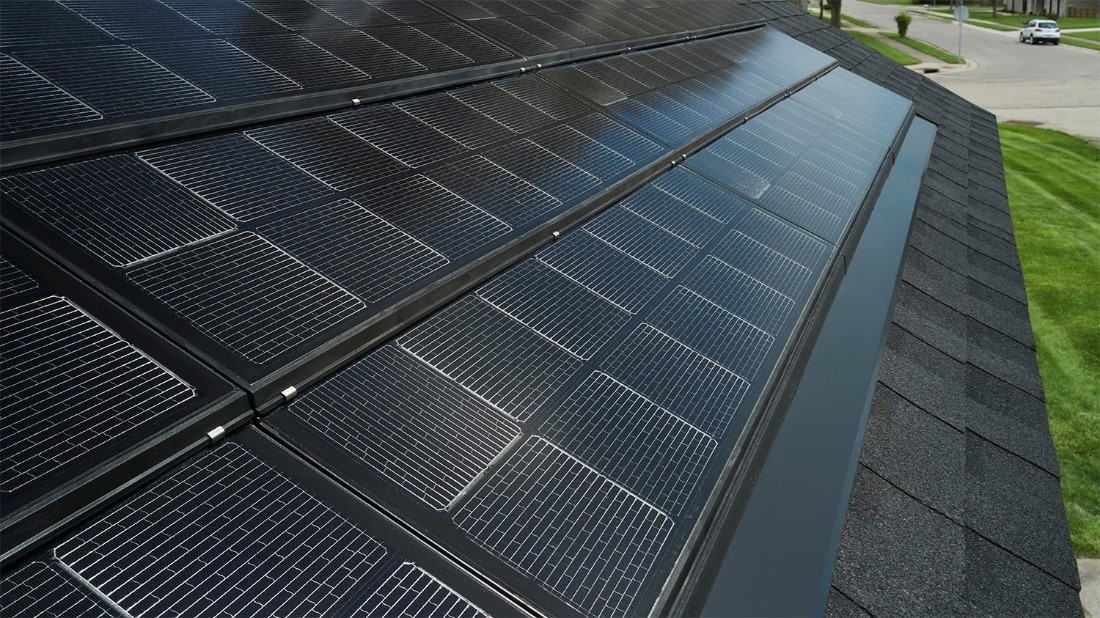
Solar roofing systems are an innovative way to harness renewable energy while maintaining the aesthetics and protection of a traditional roof. However, like any complex home upgrade, solar roofs can occasionally present issues that require attention. This solar roofing troubleshooting guide is designed to help homeowners, property managers, and installers identify, diagnose, and resolve common problems with solar shingles and integrated photovoltaic (PV) roofing solutions.
Whether you’re experiencing a sudden drop in energy output, noticing leaks, or simply want to ensure your system is running optimally, understanding the basics of troubleshooting is essential. Early intervention can prevent minor issues from escalating into costly repairs. For those considering installation, it’s also wise to review related topics such as solar roofing weight considerations to ensure your structure is ready for a PV upgrade.
Recognizing Common Solar Roof Issues
Integrated PV roofing can encounter a range of issues, from electrical faults to physical damage. Recognizing the symptoms early is key to effective troubleshooting. Here are some of the most frequently reported concerns:
- Reduced energy output compared to previous months or similar systems nearby
- Water leaks or moisture intrusion around solar shingles
- Visible cracks or discoloration on PV tiles
- Loose or missing shingles after storms
- Inverter warning lights or error codes
- Unexpected shutdowns or intermittent operation
Each of these symptoms can have multiple causes. The following sections break down the most likely culprits and offer step-by-step guidance for homeowners and professionals alike.
Diagnosing Power Output Problems
A noticeable drop in your solar roof’s energy production is often the first sign that something isn’t right. To get to the root of the problem, follow these steps:
- Check your monitoring system: Most modern solar roofs include an app or web portal that tracks real-time and historical performance. Compare your current output to previous months, accounting for seasonal changes.
- Inspect for shading: New tree growth, debris, or even a neighbor’s construction can cast shadows that reduce efficiency. Remove any leaves, branches, or obstructions from the roof surface.
- Look for visible damage: Cracked or discolored shingles may indicate impact damage or manufacturing defects. Damaged tiles should be replaced promptly to restore performance.
- Review inverter status: Inverters convert DC power from your roof into usable AC electricity. If you see error codes or warning lights, consult your inverter’s manual or consider referencing solar roofing inverters explained for more details.
- Consider professional diagnostics: If basic checks don’t reveal the cause, a licensed solar technician can perform electrical tests to pinpoint faults in wiring, connectors, or microinverters.

Addressing Leaks and Moisture Intrusion
Water leaks are a serious concern for any roof, but especially for solar-integrated systems where electrical components are present. If you notice damp spots, drips, or mold growth indoors, take these steps:
- Pinpoint the source: Trace water stains back to their origin. Leaks often occur at roof penetrations, flashing, or where solar shingles meet traditional roofing materials.
- Inspect flashing and seals: Damaged or improperly installed flashing can allow water to seep beneath the solar tiles. Check for gaps, corrosion, or missing sealant.
- Review manufacturer guidelines: Some solar shingle products have specific installation requirements. For more on compatibility, see solar roofing on tile roofs.
- Contact your installer: If your system is under warranty, report leaks immediately. Attempting repairs yourself may void coverage.
Preventative maintenance, such as cleaning gutters and removing debris, can also reduce the risk of moisture problems.
Physical Damage and Environmental Wear
Solar shingles are designed to withstand the elements, but severe weather, falling branches, or hail can cause physical damage. Here’s how to assess and address these issues:
- Visually inspect the roof after storms: Look for cracked, chipped, or missing tiles. Even minor damage can impact performance and allow water intrusion.
- Check mounting hardware: Loose fasteners or brackets can cause rattling noises or allow shingles to shift.
- Schedule repairs promptly: Damaged components should be replaced by a qualified technician to maintain system integrity and warranty coverage.
- Consider the pros and cons of different solar roofing materials: For a balanced look at material durability, see this overview of solar shingle advantages and disadvantages.
Electrical and Inverter Troubleshooting Tips
Electrical issues can be intimidating, but many are straightforward to diagnose with the right approach. If your monitoring system or inverter displays errors:
- Reset the inverter: Power cycling the inverter can clear minor faults. Always follow manufacturer instructions and safety protocols.
- Check for tripped breakers: Inspect your home’s electrical panel for any tripped breakers related to the solar system.
- Inspect wiring and connectors: Look for loose, corroded, or disconnected wires. Only attempt this if you are trained and the system is powered down.
- Consult a licensed electrician: For persistent or complex faults, professional help is recommended to avoid safety risks.
Understanding inverter basics can help you communicate more effectively with service professionals. For a deeper dive, explore solar roofing inverters explained.
Preventative Maintenance for Solar Roofs
Regular maintenance is the best way to avoid many common issues. Here are some practical tips:
- Clean solar shingles with a soft brush or recommended cleaning tool to remove dust and debris
- Inspect for animal nests or droppings, which can damage wiring and panels
- Check for loose shingles or mounting hardware after storms
- Keep trees trimmed to prevent shading and physical damage
- Schedule annual professional inspections to ensure optimal performance
Maintenance not only extends the lifespan of your system but also helps maintain warranty coverage and energy savings.
When to Call a Professional
While many minor issues can be addressed by homeowners, certain situations require expert attention. Contact a qualified installer or electrician if you experience:
- Persistent leaks or moisture near electrical components
- Major drops in energy production with no obvious cause
- Repeated inverter faults or electrical warnings
- Physical damage that exposes wiring or underlayment
- Unusual noises, burning smells, or signs of overheating
Timely professional intervention can prevent further damage and ensure your solar roof continues to operate safely and efficiently. If you’re considering upgrades or financing, you may also want to review solar roofing financing options for guidance.
FAQ: Solar Roof Troubleshooting
What should I do if my solar roof stops producing power?
First, check your monitoring system for error messages or alerts. Inspect for visible damage, shading, or debris. If you cannot identify the cause, reset your inverter and check your electrical panel for tripped breakers. Persistent issues should be evaluated by a licensed solar technician.
Can I repair a leaking solar roof myself?
Minor maintenance, such as clearing debris or visually inspecting flashing, is safe for most homeowners. However, repairs involving electrical components or roof penetrations should be left to professionals to avoid voiding warranties or risking injury.
How often should I clean and inspect my solar shingles?
It’s recommended to visually inspect your solar roof at least twice a year and after major storms. Cleaning should be done as needed, especially if you notice a drop in energy output. Use a soft brush or a tool designed for solar panels to avoid scratching the surface.
Are all solar roofing systems prone to the same issues?
While many troubleshooting steps are similar, different brands and installation types may have unique vulnerabilities. Always consult your manufacturer’s guidelines and consider reading about solar roofing building codes for compliance and best practices.