As more homeowners and businesses look to reduce energy costs and environmental impact, solar roofing has become an increasingly popular solution. Understanding how different solar roofing options compare in terms of cost, efficiency, and long-term value is essential for making an informed investment. This guide provides a comprehensive overview of the factors that influence pricing, the main types of solar roofing systems, and how to evaluate the true value of your solar roofing project.
Whether you are considering traditional solar panels, solar shingles, or integrated solar tiles, comparing prices and features can help you choose the best fit for your property and budget. For those seeking more detailed advice on choosing a contractor, the solar roofing contractor selection guide offers additional insights.
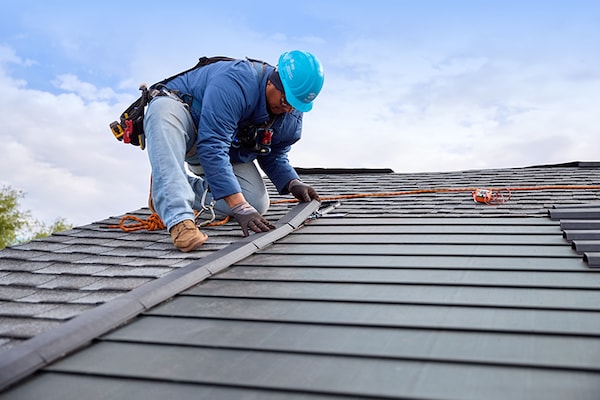
Key Factors Affecting Solar Roofing Costs
The total price of a solar roofing installation depends on several variables. Understanding these factors is crucial when conducting a solar roofing price comparison:
- System Type: Traditional solar panels, solar shingles, and integrated solar tiles each come with distinct price points and installation requirements.
- Roof Size and Complexity: Larger or more complex roofs require more materials and labor, increasing overall costs.
- Material Quality: Premium materials and advanced technologies may cost more upfront but often provide better durability and efficiency.
- Installation Labor: Labor rates vary by region and installer experience. Specialized systems may require higher-skilled labor.
- Permitting and Inspection Fees: Local regulations can add to the total project cost.
- Incentives and Rebates: Federal, state, and local incentives can significantly reduce net costs.
Comparing Popular Solar Roofing Options
There are three main types of solar roofing systems available today. Each offers unique benefits and price ranges, making it important to compare them side by side.
Traditional Solar Panels
Mounted on top of existing roofing, traditional solar panels are the most common and often the most cost-effective option. Installation is generally straightforward, and the technology is well-established.
- Average Cost: $2.50–$4.00 per watt (installed)
- Pros: High efficiency, proven reliability, wide installer availability
- Cons: Less aesthetically integrated, may not suit all roof types
Solar Shingles
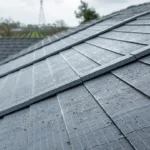
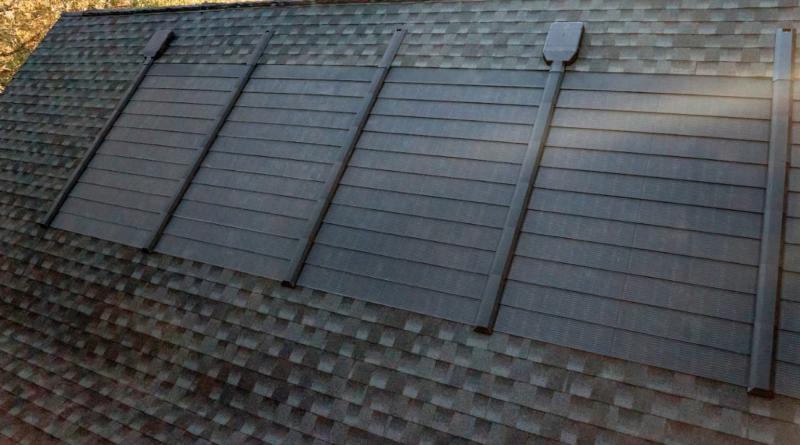
Solar shingles blend in with traditional roofing materials, offering a more seamless look. They serve as both the roof covering and the energy generator.
- Average Cost: $4.00–$7.00 per watt (installed)
- Pros: Attractive appearance, dual-purpose functionality
- Cons: Higher upfront cost, slightly lower efficiency than panels

Integrated Solar Tiles
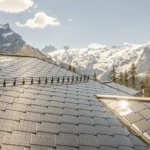
These systems replace traditional roofing materials entirely, creating a sleek, modern look. Integrated solar tiles are often custom-designed for each project.
- Average Cost: $6.00–$11.00 per watt (installed)
- Pros: Highest aesthetic value, full roof replacement, cutting-edge technology
- Cons: Highest upfront investment, limited installer availability
How to Evaluate Value Beyond the Initial Price
When comparing solar roofing options, it’s important to look beyond the sticker price. Consider the following aspects to determine the true value of your investment:
- Energy Output: Higher efficiency systems may cost more upfront but can save more over time.
- Durability and Warranty: Longer-lasting systems with robust warranties offer better long-term value.
- Maintenance Requirements: Some systems require more upkeep. For tips on avoiding common pitfalls, see the solar roofing installation mistakes to avoid guide.
- Insurance and Coverage: Check how your choice affects your homeowner’s insurance. The solar roofing insurance coverage article provides more details.
- Resale Value: Integrated and aesthetically pleasing systems can boost property value.
Regional Price Differences and Incentives
The cost of solar roofing can vary widely depending on location. Factors such as local labor rates, permitting fees, and available incentives all play a role. Many states and municipalities offer rebates, tax credits, or other financial incentives that can significantly reduce your net investment.
For example, the federal solar tax credit (ITC) allows you to deduct a percentage of your installation costs from your federal taxes. Some regions also offer additional rebates or performance-based incentives. Be sure to research what’s available in your area before making a decision.
Comparing Off-Grid and Hybrid Solar Roofing Systems
In addition to grid-tied systems, homeowners may consider off grid solar roofing systems or hybrid solar roofing systems. Off-grid setups require battery storage and can increase costs but provide energy independence. Hybrid systems combine solar with other energy sources for greater flexibility.
Practical Tips for Your Solar Roofing Price Comparison
- Request multiple quotes from reputable installers and compare itemized costs.
- Ask about available warranties, maintenance plans, and service coverage.
- Review the efficiency ratings and expected lifespan of each system.
- Consider how your roof’s orientation and shading may impact system performance.
- Factor in potential savings from incentives and long-term energy production.
- For additional advice, consult resources like the solar roofing contractor selection guide.
Environmental and Energy Efficiency Considerations
Besides cost, many homeowners are interested in the environmental benefits of solar roofing. Choosing energy-efficient materials and designs can further reduce your carbon footprint. For example, pairing solar roofing with cool roof technology can improve energy savings by reflecting more sunlight and absorbing less heat.
Frequently Asked Questions
What is the average payback period for a solar roof?
The payback period typically ranges from 7 to 12 years, depending on system cost, energy usage, local electricity rates, and available incentives. Higher efficiency systems and generous rebates can shorten this timeframe.
Are solar shingles as efficient as traditional solar panels?
Solar shingles generally have slightly lower efficiency than traditional panels, but they offer a more integrated appearance. The difference in efficiency is narrowing as technology improves.
Can I install solar roofing on any type of roof?
Most solar systems can be adapted to a variety of roof types, but some materials and roof shapes may require special mounting solutions. It’s important to consult with a qualified installer to assess compatibility.
Do I need to replace my entire roof to install solar tiles?
Integrated solar tiles require a full roof replacement, while solar panels and shingles can often be installed on existing roofs in good condition.
How do maintenance needs compare between different solar roofing systems?
Traditional solar panels are generally low maintenance. Solar shingles and tiles may require more frequent inspections to ensure optimal performance, especially if they serve as both the roofing material and energy generator.