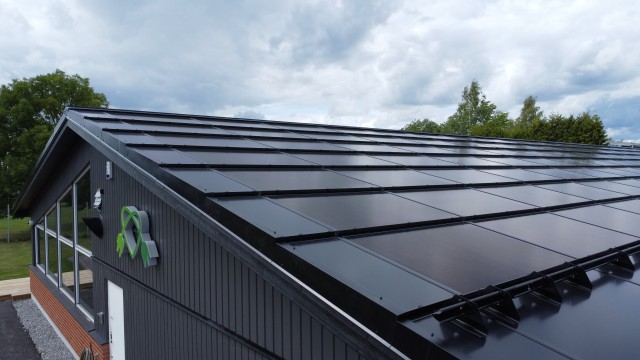
For homeowners considering a switch to solar, understanding the solar roofing payback period is essential. This term refers to the time it takes for the savings generated by your solar roof to equal the initial investment cost. Knowing how long it will take to recoup your expenses can help you make an informed decision, plan your finances, and set realistic expectations for your energy savings.
The payback timeline for solar roofing depends on several factors, including installation costs, local energy rates, available incentives, and the amount of sunlight your home receives. By breaking down these elements, you can estimate how quickly your solar roof will start paying for itself. If you’re comparing different solar roofing systems, you may also want to review a comprehensive solar roofing price comparison to see how costs and returns stack up.
What Determines the Payback Timeline for Solar Roofs?
The period required to recover your investment in solar roofing is influenced by several key variables. Here are the main factors that affect how quickly your solar roof pays off:
- Installation Cost: The upfront price of solar roofing, including materials and labor, is the largest single factor. Premium solar shingles or integrated solar tiles often cost more than traditional panels, but may offer aesthetic or durability benefits.
- Energy Savings: The amount of electricity your system generates directly offsets your utility bills. Homes with higher energy usage or higher local electricity rates will typically see a faster return.
- Incentives and Rebates: Federal, state, and local incentives can significantly reduce your net investment. The federal solar tax credit, for example, allows you to deduct a percentage of your installation costs from your taxes.
- Sunlight Exposure: The more sunlight your roof receives, the more energy your system can produce. Factors like roof orientation, shading, and local climate all play a role.
- Maintenance and Longevity: Well-maintained solar roofs can last 25 years or more. Lower maintenance costs and longer lifespan contribute to a shorter payback period.
How to Calculate Your Solar Roofing Payback Period
Estimating the time it will take to break even on your solar investment involves a straightforward formula:
Payback Period = Net Installation Cost ÷ Annual Savings
Here’s how you can break this down:
- Determine Total Installation Cost: Add up the price of materials, labor, permits, and any additional fees.
- Subtract Incentives: Deduct any tax credits, rebates, or local incentives from your total cost to get your net investment.
- Estimate Annual Savings: Review your current electricity bills and estimate how much of your usage will be offset by your solar roof. Multiply the expected annual energy production by your local electricity rate.
- Divide Net Cost by Annual Savings: The result is the number of years it will take for your solar roof to pay for itself.
For example, if your net installation cost is $20,000 and you save $2,000 per year on electricity, your payback period would be 10 years.
Typical Payback Ranges for Solar Roofs
Most homeowners see a return on their solar roofing investment within 8 to 15 years. The actual timeframe varies based on your location, system size, and energy consumption. In regions with high electricity rates or generous incentives, the payback period can be even shorter.
Here’s a general overview of payback ranges:
| Region | Estimated Payback (Years) |
|---|---|
| California, Northeast US | 6–10 |
| Midwest, South US | 10–14 |
| Low Sunlight/Low Rates | 12–18 |
These figures are averages; your results may differ. To get a more precise estimate, consult with a local installer and request a custom analysis.
Ways to Shorten Your Solar Roofing Payback Period
If you want to see a faster return, consider these practical tips:
- Take advantage of all available incentives and rebates.
- Choose a high-efficiency solar roofing product that maximizes energy production.
- Reduce installation costs by comparing multiple quotes and negotiating with contractors. For more tips, see the solar roofing contractor selection guide.
- Maintain your system to ensure optimal performance and longevity.
- Monitor your energy usage and adjust habits to maximize your solar savings.
Comparing Solar Roofs and Traditional Solar Panels
The payback period for solar shingles or integrated solar roofs can differ from that of traditional solar panels. While solar roof tiles often have a higher upfront cost, they may offer aesthetic benefits and can replace both your roof and your energy system in one. For a detailed comparison, check out this guide to solar roof tiles vs. solar panels.
Common Mistakes That Can Delay Your Return on Investment
Avoiding certain pitfalls can help you achieve a faster payback. Some common mistakes include:
- Not researching local incentives or missing out on rebates.
- Choosing an installer without proper vetting. Review the questions to ask solar roofing contractors before hiring.
- Overestimating your system’s energy production due to shading or poor orientation.
- Neglecting regular maintenance, which can reduce system efficiency.
- Failing to check your insurance coverage. For more, see the solar roofing insurance coverage guide.
FAQ About Solar Roofing Payback and Savings
How accurate are payback period estimates?
Estimates are based on current energy rates, system performance, and available incentives. While they provide a useful guideline, actual results can vary due to changes in utility rates, weather, or system maintenance. It’s wise to use conservative numbers and review your installer’s projections.
Can I speed up my solar roof’s payback period?
Yes. Maximizing incentives, choosing efficient products, and maintaining your system will help you recover your investment faster. Monitoring your energy usage and making adjustments can also increase your annual savings.
What happens after I reach payback?
Once you’ve recouped your initial investment, the electricity your solar roof produces is essentially free (aside from minor maintenance costs). This means years of reduced or eliminated utility bills, plus the potential to increase your home’s value.
Are there risks to consider with solar roofing?
As with any major home upgrade, there are risks such as unexpected repair costs or changes in utility policies. Choosing a reputable installer and understanding your warranty and insurance options can help minimize these risks.
Conclusion
Understanding the solar roofing payback period is crucial for homeowners who want to make the most of their investment. By considering installation costs, energy savings, incentives, and maintenance, you can estimate how long it will take to break even and start enjoying free, renewable energy. With careful planning and the right choices, solar roofing can offer significant long-term financial and environmental benefits.