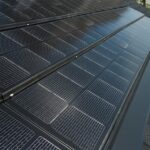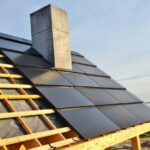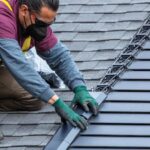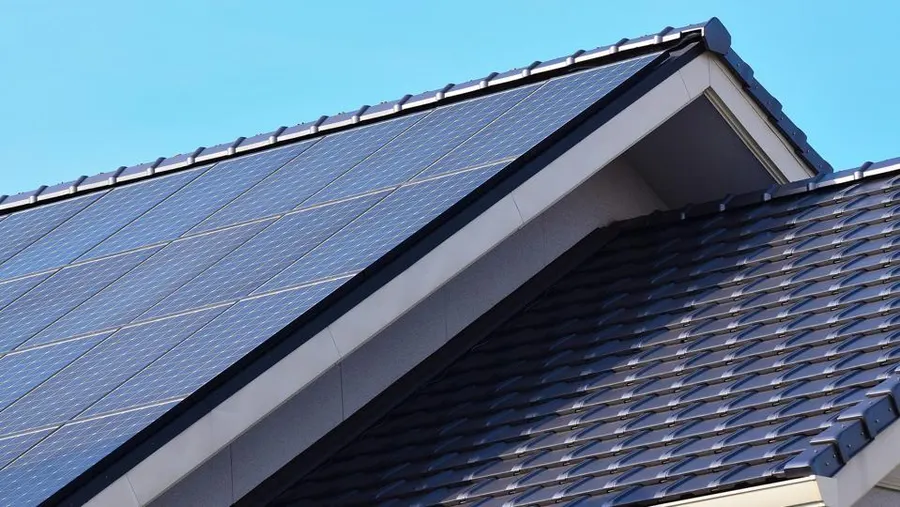
Keeping your solar roof in optimal condition is essential for maximizing its efficiency and lifespan. A well-structured solar roofing maintenance checklist helps homeowners ensure their investment continues to deliver clean energy and savings year after year. This guide covers the most important steps for inspecting, cleaning, and maintaining your solar-integrated roof, whether you have solar shingles or panels.
Regular upkeep not only prevents costly repairs but also keeps your system performing at its best. Understanding the unique needs of solar roofing, from debris removal to inverter checks, empowers you to spot issues early and maintain peak energy output. If you’re interested in the technical aspects of installation, you may also want to read about solar roofing weight considerations for a deeper understanding of structural requirements.
Why Routine Care Matters for Solar Roofs
Solar roofs are designed for durability, but like any roofing system, they require periodic attention. Dirt, leaves, and weather events can impact both the roof’s integrity and the solar components’ performance. Following a consistent solar roofing maintenance checklist helps you:
- Maintain high energy production by ensuring panels or shingles are clean and unobstructed
- Identify minor issues before they become expensive repairs
- Protect your manufacturer’s warranty by adhering to recommended care guidelines
- Extend the lifespan of both your roofing materials and solar technology
For homeowners with tile roofs, there are specific considerations to keep in mind. Explore more about solar roofing on tile roofs for tailored advice.
Essential Solar Roof Inspection Steps
A thorough inspection is the cornerstone of any solar roofing maintenance checklist. Most homeowners can perform basic visual checks, but some tasks may require a professional, especially if you notice damage or electrical issues.
- Visual Panel or Shingle Inspection: Look for cracks, chips, or discoloration on the solar surfaces. Damaged modules can reduce efficiency and may need replacement.
- Check for Debris: Remove leaves, twigs, and other debris that may accumulate on or around your solar roof. Blockages can shade cells and decrease output.
- Inspect Roof Flashing and Seals: Examine the areas where solar components meet the roof. Look for gaps, loose flashing, or deteriorated sealant that could allow water infiltration.
- Monitor for Animal Activity: Birds or rodents may nest under panels or shingles, potentially damaging wiring or mounting hardware.
- Assess Surrounding Trees: Trim branches that may overhang or shade your solar roof, as shading reduces energy production and can lead to debris buildup.
Cleaning and Care Tips for Solar Roofs
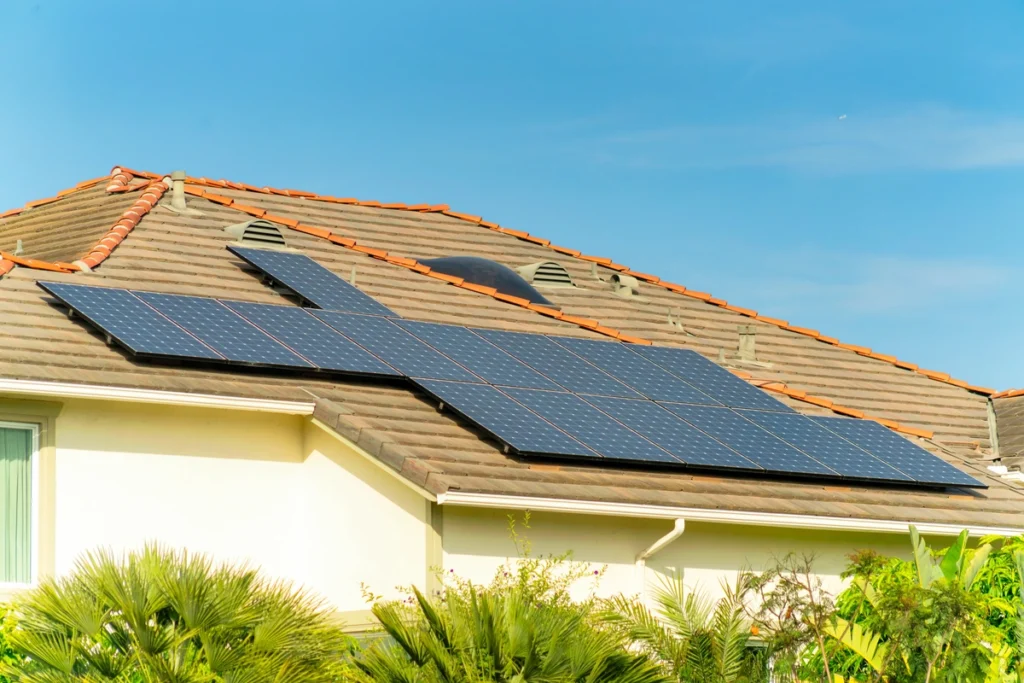
Keeping your solar roof clean is one of the simplest ways to maintain efficiency. Here are some practical tips for safe and effective cleaning:
- Use Soft Brushes or Cloths: Avoid abrasive materials that could scratch the surface. A soft brush with an extension pole is ideal for reaching higher areas.
- Rinse with Water: For most dirt and dust, a gentle rinse with a garden hose is sufficient. Avoid high-pressure washers, which can damage seals and modules.
- Clean Early or Late in the Day: Wash panels or shingles when they are cool to prevent rapid evaporation and streaking.
- Avoid Harsh Chemicals: Stick to water or mild soap if needed. Strong cleaners can degrade the protective coatings on solar surfaces.
- Check for Water Pooling: Ensure water drains off the roof and does not pool around solar components, which could lead to leaks or corrosion.
For more information on the latest solar shingle technologies and their maintenance, consider reading this comprehensive guide to solar shingles.
Electrical and System Checks for Solar Roofs
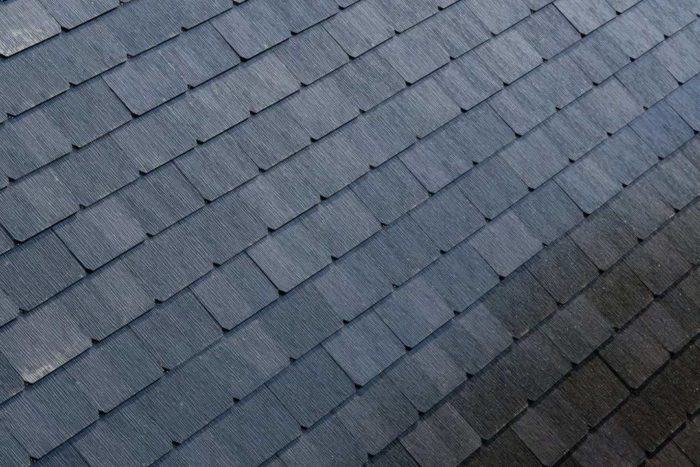
Beyond physical cleaning and inspection, your solar roof’s electrical components need regular attention. Here’s what to include in your maintenance routine:
- Monitor Inverter Status: Check the inverter display or app for error messages or performance drops. Inverters are critical for converting solar energy into usable electricity. For more details, see solar roofing inverters explained.
- Inspect Wiring and Connections: Look for exposed or damaged wires, loose connections, or signs of corrosion. If you notice any issues, contact a qualified technician.
- Track Energy Output: Compare your system’s current output to past performance. Significant drops may indicate a problem that needs professional attention.
- Test Safety Shutoff: Make sure you know how to safely shut down your solar system in case of emergency, and test the shutoff mechanism annually.
Seasonal and Annual Maintenance Tasks
Some maintenance activities are best performed seasonally or annually to ensure your solar roof remains in top condition:
- Spring: Clean panels or shingles after pollen season and inspect for winter damage.
- Summer: Monitor for heat-related issues and trim any fast-growing vegetation.
- Fall: Remove fallen leaves and check gutters to prevent blockages.
- Winter: After heavy snow or ice, inspect for buildup and clear gently if safe to do so. Avoid using sharp tools that could damage the surface.
- Annual Professional Inspection: Schedule a yearly checkup with a solar roofing specialist to assess both the roofing and electrical systems.
If you’re considering upgrades or changes to your system, understanding solar roofing financing options can help you plan for future maintenance or expansions.
Tips for Maximizing Solar Roof Longevity
Following a structured care routine helps you get the most from your solar investment. Here are some final tips for long-term performance:
- Document all maintenance and inspections for warranty and insurance purposes.
- Keep an eye on local weather alerts and inspect your roof after severe storms.
- Stay informed about software updates for monitoring systems or inverters.
- Work with certified professionals for repairs or upgrades to ensure safety and compliance with building codes. For more, see solar roofing building codes.
Frequently Asked Questions
How often should I clean my solar roof?
Most homeowners benefit from cleaning their solar panels or shingles once or twice a year, or more often if you live in an area with heavy dust, pollen, or bird activity. Always inspect after major storms or seasonal changes.
Can I perform all maintenance tasks myself?
Many basic tasks, such as visual inspections and gentle cleaning, can be done by homeowners. However, electrical checks, repairs, or any work involving heights should be left to trained professionals for safety reasons.
Will maintenance affect my solar roof warranty?
Regular upkeep is often required to maintain your warranty coverage. Always follow the manufacturer’s guidelines and keep records of all maintenance and inspections.