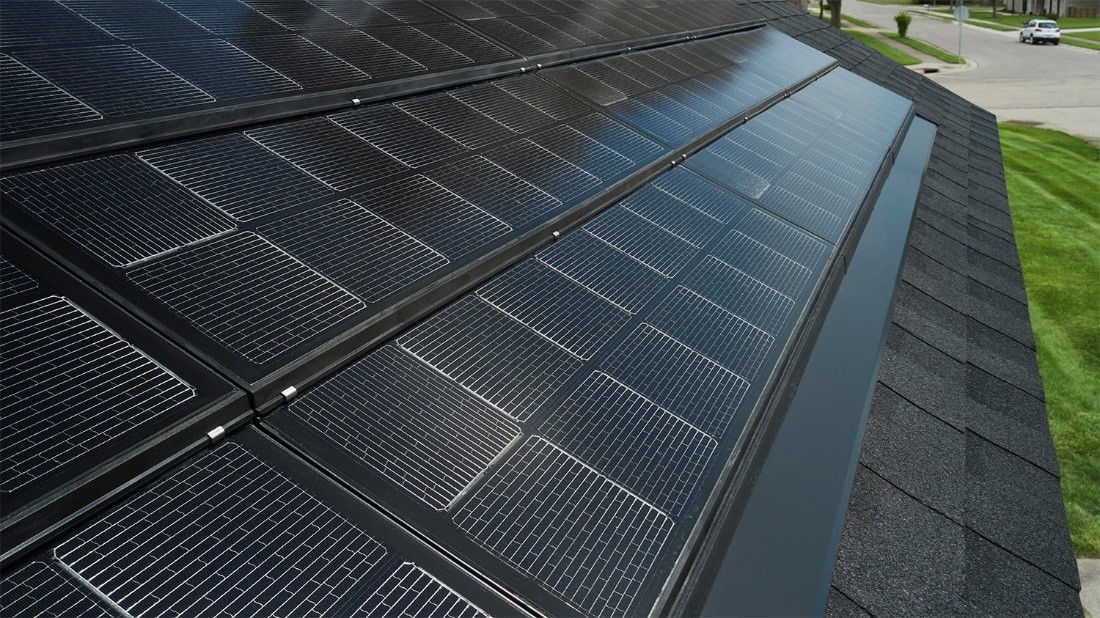
As more homeowners look for ways to reduce energy bills and embrace renewable energy, solar roofing leasing options have become an increasingly popular choice. Leasing allows property owners to enjoy the benefits of solar technology without the high upfront costs of purchasing a system outright. However, while leasing can be attractive, it’s important to weigh both the advantages and drawbacks before making a decision. This article explores the key aspects of leasing solar roofing, including financial implications, contract terms, and long-term considerations.
If you’re also interested in a broader look at the solar roofing pros and cons, you’ll find additional insights in our comprehensive overview.
Understanding Solar Roofing Lease Agreements
Leasing a solar roof typically involves a third-party company installing and maintaining the system on your property. Instead of buying the equipment, you pay a fixed monthly fee to use the solar panels or shingles. These agreements usually last 15 to 25 years and may include options to purchase the system at the end of the term.
There are two primary types of leases:
- Traditional Lease: You pay a set monthly amount regardless of how much energy the system produces.
- Power Purchase Agreement (PPA): You pay for the actual electricity generated by the solar system, often at a rate lower than your utility’s price.
Key Benefits of Leasing Solar Roof Systems
Many homeowners are drawn to solar roofing leasing options because of the financial and practical advantages. Here are some of the most notable benefits:
- Low or No Upfront Costs: Leasing eliminates the need for a large initial investment, making solar accessible to more households.
- Maintenance Included: Most lease agreements include system monitoring, repairs, and maintenance at no extra cost, reducing hassle for the homeowner.
- Predictable Monthly Payments: Fixed lease payments or predictable PPA rates make budgeting easier and protect against rising utility prices.
- Immediate Energy Savings: Many lessees see lower monthly energy bills from day one, especially when utility rates are high.
- Easy Approval: Leasing companies often have less stringent credit requirements than lenders for solar loans.

Potential Drawbacks of Leasing Your Solar Roof
While leasing offers several advantages, it’s important to consider the limitations and possible downsides:
- No Ownership: Since the leasing company owns the system, you don’t build equity in the equipment and may not benefit from property value increases.
- Transfer Complications: Selling your home can be more complex, as the new owner must assume the lease or you may need to buy out the contract.
- Missed Incentives: Federal tax credits and local rebates usually go to the system owner (the leasing company), not the homeowner.
- Long-Term Cost: Over the life of the lease, total payments may exceed the cost of buying a system outright, especially if you stay in your home for decades.
- Contractual Restrictions: Lease agreements can be inflexible, with penalties for early termination or modifications to your roof.
For a deeper dive into the disadvantages of solar roofing, review our detailed guide on what to watch out for before committing.
Comparing Leasing, Buying, and Power Purchase Agreements
When evaluating solar roofing leasing options, it’s helpful to compare them with other financing methods:
| Aspect | Lease | Purchase | PPA |
|---|---|---|---|
| Upfront Cost | Low/None | High | Low/None |
| Ownership | Leasing Company | Homeowner | Provider |
| Maintenance | Included | Homeowner | Included |
| Tax Incentives | Leasing Company | Homeowner | Provider |
| Monthly Payment | Fixed | None (after payoff) | Per kWh Used |
| Home Sale Impact | May Complicate | Increases Value | May Complicate |
Who Should Consider Solar Roof Leasing?
Leasing is often best for homeowners who want to lower their energy bills without a significant upfront investment. It’s also a good fit for those who prefer not to handle maintenance or who may not qualify for solar loans. However, if you plan to stay in your home long-term and want to maximize financial benefits, purchasing may be the better route.
If you’re comparing different solar technologies, our article on solar roof vs traditional solar panels can help clarify which system aligns with your needs.
Important Factors to Evaluate Before Signing a Lease
Before entering into a leasing contract, carefully review the following:
- Contract Length: Most leases last 15–25 years. Consider your long-term plans for the property.
- Escalator Clauses: Some leases include annual payment increases. Understand how your costs may change over time.
- Buyout and Transfer Terms: Make sure you know your options if you sell your home or want to purchase the system.
- System Performance Guarantees: Check if the lease guarantees a minimum energy output and what happens if the system underperforms.
- Maintenance and Repairs: Confirm what’s included and how quickly service will be provided if issues arise.
For more on the technical and practical aspects of solar tile systems, see our resource on the advantages of solar roof tiles for modern homes.
Additional Considerations and Resources
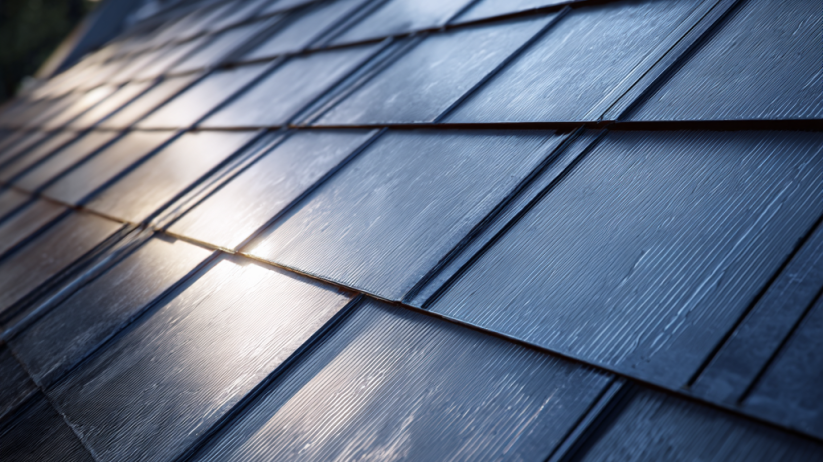
Not all solar roofing products are created equal. Some homeowners may prefer solar shingles or tiles for their aesthetics and integration with roofing materials. For a detailed look at the strengths and weaknesses of these options, visit this comprehensive breakdown of solar shingles’ pros and cons.
Regular maintenance is key to maximizing system performance, whether you lease or own. Cleaning tools, such as a roof cleaning brush, can help keep panels efficient and free of debris.
FAQ: Solar Roofing Leasing Explained
Can I still get government incentives if I lease my solar roof?
Typically, the leasing company claims any federal tax credits or local incentives, not the homeowner. If you want to benefit directly from these programs, purchasing may be a better choice.
What happens if I want to sell my house before the lease ends?
You’ll need to transfer the lease to the new homeowner or buy out the remaining contract. It’s important to discuss this with your leasing provider and your real estate agent early in the selling process.
Are there any hidden costs in solar leasing agreements?
While most leases cover maintenance and repairs, some may include escalation clauses or fees for early termination. Always read the contract thoroughly and ask questions about any unclear terms.
How do solar leases compare to loans?
Loans allow you to own the system and claim incentives, but require a larger upfront investment or monthly payments. Leases offer lower upfront costs but less long-term financial benefit.