As solar technology becomes more integrated into modern homes, understanding the essential components of a solar roofing system is crucial. Among these, inverters play a pivotal role in making solar energy usable for everyday appliances. This article offers a clear, practical breakdown of how these devices work, the different types available, and what homeowners should consider when choosing an inverter for their solar roof.
If you’re considering a solar roof, it’s important to understand not just the panels or tiles, but also the supporting technology that ensures efficient energy conversion. For a broader perspective on the benefits and drawbacks of solar roofing, you may find the solar roofing pros and cons guide helpful as well.
What Are Solar Roofing Inverters?
At the heart of every solar roof system is the inverter. Its main job is to convert the direct current (DC) electricity generated by solar cells into alternating current (AC) electricity, which is what most home appliances and the electrical grid use. Without this conversion, the energy produced by your solar panels or tiles would be unusable for your household needs.
Inverters also provide important safety and monitoring functions. They track the performance of your solar system, shut down in case of faults, and can even optimize the energy output in real time. For anyone looking to maximize the return on a solar investment, understanding the role of inverters is essential.
Types of Inverters for Solar Roofs
Not all inverters are created equal. The best choice depends on your roof design, shading, budget, and energy goals. Here are the main types found in residential solar roofing:
- String Inverters: These are the most common and cost-effective. Multiple solar panels are connected in series (a “string”), and the inverter converts the combined DC output to AC. They work best on roofs with minimal shading and uniform panel orientation.
- Microinverters: A microinverter is installed on each individual panel or tile. This allows each unit to operate independently, improving performance on roofs with shading or panels facing different directions. Microinverters can increase overall system efficiency but tend to cost more upfront.
- Power Optimizers: These are installed at the panel level, like microinverters, but work in tandem with a central inverter. Power optimizers condition the DC electricity before sending it to the central inverter, helping to reduce losses from shading or mismatched panels.
- Hybrid Inverters: Also known as battery-ready inverters, these can manage both solar energy and battery storage. If you plan to add a battery system now or in the future, a hybrid inverter offers flexibility and easier integration.
How Inverters Work Within a Solar Roofing System
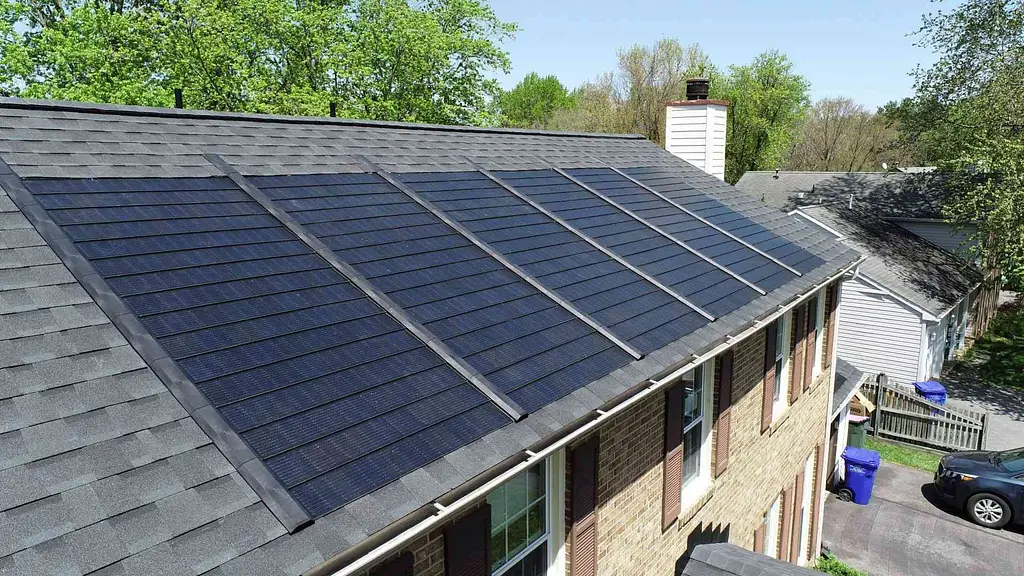
When sunlight hits your solar roof tiles or panels, they generate DC electricity. This current travels through wiring to the inverter, which transforms it into AC power. The converted electricity can then be used immediately in your home or sent back to the grid if you’re producing more than you need.
Inverter technology also enables system monitoring. Many modern inverters come with apps or online dashboards, allowing homeowners to track energy production, spot issues, and optimize usage. This level of visibility is especially helpful for those looking to maximize efficiency and savings.
For a comparison of how solar roofs differ from traditional solar panels, including inverter integration, see the detailed discussion on solar roof vs traditional solar panels.
Key Factors When Choosing an Inverter
Selecting the right inverter involves more than just matching it to your solar array. Here are some important considerations:
- System Size Compatibility: Ensure the inverter’s capacity matches your solar array’s output. Oversized or undersized inverters can reduce efficiency.
- Roof Complexity: If your roof has multiple angles, partial shading, or a mix of panel types, microinverters or power optimizers may deliver better results.
- Monitoring Features: Look for inverters with robust monitoring options, especially if you want to track performance or quickly identify issues.
- Warranty and Reliability: Inverters typically have a shorter lifespan than panels, so a solid warranty and proven reliability are essential.
- Battery Integration: If you plan to add energy storage, a hybrid inverter is a smart investment.
For more on the benefits of solar roof tiles and how inverter choice impacts performance, the article on advantages of solar roof tiles for modern homes is a useful resource.
Benefits and Drawbacks of Different Inverter Types
Each inverter type comes with its own set of pros and cons. String inverters are budget-friendly and simple to maintain, but they can suffer from reduced output if even one panel is shaded. Microinverters and power optimizers handle shading and panel mismatch better, but at a higher upfront cost. Hybrid inverters offer future-proofing for battery storage but may require more complex installation.
For a deeper dive into the trade-offs of solar roofing components, including inverter choices, you might want to review the disadvantages of solar roofing you should know.
Additionally, you can find a comprehensive breakdown of the advantages and disadvantages of solar roof tiles in this external resource.
Installation and Maintenance Tips for Inverters
Proper installation is key to inverter performance and longevity. Always work with a certified installer who understands the specific requirements of your chosen inverter and solar roof system. Placement matters: inverters should be installed in a cool, dry, and shaded location to prevent overheating and extend their lifespan.
Regular maintenance is straightforward but important. Keep the area around the inverter clear of debris, check for error messages or warning lights, and use the monitoring system to track performance. Most issues can be detected early with routine checks, minimizing downtime and maximizing energy production.
For those interested in maintaining optimal roof conditions, a specialized cleaning tool like a roof cleaning brush can help keep solar tiles free from dirt and debris, ensuring maximum sunlight exposure.
Frequently Asked Questions
How long do solar roofing inverters typically last?
Most inverters have a lifespan of 10 to 15 years, which is shorter than the average solar panel. However, many manufacturers offer warranties that cover at least a decade of operation. Regular maintenance and proper installation can help extend the life of your inverter.
Can I upgrade my inverter if I add more solar panels later?
Yes, but it depends on your system design. If you anticipate expanding your solar array, consider choosing an inverter with extra capacity or opting for microinverters, which are easier to scale. Always consult with your installer before making changes.
What happens if my inverter fails?
If an inverter stops working, your solar system will stop producing usable electricity for your home. Most modern inverters will alert you to faults via an app or indicator light. Prompt repair or replacement is necessary to restore energy production.
Conclusion
Understanding how inverters function within a solar roof system is essential for anyone considering solar energy for their home. The right inverter ensures efficient energy conversion, system safety, and long-term reliability. By weighing the different types, considering your roof’s unique needs, and planning for future upgrades, you can make an informed choice that maximizes your investment in renewable energy.