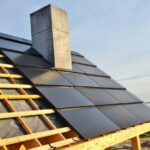
As solar technology becomes more common on residential and commercial rooftops, understanding solar roofing insurance coverage is increasingly important for property owners. Whether you’re planning a new installation or already have solar panels or solar shingles on your roof, knowing how your investment is protected can help you avoid costly surprises. This article explores what coverage typically includes, what to look for in your policy, and how to ensure your solar roofing system is adequately insured.
For those troubleshooting issues or seeking more technical guidance, you may also find the solar roofing troubleshooting guide helpful as an additional resource.
What Is Covered by Solar Roofing Insurance?
Most standard homeowners’ insurance policies provide some level of protection for rooftop solar systems. However, the extent of solar roofing insurance coverage can vary based on your insurer, the type of solar technology, and how the system is installed. Generally, solar panels or solar shingles that are permanently attached to your roof are considered part of the dwelling and are covered under the dwelling protection portion of your policy.
Typical covered risks include:
- Fire, lightning, and windstorm damage
- Hail and falling objects
- Theft or vandalism
- Weight of snow or ice
It’s important to review your policy to confirm that your solar roofing system is explicitly included. Some insurers may require you to notify them of the installation or request an endorsement to your policy.
Types of Solar Roofing Systems and Their Insurance Needs
The type of solar technology installed on your roof can influence your insurance requirements. Traditional solar panels, solar shingles, and hybrid systems each have unique considerations.
Traditional Solar Panels
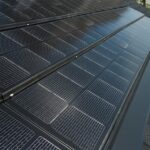
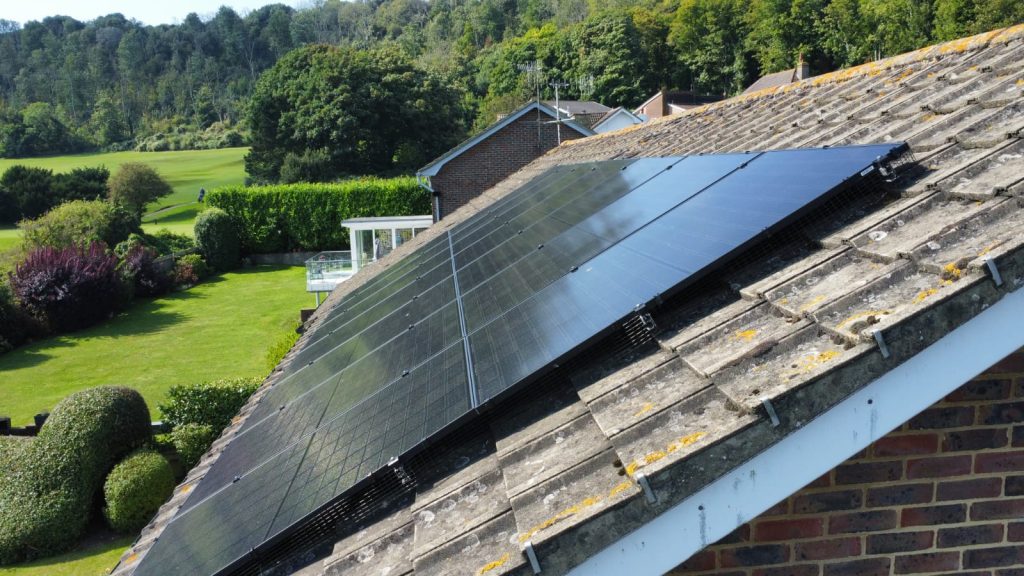
Most insurers treat rooftop solar panels as part of the building structure. If your panels are ground-mounted or installed on a detached structure, they may fall under a different section of your policy, such as “other structures.” Always clarify this with your insurance provider.
Solar Shingles and Integrated Systems
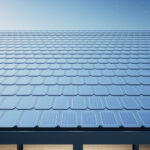
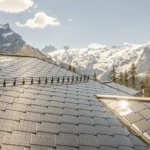
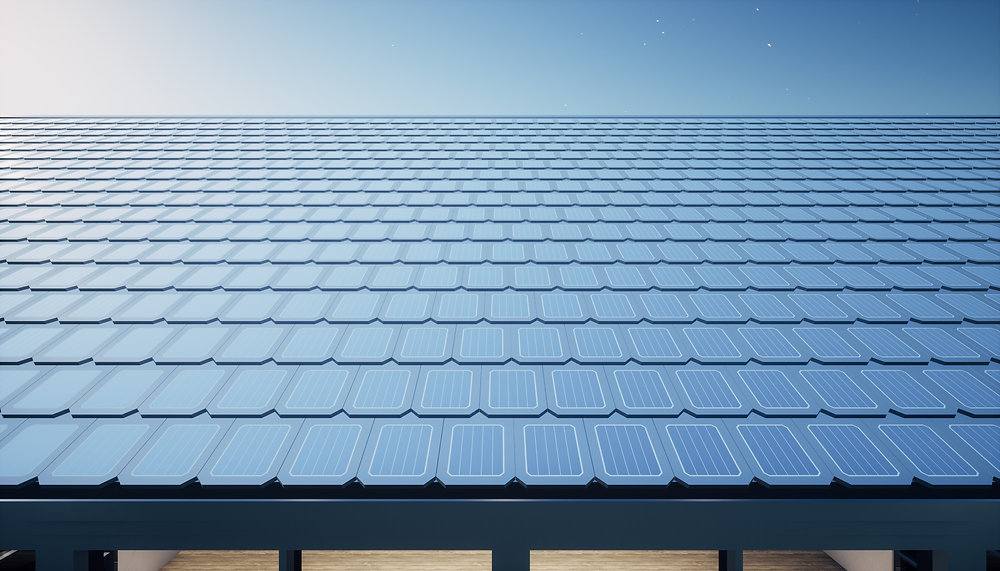
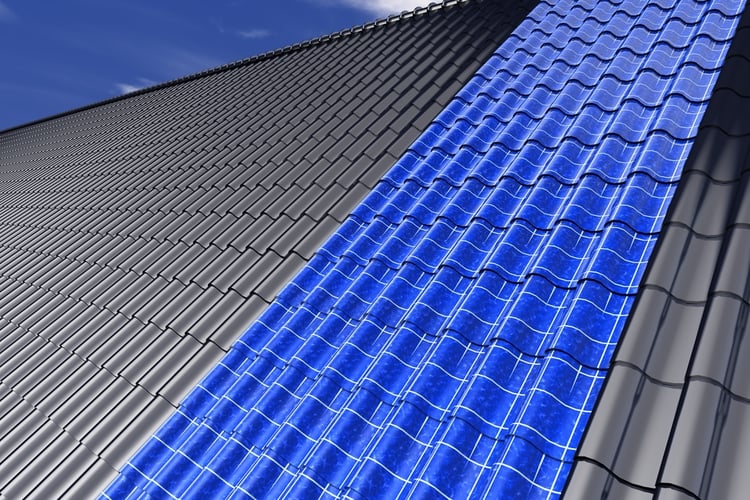
Solar shingles, which blend into the roof itself, are typically covered as part of the dwelling. However, because these systems can be more expensive to repair or replace, you may need to increase your coverage limits. For more details on how solar tiles work and their benefits, see this comprehensive guide to solar tiles.
Hybrid and Off-Grid Systems
If you have a hybrid system or an off-grid setup, your insurance needs may be more complex. These systems can include batteries, inverters, and additional electrical components. It’s wise to discuss these details with your insurer and consider referencing resources like the hybrid solar roofing systems overview or the off grid solar roofing systems guide for more background.
Common Exclusions and Limitations
While most policies offer protection for solar roofing, there are some common exclusions and limitations to watch for:
- Manufacturer defects or poor installation: Insurance generally does not cover problems caused by faulty equipment or improper installation. These are typically the responsibility of your installer or covered by a manufacturer’s warranty.
- Wear and tear: Gradual deterioration, corrosion, or lack of maintenance is not covered.
- Flood or earthquake damage: Standard policies often exclude these perils. You may need separate coverage if you live in a high-risk area.
- Business use: If your solar system is used for commercial purposes, you may need a different type of policy.
Reviewing your policy’s fine print and asking your insurer about specific exclusions can help you avoid gaps in protection.
How to Ensure Adequate Protection for Your Solar Roof
To make sure your solar investment is fully protected, consider these practical steps:
- Notify your insurer before installation: Let your insurance company know about your plans to install solar panels or shingles. They may need to update your policy or adjust your coverage limits.
- Document your system: Keep records of your purchase, installation, and any warranties. Take photos of the finished installation for your records.
- Request a policy endorsement if needed: Some insurers require a specific endorsement to cover solar roofing. Ask if this is necessary.
- Review your coverage limits: Make sure your policy limit is high enough to cover the replacement cost of your solar system.
- Schedule regular maintenance: Insurers may require evidence of routine maintenance to keep coverage valid. For tips, see this guide on cleaning solar roof tiles.
Filing a Claim for Solar Roofing Damage
If your solar system is damaged by a covered peril, the claims process is similar to other property claims. Here’s what to expect:
- Contact your insurer as soon as possible after the damage occurs.
- Document the damage with clear photos and a written description.
- Provide receipts, installation records, and warranty information.
- Work with your claims adjuster to assess the extent of the loss and determine repair or replacement costs.
- Keep records of all communications with your insurer.
Prompt action and thorough documentation can help speed up the claims process and ensure you receive the compensation you’re entitled to.
Tips for Lowering Insurance Costs
Adding solar technology to your roof may increase your home’s replacement value, which can lead to higher premiums. However, there are ways to manage costs:
- Shop around for insurers experienced with solar roofing systems.
- Ask about discounts for security features, such as monitoring systems. For more, see the solar roofing monitoring systems guide.
- Bundle your home and auto policies for potential savings.
- Increase your deductible to lower your premium, if financially feasible.
Frequently Asked Questions
Does homeowners insurance automatically cover solar roofing?
In most cases, rooftop solar panels or shingles are covered as part of the dwelling if they are permanently installed. However, you should always confirm with your insurer and update your policy if needed.
Will my premium go up if I install solar panels?
Your premium may increase if the addition of solar technology raises your home’s replacement value. However, the increase is often modest compared to the value of the protection provided.
Are leased solar panels covered by insurance?
If your solar panels are leased, the leasing company usually maintains insurance on the equipment. You should still notify your insurer and clarify who is responsible for what in the event of damage.
What if my solar system is damaged by a power surge?
Some policies cover power surges, but it’s important to check your policy details. You may need additional equipment breakdown coverage for full protection.
Conclusion
Understanding the ins and outs of solar roofing insurance coverage is essential for protecting your investment and avoiding unexpected expenses. Review your policy carefully, communicate with your insurer, and keep thorough documentation of your solar installation. By staying informed and proactive, you can enjoy the benefits of solar energy with greater peace of mind.