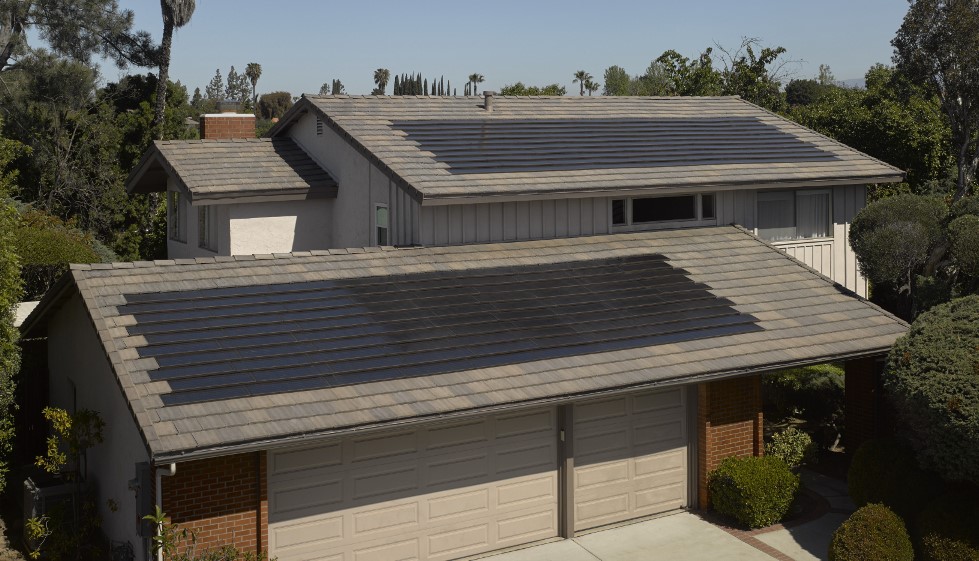
Planning for a solar roof is a significant step toward energy independence and long-term savings. Understanding the solar roofing installation timeline is crucial for homeowners who want to set realistic expectations and ensure a smooth transition to renewable energy. This article breaks down each stage of the process, from initial planning to final inspection, so you know what to expect and how to prepare.
Whether you’re replacing an old roof or integrating solar technology into new construction, the process involves several coordinated steps. Factors such as permitting, roof condition, weather, and the type of solar system can all influence how long the project will take. By getting familiar with the typical phases and potential delays, you’ll be better equipped to make informed decisions and avoid surprises.
For a deeper look at the pros and cons of this technology, check out our solar roofing pros and cons overview.
Key Phases of a Solar Roof Project
The journey from initial interest to a fully operational solar roof involves several distinct stages. Each phase has its own timeline, and understanding these can help you plan accordingly.
- Site Assessment and Consultation: A solar provider will evaluate your roof’s condition, orientation, and shading. This step usually takes 1–2 weeks, including scheduling and on-site inspection.
- System Design and Proposal: After assessment, the installer creates a custom system design and provides a detailed proposal. Expect this phase to last 1–2 weeks as well.
- Permitting and Approvals: Securing the necessary permits from your city or county can take anywhere from 2–6 weeks, depending on local regulations and the complexity of your project.
- Material Procurement: Once permits are approved, materials such as solar shingles or tiles are ordered. Delivery times vary, but typically range from 1–3 weeks.
- Roof Preparation: If your existing roof needs repairs or replacement, this work is completed before solar installation begins. This can add 1–2 weeks to the schedule.
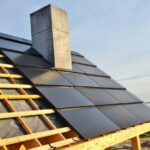
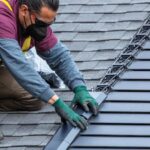
- Solar Installation: The actual installation of solar components generally takes 3–7 days, depending on roof size and system complexity.
- Inspection and Utility Connection: After installation, a final inspection is required before the system can be connected to the grid. This process may take another 1–2 weeks.
Factors That Influence the Solar Roofing Installation Timeline
Several variables can affect how long your solar roof project will take. Being aware of these can help you anticipate delays and plan more effectively.
- Permitting Delays: Some municipalities have lengthy approval processes or require additional documentation, which can extend the timeline.
- Weather Conditions: Rain, snow, or extreme temperatures can delay both roof preparation and solar installation.
- Roof Condition: If your roof needs significant repairs or replacement, this will add time before solar work can begin.
- System Complexity: Larger or more complex systems, such as those with battery storage or custom layouts, may require additional time for both design and installation.
- Material Availability: High demand or supply chain issues can sometimes delay the delivery of solar tiles or other components.
Comparing Solar Roofs and Traditional Panels: Timeline Differences
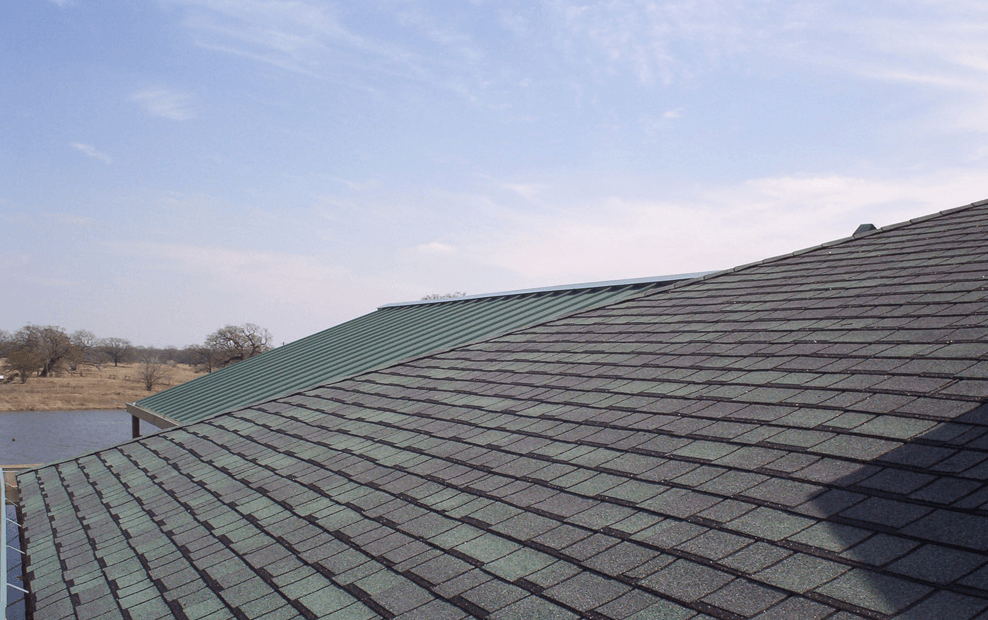
The process for installing solar shingles or tiles is somewhat different from mounting traditional solar panels. Integrated solar roofing often requires more coordination, especially if it involves replacing the entire roof. In contrast, traditional panels are typically mounted on top of an existing roof, which can shorten the installation period. For a detailed comparison, see our guide on solar roof vs traditional solar panels.
How to Prepare for Your Solar Roof Project
Proper preparation can help keep your project on track and minimize unexpected delays. Here are some steps to consider:
- Assess Your Roof: Have a professional evaluate your roof’s age and condition. Address any repairs before the solar work begins.
- Gather Documentation: Collect property records, utility bills, and any HOA guidelines that may be required for permitting.
- Research Local Requirements: Check with your city or county about specific permits or inspections needed for solar roofing.
- Plan for Access: Ensure that installers have clear access to your roof and electrical panel during the project.
Estimated Timeline for a Typical Solar Roofing Project
While every project is unique, most solar roof installations follow a similar schedule. Here’s a general breakdown:
| Phase | Estimated Duration |
|---|---|
| Site Assessment & Consultation | 1–2 weeks |
| System Design & Proposal | 1–2 weeks |
| Permitting & Approvals | 2–6 weeks |
| Material Procurement | 1–3 weeks |
| Roof Preparation | 1–2 weeks |
| Solar Installation | 3–7 days |
| Inspection & Utility Connection | 1–2 weeks |
In total, the entire process can take anywhere from 2 to 3 months, depending on the factors discussed above. Homeowners should communicate closely with their installer to get a more precise estimate tailored to their property and local conditions.
Additional Considerations for a Smooth Experience
Beyond the main phases, there are a few extra steps that can help ensure your solar roof project stays on schedule:
- Stay in Touch: Regularly communicate with your installer for updates and to address any questions promptly.
- Plan for Inspections: Be available for required inspections and utility visits to avoid unnecessary delays.
- Understand Your Warranty: Review the warranty for both roofing and solar components to know what’s covered after installation.
- Consider Roof Maintenance: Keeping your roof clean can help maximize solar efficiency. Tools like a roof cleaning brush can be helpful for ongoing care.
For more information on the benefits of solar tiles, see our article on the advantages of solar roof tiles for modern homes.
FAQs About Solar Roof Installation Timelines
How long does it usually take to install a solar roof?
The full process, from initial assessment to final inspection, typically takes 2 to 3 months. The actual installation of the solar components is often completed in less than a week, but permitting, material procurement, and inspections can add several weeks to the overall schedule.
What can cause delays in the solar roofing process?
Common causes of delays include permitting holdups, weather interruptions, unexpected roof repairs, and supply chain issues for solar materials. Working with an experienced installer and preparing documentation in advance can help minimize these setbacks.
Is the timeline different for solar shingles compared to traditional panels?
Yes, installing solar shingles or tiles usually takes longer than mounting traditional panels, especially if the project involves a full roof replacement. Integrated systems require more coordination between roofing and solar teams, which can extend the schedule.
Resources for Further Learning
If you want to explore how solar roofing can improve energy efficiency, the U.S. Department of Energy offers a helpful overview of cool roofs and their benefits.
For those considering potential drawbacks, our guide on disadvantages of solar roofing covers important points to keep in mind.
By understanding the steps and factors that influence the solar roofing installation timeline, you can plan your project with confidence and enjoy the long-term benefits of clean, renewable energy.