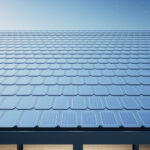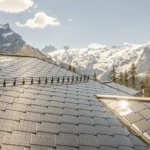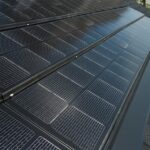
Investing in solar roofing is a significant step toward energy independence and sustainability. However, the process of installing solar tiles or panels on your roof is complex and demands careful planning. Even small errors during installation can lead to costly repairs, reduced efficiency, or even safety hazards. Understanding the most common solar roofing installation mistakes to avoid is essential for homeowners and contractors alike.
This guide highlights critical pitfalls that can undermine your solar investment, from poor roof assessment to neglecting maintenance. By learning about these issues in advance, you can ensure your solar roof delivers optimal performance and longevity. For those troubleshooting existing systems, the solar roofing troubleshooting guide offers additional insights.
Why Proper Planning Matters in Solar Roof Projects
Before any panels or tiles are installed, a thorough assessment of your roof’s structure, orientation, and condition is crucial. Skipping this step is one of the most frequent solar roofing installation mistakes. Roofs that are too old, damaged, or improperly angled can compromise the entire system’s output and lifespan.
- Structural integrity: Ensure your roof can support the additional weight of solar components.
- Orientation and shading: Analyze sun exposure throughout the year to maximize energy production.
- Roof age: Installing solar on a roof nearing the end of its life will likely result in having to remove and reinstall the system for future roof repairs.
Consulting with a qualified solar installer and, if needed, a roofing specialist can help identify and address these issues before installation begins.
Common Errors During Solar Roofing Installation
Even with good planning, mistakes can happen during the actual installation. Here are some of the most frequent problems to watch out for:
Incorrect Flashing and Waterproofing
One of the leading causes of roof leaks after solar installation is improper flashing or sealing around mounting points. If penetrations are not correctly waterproofed, water can seep in, causing rot, mold, and structural damage. Always use the right flashing materials and follow best practices for sealing every connection.
Poor Mounting and Fastening Techniques
Using the wrong type or size of fasteners, or failing to anchor mounts to structural rafters, can result in loose panels or even roof damage. Over-tightening can crack tiles or shingles, while under-tightening risks panels shifting or detaching in high winds.
Neglecting Electrical Safety and Code Compliance
Solar roofing systems involve complex electrical work. Failing to follow local codes or using substandard wiring can create fire hazards and void warranties. Always ensure that a licensed electrician handles all electrical connections and that the system is inspected before activation.
Design and System Sizing Mistakes to Avoid
Another common pitfall is improper system sizing or poor layout design. Installing too few panels, or placing them in shaded areas, will limit your energy savings. Conversely, oversizing the system without considering your actual consumption can lead to wasted investment.
- Accurate load assessment: Calculate your household’s energy needs before finalizing the system size.
- Panel placement: Avoid shaded or north-facing sections of the roof whenever possible.
- Future expansion: Consider whether you might want to add more panels later and plan accordingly.
For those interested in alternative setups, such as off grid solar roofing systems or hybrid configurations, system design becomes even more critical.
Maintenance Oversights That Impact Solar Roof Performance
Even after a flawless installation, neglecting regular maintenance is a frequent oversight. Dust, leaves, and debris can accumulate on panels, reducing their efficiency. In some climates, snow or bird droppings can also be an issue.
Routine cleaning and inspection are essential for maintaining peak performance. For best practices, refer to this guide on cleaning solar roof tiles. Using appropriate tools and gentle cleaning methods helps prevent accidental damage.
Overlooking Monitoring and Troubleshooting Tools
Many homeowners fail to install or use monitoring systems that track solar output and alert you to issues. Without real-time data, problems like inverter faults or panel underperformance can go unnoticed for months. Integrating a solar roofing monitoring system is a smart way to protect your investment and catch issues early.
Choosing the Wrong Installer or DIY Risks
Attempting a DIY installation or hiring inexperienced contractors is a major risk. Professional installers understand the nuances of both roofing and solar technology, ensuring compliance with safety standards and manufacturer warranties. Always check credentials, references, and reviews before signing a contract.
For a balanced perspective on the pros and cons of different solar roofing products, see this overview of solar roof tile advantages and disadvantages.
Frequently Asked Questions
What is the most common mistake when installing solar roofing?
The most frequent error is failing to properly assess the roof’s condition and suitability before installation. This can lead to leaks, structural issues, and premature system failure.
How can I prevent leaks after solar panels are installed?
Ensuring correct flashing, sealing all penetrations, and using high-quality waterproofing materials are key steps. Hiring experienced professionals further reduces the risk of leaks.
Is regular cleaning necessary for solar roofing systems?
Yes, routine cleaning helps maintain efficiency by removing dust, debris, and other buildup. Using the right tools and gentle techniques prevents accidental damage to the panels or tiles.
Can I install solar panels on an old roof?
It’s generally not recommended. If your roof is nearing the end of its lifespan, replace or repair it before installing solar to avoid future removal and reinstallation costs.
What should I look for in a solar roofing installer?
Choose installers with proven experience, proper certifications, and positive customer feedback. Ask about their warranty policies and ensure they follow all local codes and safety standards.