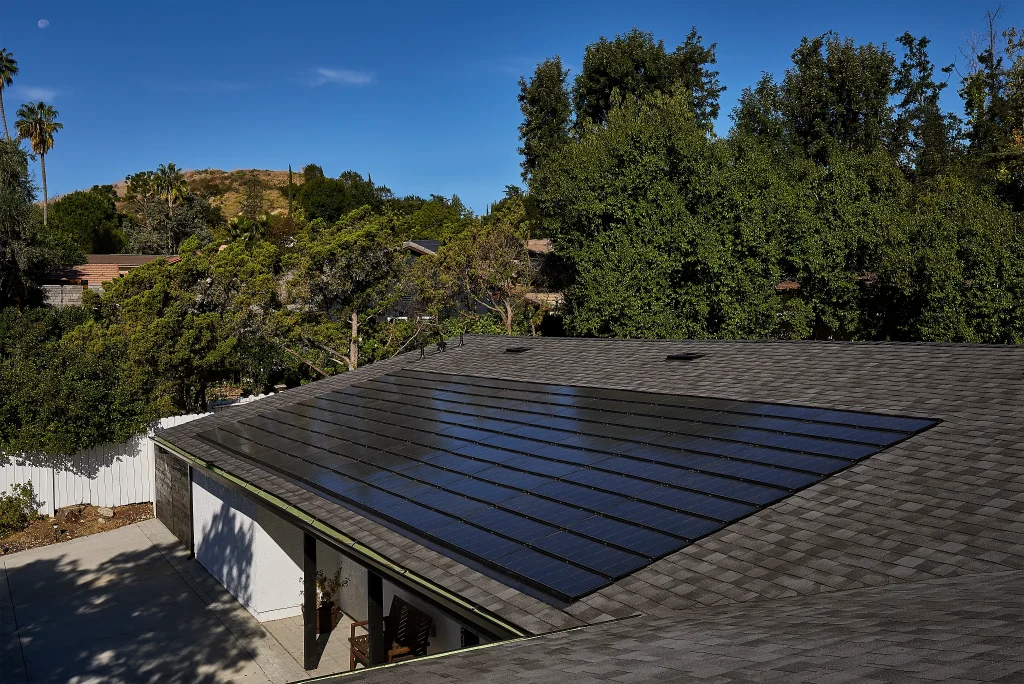
Investing in a solar roof is a significant decision for any homeowner. While the environmental and long-term cost benefits are clear, the upfront expense can be substantial. Fortunately, there are a variety of solar roofing financing options available to help make this technology more accessible. Understanding the different ways to fund a solar roof project can empower you to choose the best path for your budget and goals.
Before diving into the specifics of financing, it’s helpful to weigh the solar roofing pros and cons for your home. This can clarify whether a solar roof is the right investment for your situation and help you plan your financing approach accordingly.
Why Financing Matters for Solar Roofing
The cost of installing a solar roof can range from $20,000 to $60,000 or more, depending on the size of your home, the type of solar shingles or tiles used, and your location. While prices have dropped in recent years, the initial investment remains a barrier for many. Financing solutions are designed to spread out these costs, making solar technology more attainable and allowing homeowners to start saving on energy bills sooner.
Choosing the right funding method can also impact your long-term savings, tax benefits, and even the resale value of your home. Let’s explore the most common ways to pay for a solar roofing system.
Popular Solar Roofing Financing Solutions
There are several main approaches to financing a solar roof. Each has its own advantages, drawbacks, and eligibility requirements. Here’s a breakdown of the most widely used options:
Solar Loans
Solar loans are one of the most popular ways to finance a solar roof. These loans can be secured (using your home as collateral) or unsecured (based on your creditworthiness). Many banks, credit unions, and specialized solar lenders offer these products.
- Pros: You own the system outright, qualify for tax credits, and can increase your home’s value.
- Cons: Monthly payments and interest charges apply; strong credit may be required for the best rates.
Home Equity Loans and Lines of Credit (HELOCs)
If you have equity in your home, a home equity loan or line of credit can be used to fund your solar roof. These typically offer lower interest rates than unsecured loans.
- Pros: Lower rates, longer repayment terms, potential tax-deductibility of interest.
- Cons: Your home is collateral; risk of foreclosure if you default.
Solar Leases and Power Purchase Agreements (PPAs)
With a solar lease or PPA, a third-party company installs and owns the solar roof. You pay a fixed monthly fee (lease) or pay for the electricity generated (PPA).
- Pros: Little or no upfront cost, maintenance is handled by the provider.
- Cons: You don’t own the system, so you can’t claim tax credits or incentives; may complicate home sale.
PACE Financing
Property Assessed Clean Energy (PACE) programs allow you to finance solar improvements through your property tax bill. This option is available in select states and municipalities.
- Pros: No upfront payment, repayment tied to property (not individual).
- Cons: Availability is limited; may affect ability to sell or refinance your home.
Comparing Solar Roof Payment Plans
To help you evaluate which approach fits your needs, here’s a comparison of the main solar roofing financing options:
| Financing Type | Ownership | Upfront Cost | Tax Credit Eligible | Typical Term |
|---|---|---|---|---|
| Solar Loan | Homeowner | Low/None | Yes | 5–20 years |
| Home Equity Loan/HELOC | Homeowner | Low/None | Yes | 5–30 years |
| Lease/PPA | Third-Party | None | No | 15–25 years |
| PACE | Homeowner | None | Yes | Up to 20 years |
Government Incentives and Tax Credits
One of the biggest advantages of owning your solar roof is access to federal, state, and local incentives. The federal solar Investment Tax Credit (ITC) allows you to deduct a significant percentage of your system’s cost from your taxes. Many states and utilities offer additional rebates or performance-based incentives.
These benefits can dramatically reduce the net cost of your solar roof, making financing even more attractive. However, you must own the system (not lease) to claim most incentives.
How to Choose the Right Financing Path
Selecting the best way to pay for your solar roof depends on your financial situation, credit score, home equity, and long-term plans. Here are some tips to guide your decision:
- Calculate your expected energy savings and compare them to loan or lease payments.
- Check your eligibility for tax credits and local incentives.
- Review the terms, interest rates, and fees for each financing option.
- Consider how long you plan to stay in your home.
- Consult with a financial advisor or solar installer for personalized advice.

Key Considerations Before Financing a Solar Roof
Beyond the numbers, there are other factors to keep in mind. Maintenance requirements, warranty coverage, and the lifespan of your solar roof all play a role in your investment. For a deeper look at the advantages of solar roof tiles and potential disadvantages of solar roofing, explore our detailed guides.
It’s also important to compare solar roofs with traditional solar panels. Some homeowners may find that solar roof vs traditional solar panels offers a better fit for their needs or budget.
Additional Resources and Expert Advice
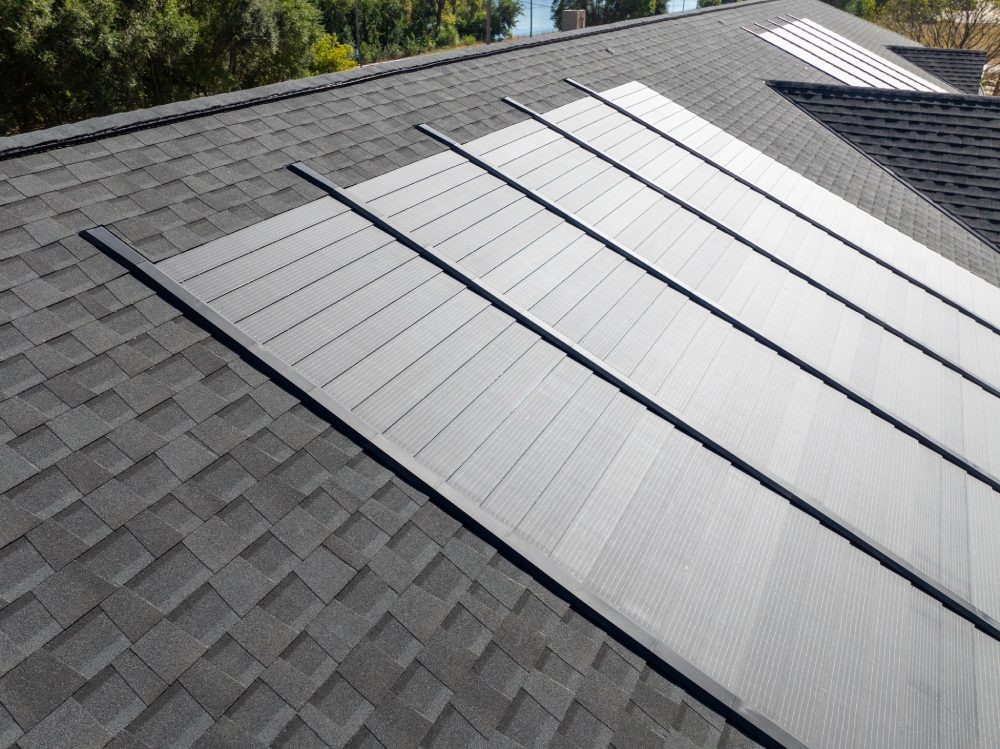
For homeowners interested in learning more about the benefits of solar roof tiles, this comprehensive overview of solar roof tile benefits provides further insights. Always consult with reputable installers and review multiple quotes before making a commitment.
Frequently Asked Questions
What credit score is needed for solar roof financing?
Most lenders look for a credit score of at least 650 for unsecured solar loans. Home equity loans and HELOCs may have stricter requirements. Better credit usually means lower interest rates and more favorable terms.
Can I combine incentives with financing?
Yes, if you own your solar roof (through a loan, cash, or PACE), you can typically claim federal and state tax credits and rebates. Leases and PPAs do not allow you to claim these incentives directly.
Is it better to lease or buy a solar roof?
Buying (with cash or a loan) offers the greatest long-term savings and access to incentives. Leasing or using a PPA can be a good option if you want to avoid upfront costs and maintenance, but you won’t own the system or receive tax benefits.
How long does it take to pay off a solar roof investment?
Payback periods vary, but most homeowners recoup their investment in 7–12 years, depending on local energy rates, incentives, and financing terms.
Exploring solar roofing financing options can make renewable energy a reality for more homeowners. By understanding your choices and comparing offers, you can find a solution that fits your budget and helps you enjoy the benefits of clean, reliable power for years to come.