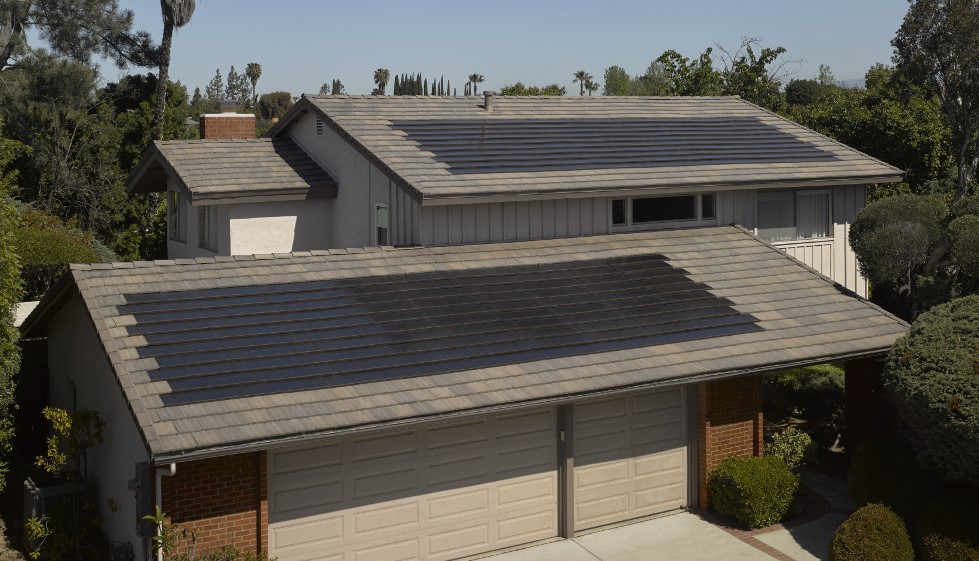
The move toward solar roofing energy independence is transforming how homeowners and businesses approach electricity use and sustainability. By integrating solar panels or solar shingles directly into the roof, properties can generate their own power, reduce reliance on the traditional grid, and take control of their energy future. This shift not only brings financial and environmental benefits but also increases resilience against rising utility costs and power outages.
As more people explore the advantages of solar-integrated roofs, questions arise about installation, cost, efficiency, and long-term value. Understanding the basics of solar roofing, how it supports self-sufficiency, and what to consider before making the switch is essential for anyone interested in renewable energy solutions. For those who want to dig deeper into the environmental side, the solar roofing carbon footprint reduction guide provides further insights.
What Is Solar Roofing and How Does It Enable Energy Self-Sufficiency?
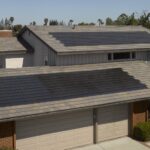
Solar roofing refers to the installation of photovoltaic (PV) materials—either as panels or integrated shingles—on a building’s roof. These systems capture sunlight and convert it into electricity, which can be used immediately, stored in batteries, or sent back to the grid. By producing power on-site, property owners can reduce or even eliminate their dependence on utility companies.
The core of solar roofing energy independence lies in the ability to generate, store, and manage your own electricity. Modern systems often include smart inverters and battery storage, allowing for optimized usage and backup power during outages. This approach not only cuts monthly bills but also provides peace of mind during grid disruptions.
Key Benefits of Achieving Energy Autonomy with Solar Roofs
Embracing solar-powered roofing brings a range of practical and financial advantages:
- Lower Electricity Bills: Generating your own power means less reliance on purchased electricity, resulting in significant savings over time.
- Protection from Rate Increases: Utility prices tend to rise, but producing your own energy shields you from these fluctuations.
- Environmental Impact: Solar generation reduces greenhouse gas emissions and reliance on fossil fuels. For more on this, see the solar roofing environmental benefits resource.
- Increased Property Value: Homes with solar roofs are often more attractive to buyers and can command higher resale prices.
- Energy Security: With battery storage, you can keep essential systems running during outages or emergencies.
Types of Solar Roofing Systems for Homeowners
There are two main approaches to solar roofing for those seeking greater energy independence:
- Traditional Solar Panels: Mounted on top of existing roofing materials, these are the most common and typically offer the highest efficiency.
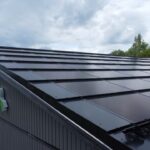
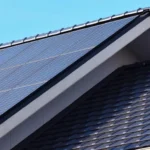
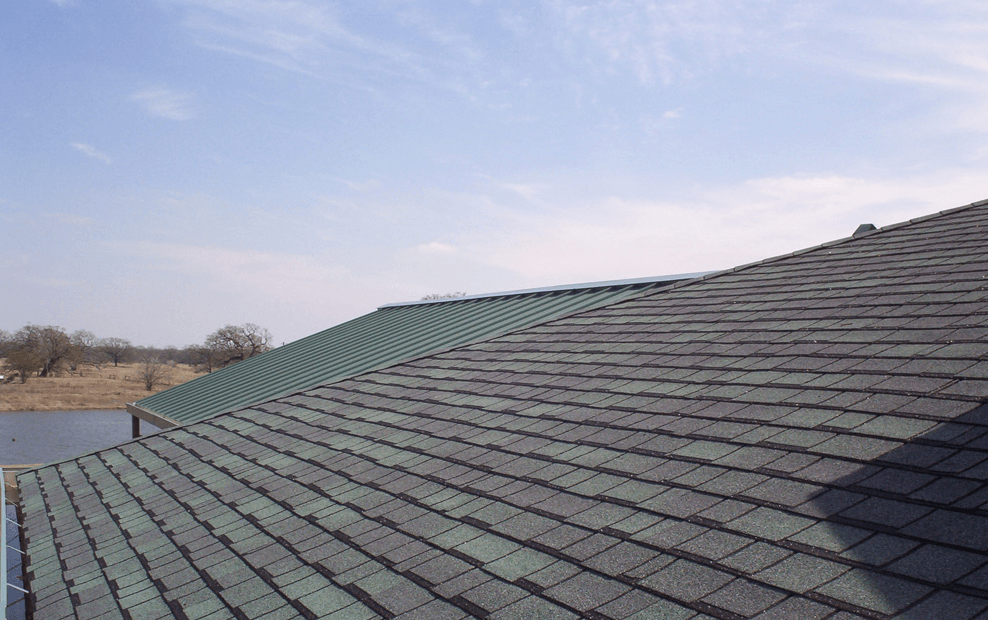
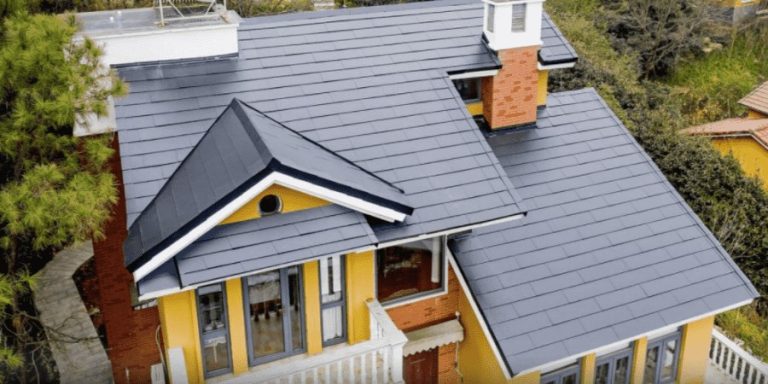
- Solar Shingles or Tiles: Integrated directly into the roof’s surface, these provide a more seamless appearance and can be ideal for new construction or roof replacements.
The choice between panels and integrated shingles depends on your roof’s age, structure, and aesthetic preferences. Both options support the goal of generating your own clean electricity.
Factors That Influence Solar Roofing Performance
To maximize the benefits of a solar-powered roof, several factors should be considered:
- Roof Orientation and Angle: South-facing roofs with optimal tilt receive the most sunlight.
- Shading: Trees, chimneys, or neighboring buildings can reduce solar output. A professional assessment can identify and address these issues.
- Roof Condition: Older roofs may need repairs or replacement before installation. Integrating solar with a new roof can be cost-effective.
- Local Climate: While solar works in most regions, areas with more sun exposure yield higher energy production.
- System Size: The number of panels or shingles installed should match your household’s energy needs and available roof space.
For a detailed look at costs and value, the solar roofing price comparison guide can help you weigh your options.
Installation, Maintenance, and Longevity
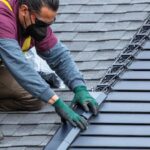
Installing a solar roof requires careful planning and professional expertise. Most systems are designed to last 25 years or more, with minimal maintenance beyond occasional cleaning and inspections. Keeping the surface clear of debris ensures maximum sunlight absorption and efficiency.
Regular maintenance can be as simple as using a specialized brush or scheduling annual checkups. If you’re considering a new system, it’s wise to review the questions to ask solar roofing contractors before hiring an installer.
Financial Considerations and Payback Period
The upfront investment for solar-integrated roofing can be significant, but incentives, rebates, and long-term savings make it worthwhile for many. Federal and local programs may offset costs, and many homeowners see a return on investment within 7–12 years, depending on system size and local energy rates.
For a closer look at how quickly you might recoup your investment, check the solar roofing payback period resource.
Integrating Solar Roofs with Other Energy-Saving Technologies
Pairing solar roofing with other efficiency upgrades can further reduce energy consumption and costs. Options include high-efficiency appliances, smart thermostats, and cool roofing materials that reflect more sunlight and absorb less heat. Combining these strategies maximizes the value of your investment and supports a more sustainable lifestyle.
Frequently Asked Questions
How much roof space is needed for a solar system?
The amount of space required depends on your energy needs and the efficiency of the panels or shingles. On average, a typical home may need 300–400 square feet of unshaded roof area for a standard system.
Can solar roofs work during power outages?
If your system includes battery storage, you can use stored energy during outages. Without batteries, most grid-tied systems shut down for safety reasons when the grid is offline.
What is the maintenance involved with solar roofing?
Maintenance is minimal—mainly keeping the surface clean and scheduling periodic inspections. Most manufacturers recommend annual or biannual checkups to ensure optimal performance.
Conclusion
Achieving greater control over your energy use through solar-integrated roofing is more accessible than ever. By understanding the options, benefits, and practical considerations, you can make informed decisions that support both your financial goals and environmental values. As technology advances and costs continue to fall, more homeowners and businesses are choosing to invest in their own energy future.