As more homeowners look for ways to reduce energy costs and embrace renewable energy, the debate between solar roof vs traditional solar panels has become increasingly relevant. Both technologies offer the promise of clean electricity and long-term savings, but they differ in design, installation, performance, and overall value. Understanding these distinctions is crucial for anyone considering a solar upgrade for their property.
Before diving into the main differences, it’s helpful to consider how solar technology interacts with other aspects of home efficiency. For example, improving insulation can enhance the benefits of solar by reducing energy loss. Learn more about how attic insulation prevents mold growth and supports a healthier, more energy-efficient home.
Understanding Solar Roofs and Conventional Solar Panels
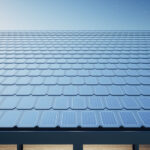
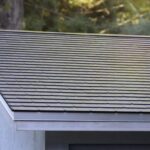
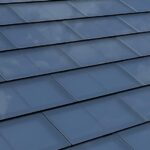
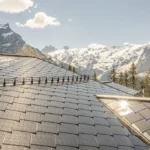
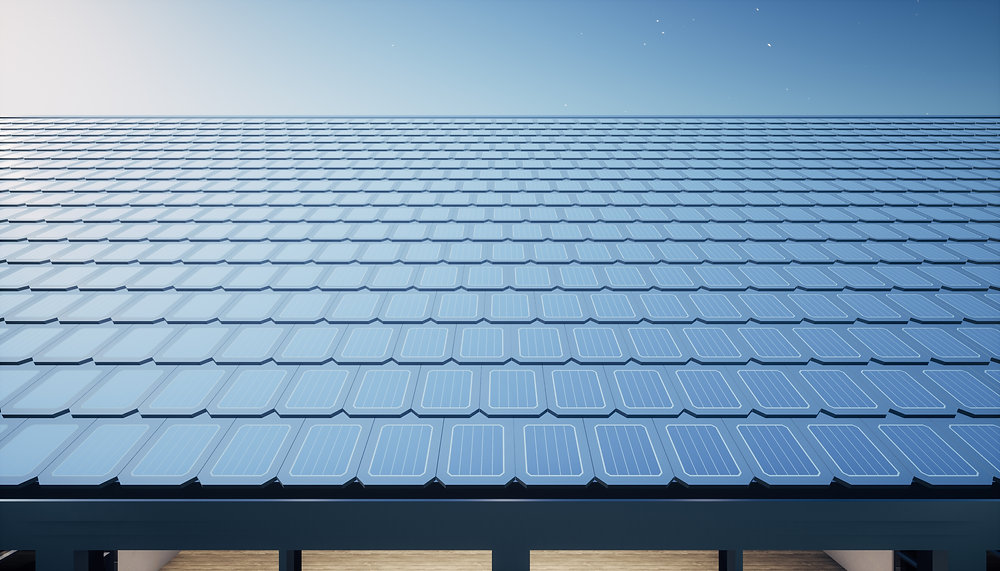
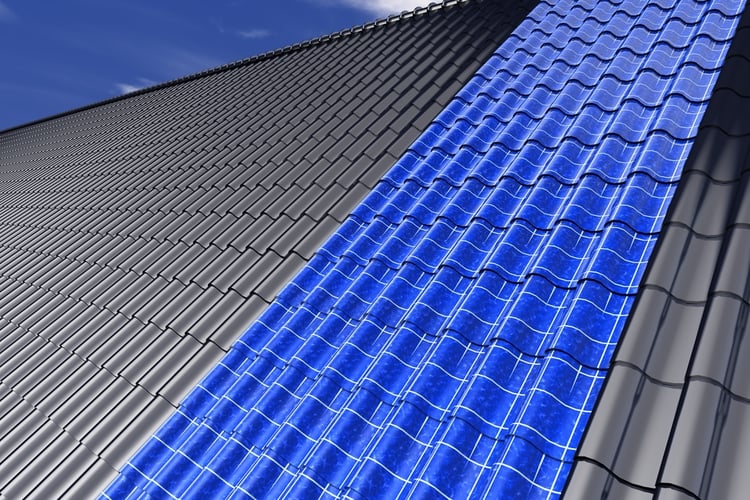
To make an informed decision, it’s essential to recognize what sets these two solar solutions apart. Solar roofs are made up of photovoltaic shingles or tiles that replace standard roofing materials. These shingles blend in with the roof, serving both as a protective layer and as a source of electricity. In contrast, traditional solar panels are mounted on top of an existing roof using a racking system. They are typically more visible and are installed as separate units.
The choice between these options often depends on a homeowner’s priorities, such as aesthetics, budget, and the age or condition of the current roof.
Key Differences in Installation and Appearance
One of the most noticeable differences is the way each system is installed and how it looks on your home. Solar shingles are integrated directly into the roof, creating a seamless, low-profile appearance. This is particularly appealing for those who want a modern look or need to replace their roof anyway.
On the other hand, traditional panels are more prominent, sitting above the roof surface. While this can make them easier to maintain or upgrade, some homeowners may find them less visually appealing. However, for many, the proven performance and lower upfront costs of standard panels outweigh aesthetic concerns.
Performance and Efficiency: Comparing Output
When it comes to energy production, both solar roofs and conventional panels use similar photovoltaic technology. However, efficiency ratings can differ. Most traditional panels offer higher efficiency per square foot, meaning they can generate more electricity from a smaller area. This is particularly important for homes with limited roof space or high energy demands.
Solar shingles, while improving in efficiency, typically produce less power per tile compared to a standard panel. This means that to achieve the same output, a larger area of the roof may need to be covered with solar tiles. For homes with complex roof shapes or limited sun exposure, this can be a significant consideration.
Cost Considerations: Upfront and Long-Term Investment
Budget is often a deciding factor in the solar roof vs traditional solar panels decision. Installing a solar roof generally costs more than adding panels to an existing roof, especially if the current roof is still in good condition. The higher price reflects both the dual function of the tiles (roofing and solar generation) and the specialized installation required.
Traditional panels are usually more affordable, particularly for retrofits. They also allow for easier upgrades or repairs, as individual panels can be replaced without disturbing the entire roof structure. Over time, both systems can offer substantial savings on electricity bills, but the payback period may be shorter with conventional panels due to their lower initial cost.
Durability, Maintenance, and Lifespan
Both solar roofs and standard panels are designed to withstand the elements, but their maintenance needs differ. Solar shingles are built to function as roofing material, offering durability against wind, rain, and hail. However, repairs can be more complex, as damaged tiles may require specialized replacement.
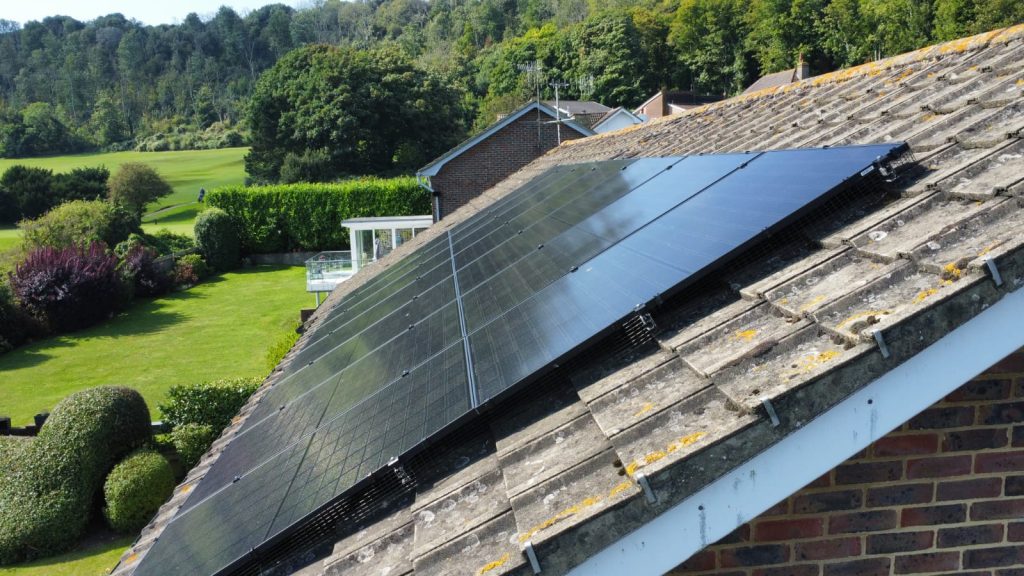
Traditional panels require periodic cleaning and occasional inspection of the racking system, but individual components are generally easier to access. Both systems typically come with warranties ranging from 20 to 30 years, though actual lifespan can vary based on climate and maintenance.
Which Option Is Right for Your Home?
Choosing between integrated solar tiles and mounted panels depends on your specific needs. If you value a sleek look and are planning a new roof, a solar roof may be appealing. If maximizing energy output and minimizing upfront costs are your priorities, conventional panels are often the better choice.
It’s also important to consider local regulations, available incentives, and the orientation and shading of your roof. Consulting with a qualified installer can help determine the most effective solution for your property.
Additional Factors to Consider
- Resale Value: Both options can increase home value, but some buyers may prefer the modern look of solar tiles, while others trust the proven track record of panels.
- Roof Condition: If your roof is nearing the end of its life, replacing it with solar shingles can be cost-effective. If your roof is in good shape, adding panels may be more practical.
- Incentives and Rebates: Many regions offer financial incentives for solar installations. These can significantly reduce the net cost of either system.
- Environmental Impact: Both solutions reduce reliance on fossil fuels, but the manufacturing process and materials used may differ. Researching the environmental footprint of each product can inform your decision.
Expert Resources and Further Reading
For a deeper dive into the technology behind solar tiles, see this comprehensive guide to solar tiles and their benefits. If you’re interested in optimizing your home’s energy performance, you may also want to explore topics like how to inspect roof insulation or attic insulation for pest prevention.
Frequently Asked Questions
Are solar shingles as efficient as traditional solar panels?
Solar shingles have improved in efficiency, but most still produce less electricity per square foot than standard panels. If your roof has limited space or you have high energy needs, conventional panels may offer better performance.
Is it worth replacing my roof with solar tiles?
If your roof is due for replacement and you want a seamless, integrated look, solar tiles can be a smart investment. However, if your roof is in good condition, adding panels is typically more cost-effective.
How long do solar roofs and traditional panels last?
Both systems are designed to last 20–30 years or more, with warranties to match. Proper maintenance and installation are key to maximizing lifespan, regardless of which option you choose.