


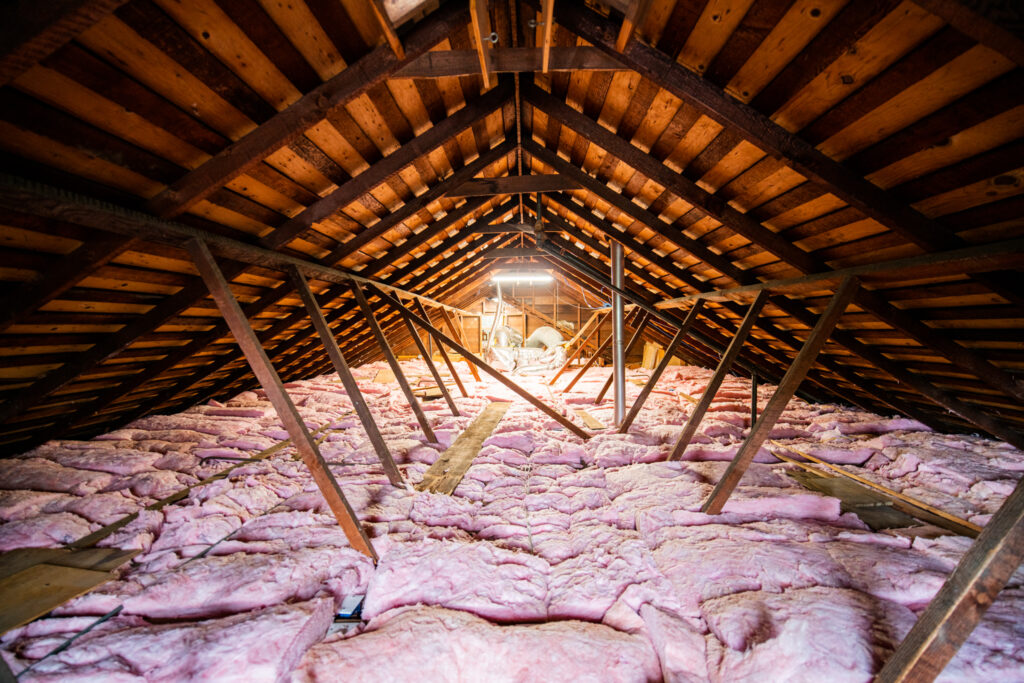
Keeping your attic properly insulated is essential for maintaining a comfortable home and controlling energy costs. Over time, insulation can lose effectiveness due to age, moisture, pests, or improper installation. Recognizing the signs your attic insulation needs replacing can help you avoid higher utility bills, uneven temperatures, and potential damage to your home’s structure. This guide will walk you through the most common indicators that your attic insulation may be due for an upgrade, and what steps you can take to address the issue.
If you’re curious about how insulation performance is measured, you might find attic insulation R-value explained helpful for understanding efficiency ratings and what to look for when considering a replacement.
Why Attic Insulation Matters for Your Home
Attic insulation acts as a barrier, slowing the transfer of heat between your living space and the outdoors. When insulation is in good condition, it helps keep your home warm in winter and cool in summer. However, when it deteriorates or becomes insufficient, your HVAC system must work harder, leading to increased energy consumption and costs. Inadequate insulation can also contribute to moisture problems, ice dams, and even structural issues over time.
Key Signs Your Attic Insulation Needs Replacing
Spotting the warning signs early can prevent further complications and help you maintain a healthy, efficient home. Here are the most common indicators that it’s time to consider new insulation:
1. Noticeable Temperature Fluctuations
One of the first signs your attic insulation needs replacing is inconsistent indoor temperatures. If you notice that certain rooms are much colder in winter or hotter in summer compared to the rest of your house, your insulation may no longer be providing adequate thermal resistance.
2. Rising Energy Bills
An unexplained increase in heating or cooling costs often points to insulation problems. As insulation deteriorates, your HVAC system must compensate, running longer and using more energy. If your bills are climbing despite no change in usage, it’s worth inspecting your attic.
3. Drafts and Cold Spots
Feeling drafts or cold spots in your home, especially near the ceiling or upper floors, can indicate that insulation has settled, compressed, or shifted out of place. This reduces its effectiveness and allows outside air to enter more easily.
4. Visible Damage or Moisture
Inspect your attic for any signs of water stains, mold, or mildew on the insulation. Moisture can quickly degrade insulation materials, reducing their ability to trap air and regulate temperature. Wet or compacted insulation should be replaced immediately to prevent further issues.
5. Pest Infestations
Rodents, insects, and birds sometimes nest in attics, disturbing or contaminating insulation. Look for droppings, nests, or chewed materials. Contaminated insulation not only loses effectiveness but can also pose health risks.
6. Age and Settling of Insulation
Most insulation materials have a lifespan of 15–20 years, though this can vary based on type and conditions. Over time, insulation can settle or compress, reducing its R-value and leaving gaps. If your home is older and the insulation hasn’t been updated, it’s likely time for an assessment.
7. Ice Dams or Roof Issues
In colder climates, ice dams forming along the roof edge can signal heat escaping from the attic due to poor insulation. This not only increases energy costs but can also damage your roof and gutters.
How to Check Your Attic Insulation Effectiveness
If you suspect your insulation is underperforming, a simple visual inspection can reveal a lot. Look for areas where insulation is thin, patchy, or missing. Compare the depth of your insulation to recommended standards for your region. If you’re unsure about the type or amount of insulation you have, a professional energy audit can provide a thorough assessment.
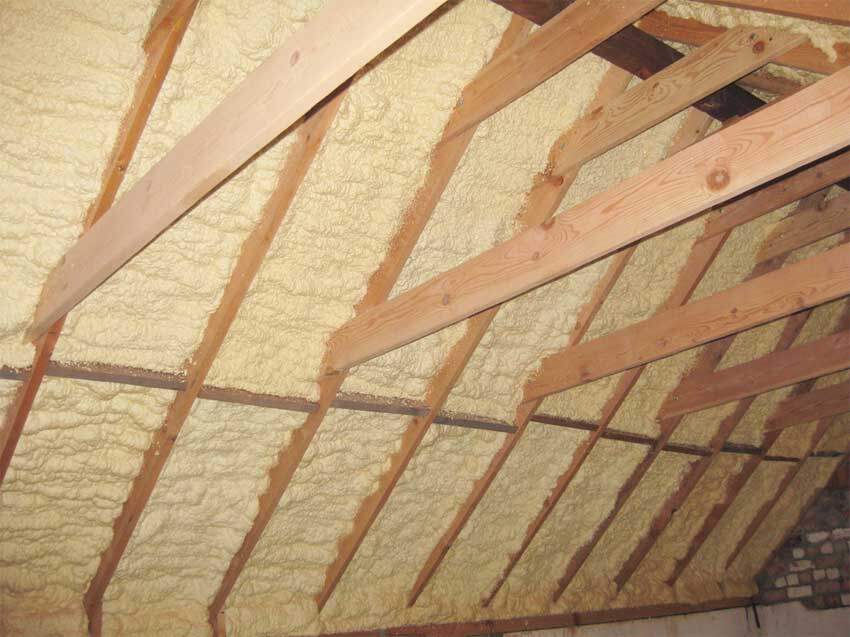
For a deeper dive into material options, see the difference between fiberglass and spray foam insulation to help you decide what might work best for your home.
What Causes Insulation to Fail?
Several factors can contribute to insulation losing its effectiveness:
- Moisture intrusion: Leaks from the roof or plumbing can saturate insulation, causing it to clump and lose R-value.
- Pest activity: Animals can disturb, compress, or contaminate insulation materials.
- Age: Over time, all insulation materials degrade, settle, or become less effective.
- Poor installation: Gaps, compression, or inadequate coverage from the start can lead to early failure.
- Air leaks: Unsealed gaps around vents, pipes, or light fixtures allow conditioned air to escape, reducing insulation’s impact.
Steps to Take If Your Insulation Needs Replacement
If you’ve identified several signs your attic insulation needs replacing, it’s important to act quickly. Here’s what you can do:
- Remove damaged or contaminated insulation: Safely dispose of any wet, moldy, or pest-infested material.
- Seal air leaks: Use caulk or spray foam to close gaps around pipes, vents, and electrical fixtures before installing new insulation.
- Choose the right insulation type: Consider climate, budget, and efficiency needs. Learn more about material options and performance in our related guides.
- Install to recommended depth: Follow local building codes and energy efficiency recommendations for your region.
- Check attic ventilation: Proper airflow helps prevent moisture buildup and extends the life of your insulation. For more, see our article on how to ventilate an attic.
Benefits of Timely Insulation Replacement
Upgrading your attic insulation can bring several advantages:
- Lower energy bills: Improved insulation reduces heating and cooling costs.
- Consistent indoor comfort: Fewer drafts and more stable temperatures throughout your home.
- Better air quality: Removing old, contaminated insulation can reduce allergens and improve overall air quality.
- Longer roof life: Proper insulation and ventilation help prevent ice dams and moisture damage.
- Increased home value: Energy-efficient upgrades are attractive to potential buyers.
FAQ: Common Questions About Attic Insulation Replacement
How often should attic insulation be replaced?
Most insulation materials last between 15 and 20 years, but this can vary depending on type, climate, and exposure to moisture or pests. It’s wise to inspect your attic every few years for any of the signs mentioned above.
Can I add new insulation over old insulation?
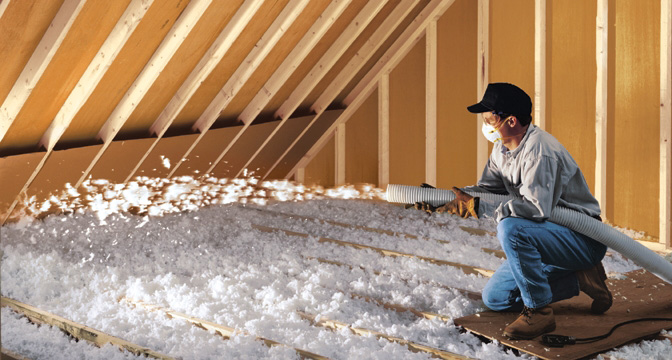
In many cases, you can add new insulation on top of existing material if it’s dry, clean, and free of mold or pest contamination. However, damaged or wet insulation should always be removed before adding more.
What type of insulation is best for attics?
The best type depends on your climate, budget, and specific needs. Common options include fiberglass batts, blown-in cellulose, and spray foam. For a detailed comparison, check out our guide on the difference between fiberglass and spray foam insulation.
Will replacing attic insulation help with cooling costs?
Yes, upgrading insulation can significantly reduce cooling costs by keeping hot air out during summer. For more details, see how roof insulation affects cooling costs.
Is professional installation necessary?
While some homeowners choose to install insulation themselves, professional installation ensures proper coverage, air sealing, and compliance with local codes. It can also help you avoid common mistakes that reduce effectiveness.


