


For many homeowners, the sight of moss on the roof is a common issue, especially in areas with certain weather patterns. Understanding the roof moss weather impact is crucial for proper home maintenance. This article delves into how various weather conditions affect moss growth on roofs and what homeowners can do to combat this issue effectively.
What is Roof Moss?
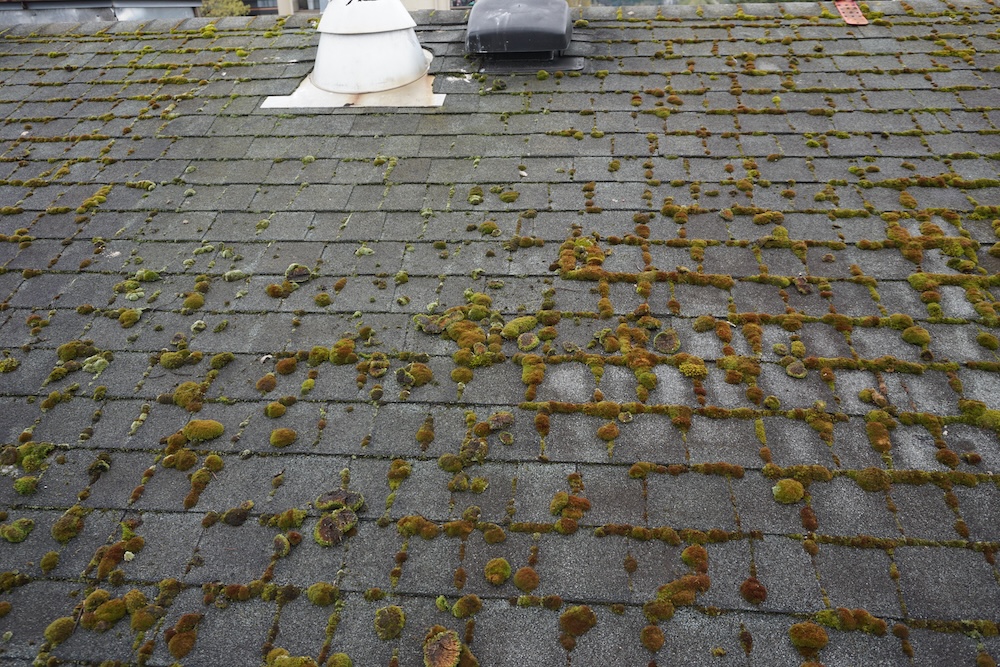
Moss is a simple plant that thrives in damp and shaded environments. It can often be found on rooftops, especially those that do not receive much sunlight. While moss may seem harmless, it can have significant effects on the longevity and integrity of your roof.
The Role of Weather in Moss Growth
The weather plays a pivotal role in the growth of moss on roofs. Understanding how different weather conditions contribute to moss proliferation can help homeowners take preventative measures.
Rain and Humidity
High levels of rain and humidity create an ideal environment for moss growth. Roofs in areas with persistent rainfall or high humidity levels are more susceptible to moss since these conditions provide the moisture that moss needs to thrive.
Cold and Frost
Cold weather, especially when combined with frost, can also contribute to moss growth. Frost can trap moisture on the roof surface, providing moss with the water it needs. Additionally, during winter, roofs may not dry out as quickly, allowing moss to establish itself more easily.
Shade and Lack of Sunlight
Roofs that are shaded by trees or other structures receive less sunlight, which can hinder the evaporation of moisture. This lack of sunlight creates a hospitable environment for moss to flourish.
Potential Damage Caused by Roof Moss
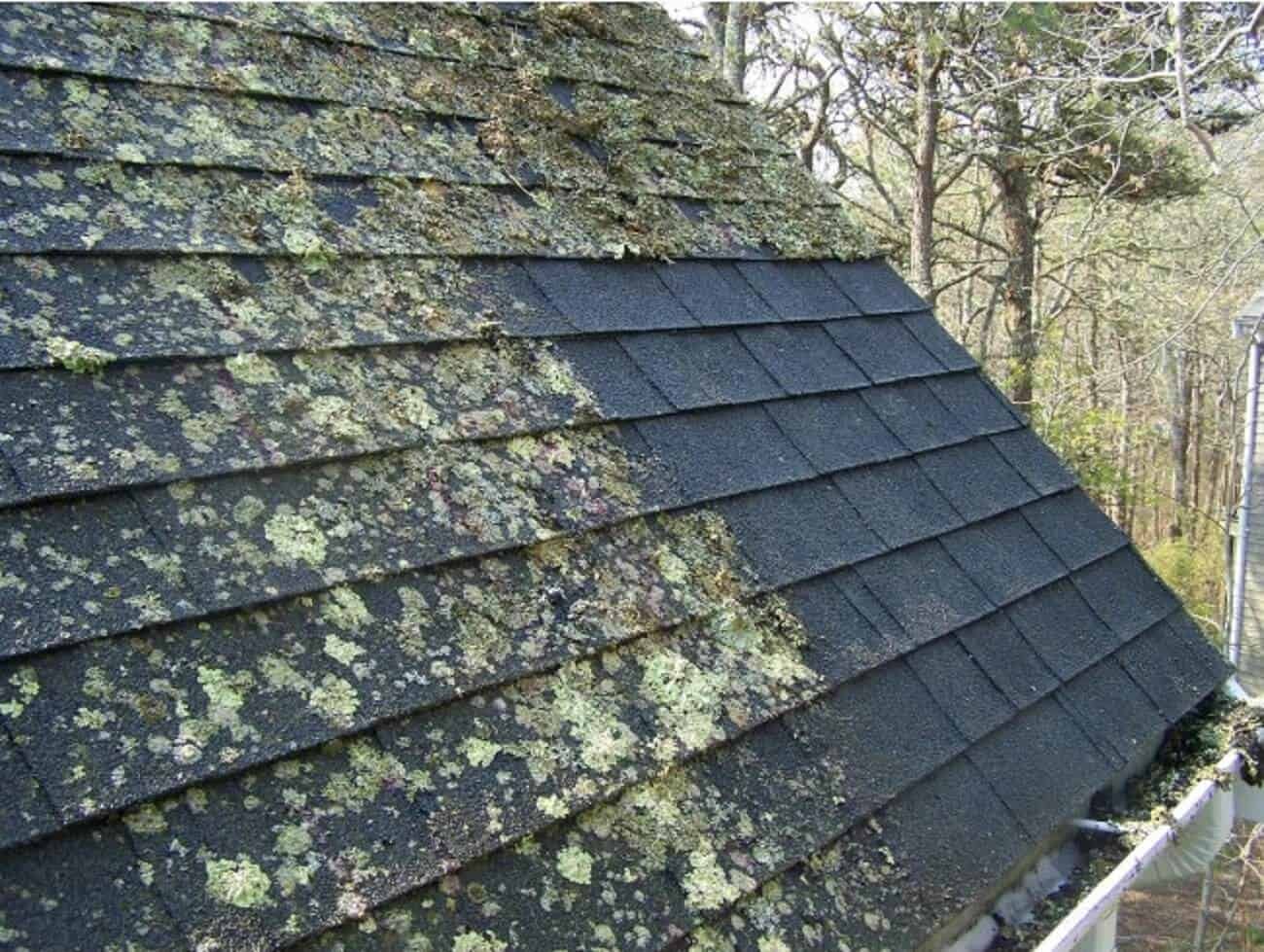
While moss itself is not inherently damaging, its presence can lead to several issues that might compromise the integrity of your roof.
Water Retention
Moss acts like a sponge, absorbing water and keeping the roof damp longer than it should be. This prolonged moisture can lead to the deterioration of roofing materials over time.
Structural Damage
As moss grows, it can lift shingles and tiles, allowing water to seep underneath. This can lead to leaks and structural damage, potentially requiring costly repairs.
Moss and Roof Leaks
Learn more about moss and roof leaks and how they can be prevented with proper maintenance.
Preventative Measures and Solutions
Preventing the growth of moss on your roof is key to maintaining its longevity and avoiding costly repairs. Here are some effective strategies:
Regular Roof Inspection
Conducting regular roof inspections can help identify potential moss growth before it becomes a significant issue. During these inspections, look for signs of dampness, discoloration, or actual moss patches.
Trimming Overhanging Branches
By trimming branches that hang over the roof, you can increase sunlight exposure and reduce shade, which can help prevent moss growth.
Cleaning and Maintenance
Regular cleaning can help keep moss at bay. Using a brush or spray method can effectively remove existing moss and prevent new growth.
Applying Moss-Resistant Products
There are products available that can be applied to roofs to inhibit moss growth. These can be particularly useful in areas where weather conditions are ideal for moss proliferation.
Long-Term Solutions for Homeowners
In addition to preventative measures, there are long-term solutions that can be implemented to protect roofs from moss damage.
Investing in Moss-Resistant Roofing Materials
When installing a new roof, consider investing in moss-resistant materials. These materials are designed to resist moisture and inhibit moss growth, providing long-term protection.
Professional Roof Cleaning Services
For those who prefer not to tackle roof cleaning themselves, hiring professional services can ensure that the job is done safely and effectively.
Moss and Home Inspections
During home inspections, ensure that moss is checked as a part of the overall roof assessment. Home inspections can help identify moss-related issues early on.
Conclusion
Understanding the roof moss weather impact is vital for maintaining the health of your roof. By taking proactive measures and staying informed, homeowners can protect their roofs from the potential damage caused by moss and ensure their homes remain safe and sound.
FAQs
Why does moss grow on some roofs and not others?
Moss growth depends on various factors such as weather conditions, roof material, and exposure to sunlight. Roofs in shaded, damp areas are more likely to develop moss.
Can moss damage my roof permanently?
If left untreated, moss can cause significant damage over time by lifting shingles and creating leaks. Regular maintenance can prevent this.
What are some natural ways to remove moss from my roof?
Using a mixture of water and vinegar or baking soda can be an effective natural solution for removing moss. Ensure to apply it carefully to avoid damaging the roof.
For more detailed insights on moss removal, you can visit this [external source](https://legacyusa.com/article/moss-on-roof-how-to-remove-and-prevent/) for additional guidance.
This article contains affiliate links. We may earn a commission at no extra cost to you.


