


When it comes to maintaining the longevity and aesthetics of your home, understanding the differences between roof moss and roof lichen is crucial. Both can affect your roof’s health, but they have distinct characteristics and implications. As a homeowner, knowing how to identify and manage these common roof growths can save you time and money in the long run. This article will guide you through everything you need to know about roof moss vs roof lichen.
What is Roof Moss?
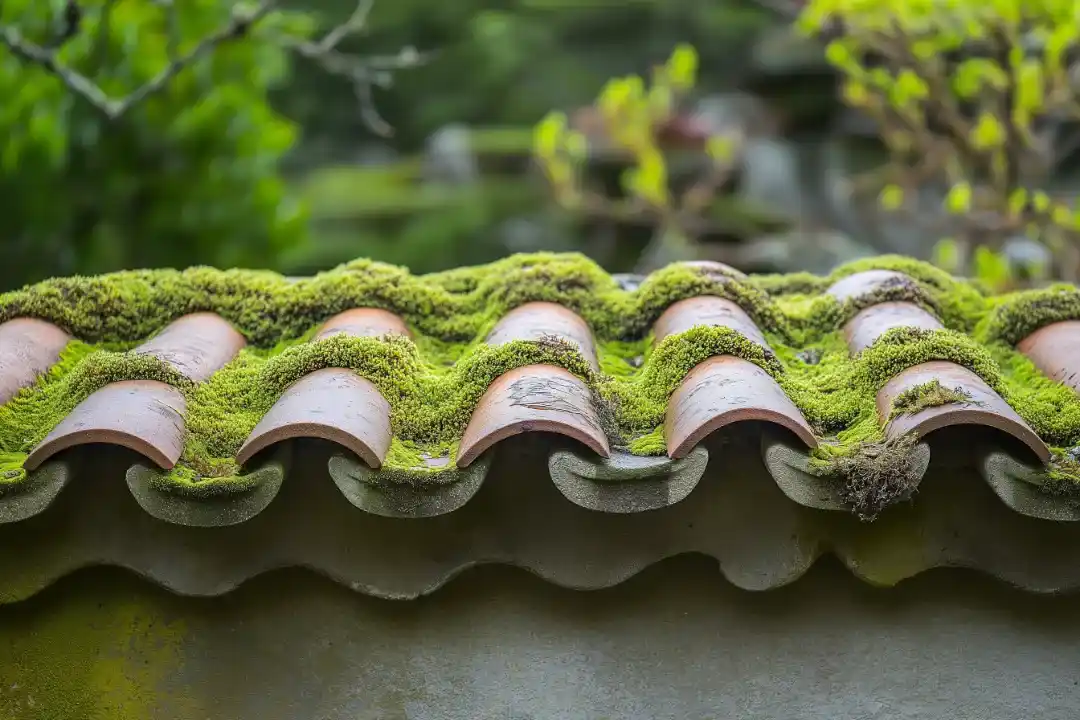
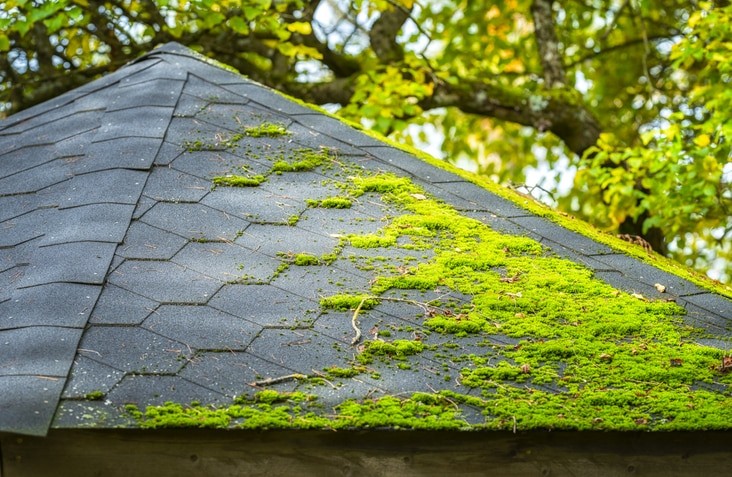
Roof moss is a small, green plant that grows in moist and shaded environments. It can often be found on roofs that are shaded by trees or buildings. Moss can retain moisture, leading to potential damage to roofing materials over time. Its important to note that not all moss is harmful, but when left unchecked, it can lead to significant roof decay.
What is Roof Lichen?
Roof lichen is a combination of algae and fungi living symbiotically. It appears as crusty growths that can be white, green, or yellow and adhere tightly to roof surfaces. Unlike moss, lichens do not hold moisture but can cause discoloration and may be more difficult to remove.
Impact on Roof Longevity
Both moss and lichen can impact the longevity of your roof if not managed properly. Moss can cause moisture retention, leading to the deterioration of roofing materials. Lichen, while not retaining moisture, can cause slight damage and discoloration. Regular maintenance and cleaning are key to preventing these growths from causing significant damage. For more information on maintaining your roof, check out roof maintenance tips.
Identifying Moss vs Lichen
Identifying the differences between roof moss and roof lichen is essential in determining the appropriate removal technique. Moss is typically fluffy and green, while lichen appears as a flat, crusty growth. If you’re unsure, it’s best to consult a professional to assess the situation.
Removal Techniques
Moss removal often involves the use of brushes or specialized moss removal sprays. It’s important to choose a method that won’t damage your roofing material. For more details, see our guide on moss brush vs spray techniques. Removing lichen can be more challenging, often requiring the use of chemical treatments designed specifically for lichen removal.
Prevention
Prevention is key in managing both moss and lichen. Regular roof inspections and maintenance can prevent these growths from establishing. Consider trimming overhanging branches to reduce shade and improve sunlight exposure on your roof. For more insights, read about roof inspections.
Environmental Considerations
When choosing removal methods, it’s important to consider the environmental impact. Some chemical treatments can harm the surrounding environment, so opting for eco-friendly solutions is advisable. Additionally, some homeowners may appreciate the aesthetic of moss and lichen and choose to manage rather than remove it entirely.
Professional Help
If youre uncomfortable handling roof maintenance yourself, hiring a professional can ensure the job is done safely and effectively. Professional services can offer tailored solutions based on the specific needs of your roof.
Cost Implications
The cost of removing moss and lichen can vary based on the extent of the growth and the chosen removal method. Investing in regular maintenance can prevent costly repairs in the future. To understand more about how moss affects roof repairs, visit roof moss and leaks.
Common Myths
There are several myths surrounding moss and lichen on roofs. Some believe that all moss and lichen are harmful, which is not always the case. Understanding the facts can help you make informed decisions about your roof care.
Health Benefits
While moss and lichen are often seen as nuisances, they can offer environmental benefits. They can contribute to biodiversity and provide habitats for small organisms. However, balance is key to ensuring they don’t harm your roof.
Long Term Solutions
Implementing long-term solutions is crucial for maintaining a healthy roof. Regular cleaning, proper ventilation, and using quality roofing materials can help prevent moss and lichen growth. For a detailed timeline of moss growth and prevention, see moss growth timeline.
Conclusion
Understanding the differences between roof moss and roof lichen is essential for homeowners looking to maintain their roofs. Regular maintenance, proper identification, and choosing the right removal methods can significantly impact your roof’s longevity. For more information on how to manage roof moss and lichen, consider reading additional resources such as Why Does My Roof Have Moss?.
FAQs
What is the main difference between moss and lichen?
The primary difference lies in their composition; moss is a plant, while lichen is a symbiotic relationship between algae and fungi.
Can moss and lichen damage my roof?
Yes, both can potentially damage your roof if left unchecked. Moss retains moisture, leading to decay, while lichen can cause discoloration and minor damage.
How often should I inspect my roof for moss and lichen?
Regular inspections, at least twice a year, can help prevent significant growth and damage.
This article contains affiliate links. We may earn a commission at no extra cost to you.


