Understanding the Basics: Roof Moss vs Black Streaks
When it comes to maintaining your home’s aesthetic appeal and structural integrity, understanding the differences between roof moss and black streaks is essential. Both issues can affect the appearance and condition of your roof, but they are caused by different factors and require different solutions.
Homeowners are often perplexed when they notice discoloration on their roofs. Is it roof moss or are those black streaks? Knowing the answer can save you time, effort, and money in the long run. This article aims to provide a comprehensive guide to help you understand the nature of these problems and how to address them effectively.
What Causes Roof Moss?
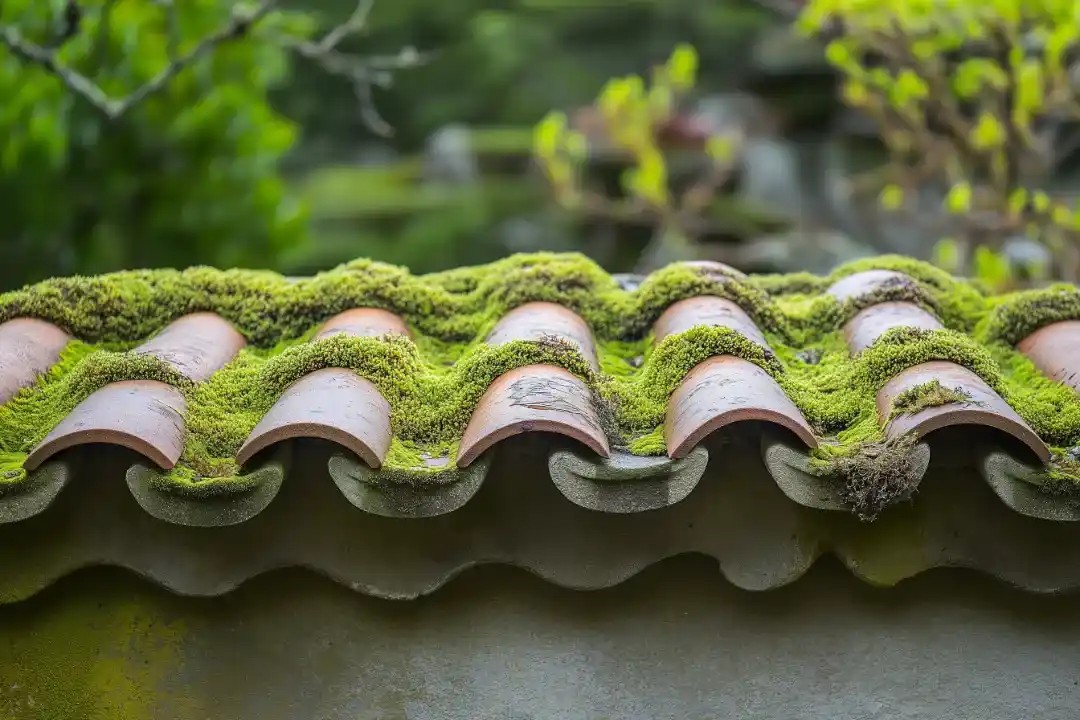
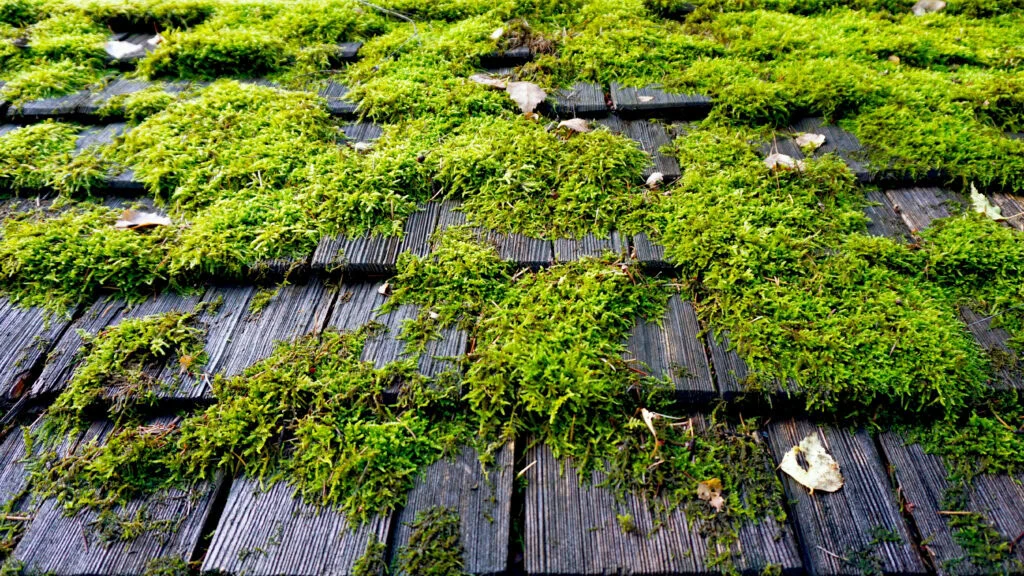
Roof moss thrives in damp, shaded environments. It is a type of simple plant that can grow on almost any surface, but it is particularly fond of roofs. Moss spores are carried by the wind and can land on your roof, where they can grow if conditions are favorable. Moss retains moisture, which can lead to roof damage over time if not properly managed.
Effects of Roof Moss
The presence of roof moss can cause several issues. It can lift shingles, allowing water to seep underneath, leading to leaks and water damage. Moss also creates a conducive environment for algae and other plants to grow, compounding the problem. For more detailed information on the impact of moss, you can visit our section on roof moss and leaks.
What Are Black Streaks?
Unlike roof moss, black streaks are usually caused by a type of algae called Gloeocapsa Magma. This algae feeds on the limestone filler commonly used in shingles. As it grows, it creates dark streaks on your roof. These streaks are most noticeable in humid climates where the algae thrive.
Effects of Black Streaks
While black streaks may not directly damage your roof, they can significantly reduce your home’s curb appeal. The streaks absorb heat, which can increase cooling costs during the summer months. It’s essential to address them to maintain the efficiency and appearance of your roof.
Comparing Solutions: Roof Moss vs Black Streaks
Removing Roof Moss
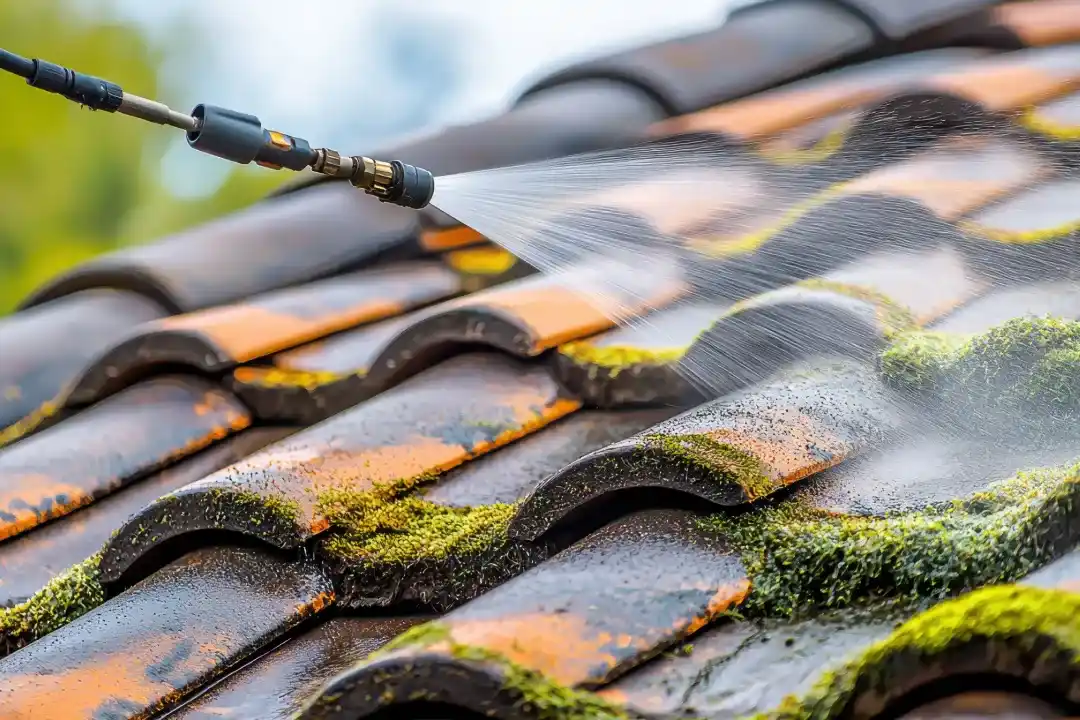
Removing roof moss requires a careful approach to avoid damaging the roof’s surface. Physical removal methods, such as using a soft brush, can be effective but time-consuming. Chemical treatments can also be used to kill moss, but it’s crucial to choose solutions that won’t harm your roof or the environment. Explore our guide on roof moss brush vs spray methods for more insights.
Eliminating Black Streaks
To remove black streaks, specialized roof cleaning solutions that contain algaecides are often used. These treatments can effectively kill the algae and prevent it from returning. Regular maintenance and cleaning can also help in preventing the recurrence of these unsightly streaks.
Preventive Measures for Roof Moss and Black Streaks
Preventing Roof Moss
Preventing roof moss involves regular roof maintenance and ensuring proper drainage to avoid moisture accumulation. Trimming overhanging branches can reduce shade and increase sun exposure, making the roof less hospitable to moss. For more tips on prevention, check out our article on roof maintenance after moss removal.
Preventing Black Streaks
Installing copper or zinc strips at the roof’s peak can help prevent the growth of algae, as these metals have natural algaecidal properties. Ensuring proper roof ventilation can also reduce humidity levels and prevent the growth of black streaks.
Why Addressing These Issues Matters
Ignoring roof moss and black streaks can lead to more significant problems down the road. They can affect your home’s aesthetic appeal, reduce energy efficiency, and even lead to structural damage if left unchecked. Addressing these issues promptly can save you money and extend the lifespan of your roof.
Conclusion
Understanding the difference between roof moss and black streaks is crucial for maintaining your home’s roof. By taking preventative measures and addressing issues as they arise, you can protect your investment and ensure your home remains beautiful and functional. For more information on roofing issues, you might want to read this external guide on whether roof moss indicates a need for replacement.
Frequently Asked Questions
What is the main cause of roof moss?
Moss primarily grows in damp, shaded environments. Reducing moisture and increasing sunlight exposure can help prevent its growth.
Can black streaks damage my roof?
While they primarily affect appearance, black streaks can also lead to higher energy costs by absorbing more heat.
How often should I clean my roof?
Regular cleaning every few years can help prevent the buildup of moss and black streaks.
This article contains affiliate links. We may earn a commission at no extra cost to you.