For homeowners, dealing with roof moss urban home problems can be both challenging and crucial. Roof moss, often underestimated, can lead to significant issues if not addressed in a timely manner. This article seeks to enlighten homeowners about the perils of roof moss, especially in urban settings, and offer practical solutions to manage and prevent its growth. Understanding the nature of roof moss and its impact on urban homes is essential for maintaining a healthy and safe living environment.
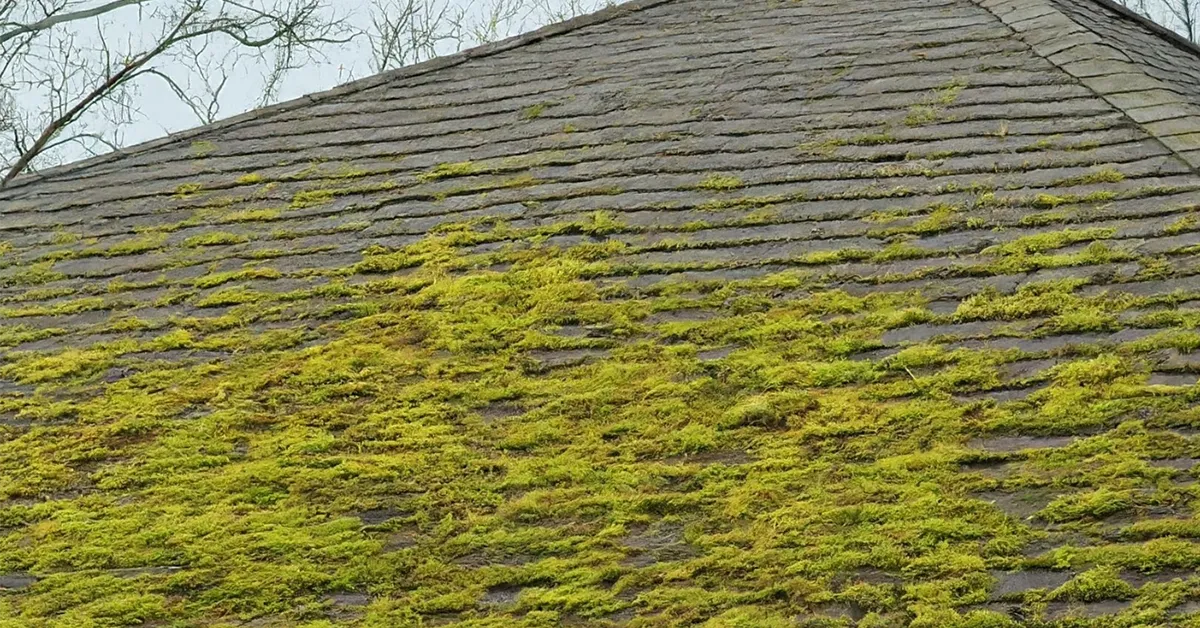
Why Roof Moss is a Concern for Urban Homes
Urban environments present unique challenges when it comes to maintaining a home. With buildings in close proximity and limited green spaces, the conditions often favor the growth of roof moss. The damp and shaded environments typical of urban areas make them a perfect breeding ground for moss. This growth is not just an aesthetic issue; it poses serious risks to the structural integrity of roofs.
The Impact of Roof Moss on Home Structure
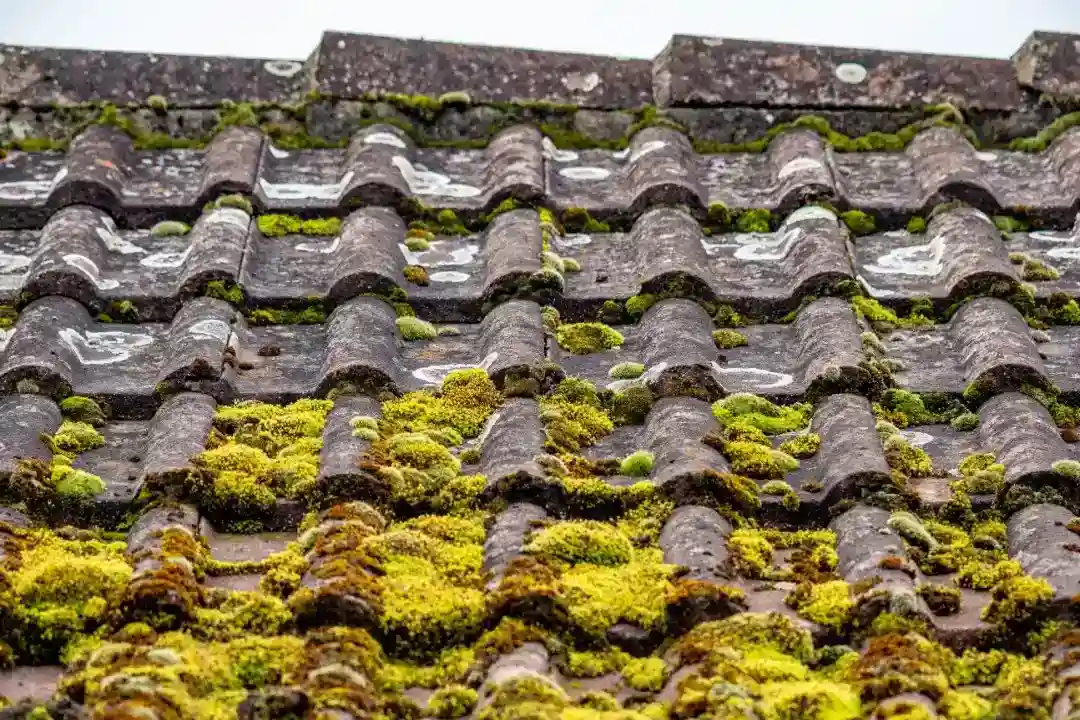
Moss retains moisture, which can lead to a myriad of problems for roofing materials. It can cause shingles to lift or crack, leading to leaks and water damage. Over time, this can compromise the structural integrity of the roof, necessitating costly repairs or even a full roof replacement. Homeowners must be vigilant in recognizing early signs of moss growth to mitigate these risks effectively.
Common Causes of Roof Moss in Urban Settings
Several factors contribute to the prevalence of roof moss in urban areas. Understanding them can help homeowners take preventive measures:
Environmental Factors
Urban areas often experience higher levels of moisture due to concrete surfaces and limited drainage. This moisture, combined with shade from tall buildings, creates an ideal environment for moss proliferation. Additionally, pollution can create acidic conditions that favor moss growth.
Lack of Maintenance
In busy urban lifestyles, regular roof maintenance may be overlooked. Leaves, debris, and dirt accumulation can trap moisture, providing the perfect conditions for moss to thrive. Regular cleaning and inspections are crucial to prevent moss from taking hold.
Solutions for Managing Roof Moss
Tackling roof moss urban home problems requires a strategic approach. Here are some effective solutions:
Regular Roof Inspections
Scheduling annual or bi-annual roof inspections can help catch moss growth early. Professional inspectors can identify and address any potential issues before they escalate.
Cleaning and Maintenance
Regular cleaning of the roof surface to remove debris and dirt is essential. Homeowners can use specialized tools or hire professionals to ensure thorough cleaning. For safe and effective cleaning techniques, refer to this roof moss dos and don’ts guide.
Preventive Treatments
Applying chemical treatments that inhibit moss growth can be beneficial. These treatments form a protective barrier, preventing moss from establishing itself on the roof surface.
Benefits of Professional Moss Removal
While DIY solutions may be tempting, professional moss removal offers numerous benefits. Experts have the tools and expertise to remove moss effectively without damaging the roof. They can also apply preventative treatments to safeguard against future growth. For more information on professional approaches, visit this external resource.
FAQ Section
What is the best time to remove roof moss?
The best time to remove roof moss is during the late spring or early summer when the weather is dry, making it easier to clean the roof without the interference of rain.
Can roof moss cause leaks?
Yes, if left untreated, roof moss can cause shingles to lift, leading to potential leaks and water damage over time.
Is it safe to remove moss myself?
While it is possible to remove moss yourself, hiring a professional is recommended to avoid damaging the roof and for effective moss removal.
This article contains affiliate links. We may earn a commission at no extra cost to you.