


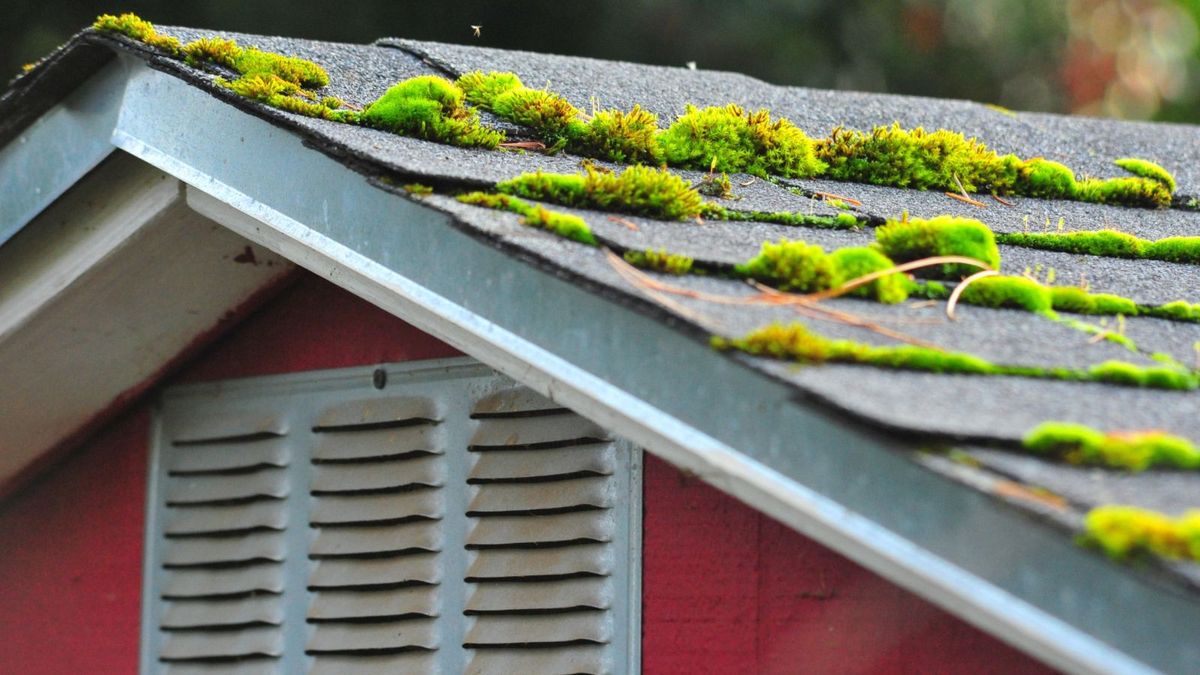
Understanding the roof moss thriving conditions is crucial for homeowners aiming to maintain a healthy and long-lasting roof. Moss can be a silent yet persistent adversary, often appearing unexpectedly and spreading quickly. As it takes hold, it can cause significant damage if not addressed in a timely manner.
In this article, we’ll explore what makes moss thrive on roofs, providing valuable insights for homeowners on how to manage and prevent its growth effectively.
What is Roof Moss?
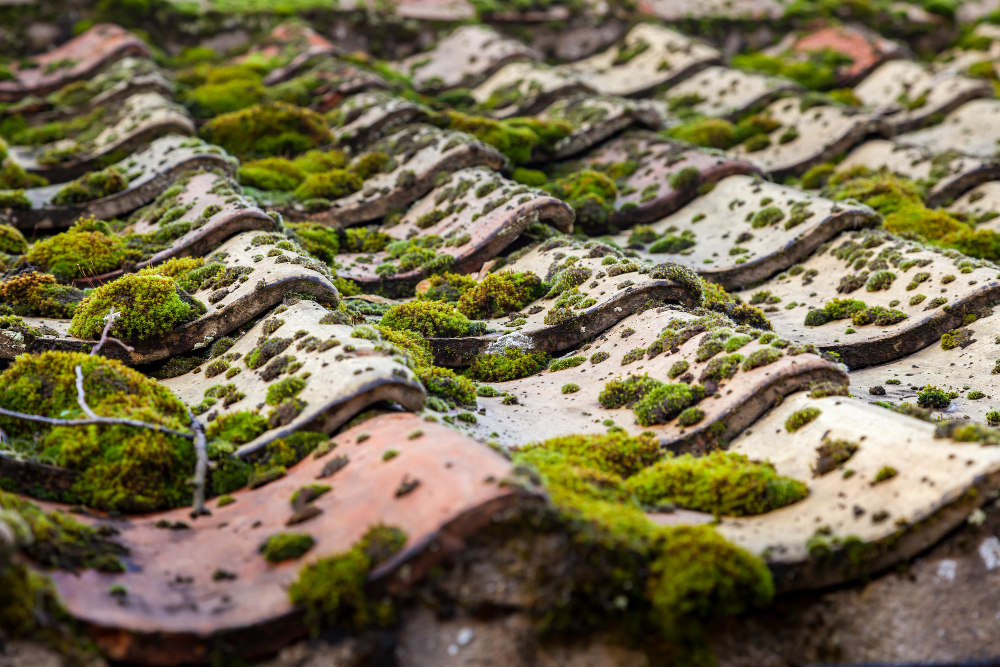
Roof moss is a type of plant that tends to grow in damp, shaded environments. It consists of small, flowerless plants that typically form dense green clumps or mats. While moss may look harmless, its presence on roofs can lead to structural damage over time.
Why Does Moss Thrive on Roofs?
Moss thrives on roofs due to several key factors, primarily related to moisture and shade. Understanding these factors can help homeowners take proactive measures to prevent its growth.
Moisture
Moisture is the primary driver of moss growth. Roofs that retain water due to poor drainage or accumulation of debris provide an ideal environment for moss to thrive. This is why regular cleaning and maintenance are crucial.
Shade
Shaded areas on roofs, often caused by overhanging trees or structures, limit sunlight exposure. Moss flourishes in such conditions, as direct sunlight can dry out and inhibit its growth.
Surface Texture
Rough and porous surfaces, such as certain types of shingles, can encourage moss growth by trapping moisture. Understanding the type of roofing material can help in identifying potential risk areas.
Effects of Moss on Roofs
The presence of moss on roofs is not merely an aesthetic issue. It can have significant implications for the structural integrity and lifespan of the roofing system.
Water Retention
Moss can retain water, increasing the weight load on the roof and potentially leading to leaks or water damage. This water retention can also cause the underlying materials to rot.
Damage to Shingles
The roots of moss can lift and damage shingles, exposing the roof to the elements and increasing the risk of further damage.
Prevention and Maintenance
Prevention is the best defense against moss growth. Here are some effective strategies for homeowners:
Regular Cleaning
Regular cleaning of the roof surface, gutters, and downspouts can prevent debris accumulation, reducing the opportunity for moss to take hold.
Trim Overhanging Trees
Trimming trees that overhang the roof can reduce shade and increase sunlight exposure, inhibiting moss growth.
Use of Chemical Treatments
Chemical treatments, such as moss killers, can be applied to prevent and eliminate moss. It’s essential to follow manufacturer instructions to avoid damage to the roof.
Professional vs. DIY Roof Moss Removal
Homeowners face the decision of whether to tackle moss removal themselves or hire professionals. Both approaches have pros and cons to consider.
DIY Approach
For those who choose a DIY approach, resources like roof moss DIY tips can be invaluable. This path can be cost-effective but requires careful attention to safety and technique.
Professional Services
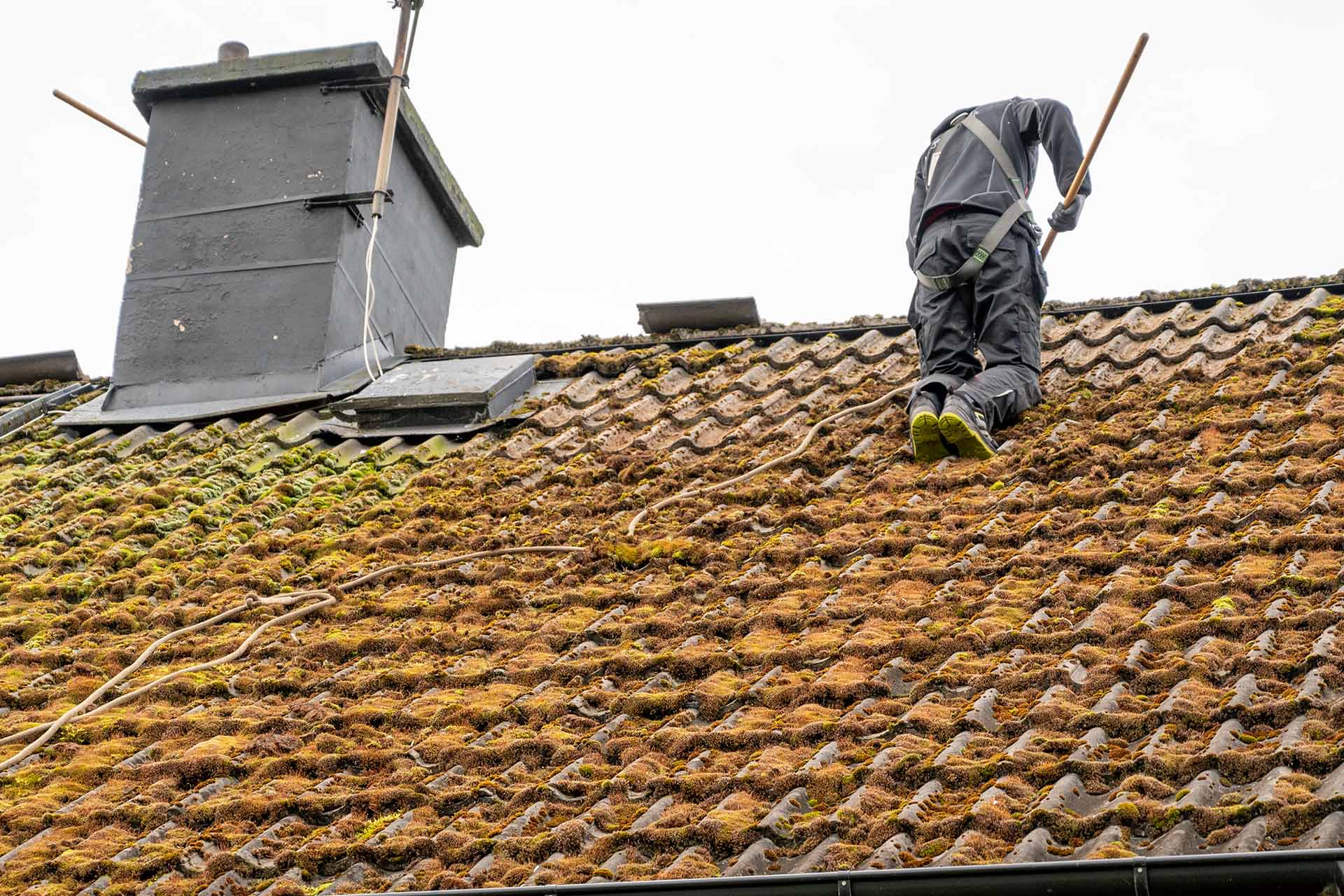
Hiring professionals ensures the job is done safely and effectively. They have the necessary tools and expertise to address moss without damaging the roof. Learn more about DIY vs. professional cleaning to make an informed decision.
Conclusion
Moss growth on roofs is a common issue that requires attention to prevent damage and extend the life of the roof. By understanding the conditions that allow moss to thrive and taking proactive measures, homeowners can protect their investment.
FAQs
Why is moss bad for roofs?
Moss retains moisture, which can lead to water damage and structural issues over time.
How can I prevent moss growth?
Regular maintenance, trimming overhanging trees, and using chemical treatments can help prevent moss.
Should I hire a professional for moss removal?
Professional services often offer a safer and more effective solution for moss removal, especially for extensive infestations.
This article contains affiliate links. We may earn a commission at no extra cost to you.


