


Maintaining a clean roof is crucial for the longevity of your home. One of the most effective ways to ensure your roof remains in top condition is through roof moss soft washing. This method not only preserves the integrity of your roof but also enhances the overall appearance of your home. In this roof moss soft washing guide, we’ll explore everything homeowners need to know about this important maintenance task.
Why Roof Moss is a Problem
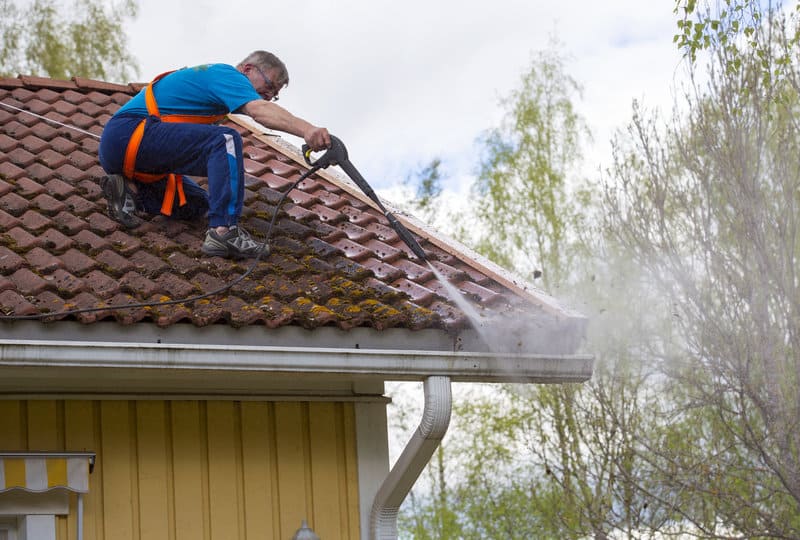
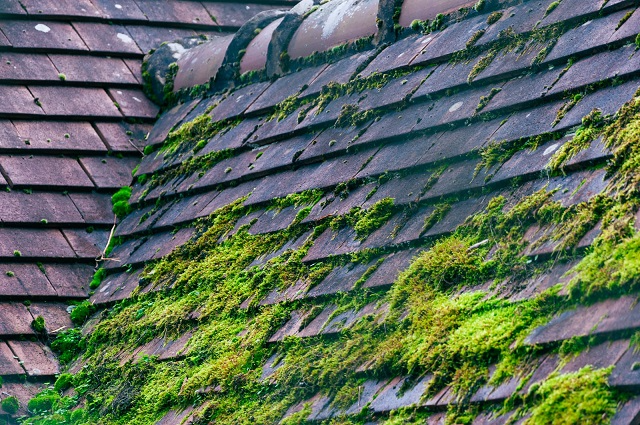
Moss growth on roofs can lead to several issues. It retains moisture, which can cause shingles to deteriorate, leading to leaks and structural damage. Furthermore, moss can make your roof look unsightly, reducing your home’s curb appeal. Understanding the importance of removing moss is the first step in maintaining a healthy roof.
What is Soft Washing?
Soft washing is a cleaning method that uses low-pressure water combined with cleaning solutions to effectively remove dirt, algae, and moss from roof surfaces. Unlike pressure washing, soft washing is gentle and doesn’t risk damaging roof shingles. This makes it an ideal choice for homeowners looking to clean their roofs without causing harm.
The Benefits of Soft Washing
Soft washing offers several benefits. It is environmentally friendly, uses less water, and effectively eliminates moss and algae without damaging your roof. Additionally, soft washing prolongs the life of your roofing materials, saving you money in the long run.
How Often Should You Soft Wash Your Roof?
The frequency of soft washing depends on your local climate and the amount of vegetation around your home. Generally, it’s recommended to soft wash your roof every 1 to 3 years. Regular maintenance can prevent moss growth and extend the life of your roof.
Preparing for a Soft Wash
Before starting a soft wash, inspect your roof for any damage or areas that need repair. Ensure that gutters are clear, and cover any plants or landscaping that might be affected by cleaning solutions. Safety should always be a priority; consider hiring professionals if you’re unsure about doing it yourself.
Choosing the Right Cleaning Solutions
When choosing cleaning solutions, it’s important to select ones that are safe for your roofing materials and the environment. There are many eco-friendly options available that effectively remove moss without causing harm. Always follow the manufacturer’s instructions for the best results.
Step-by-Step Soft Washing Process
Step 1: Mix your cleaning solution according to the instructions. Step 2: Apply the solution to your roof using a soft wash system. Step 3: Allow the solution to sit for the recommended time to effectively loosen moss and algae. Step 4: Rinse the roof thoroughly with low-pressure water to remove all residues.
Post-Wash Care
After the cleaning is complete, inspect your roof for any remaining debris or moss. Check for any potential damage that might have occurred during the process. Regularly check your roof and gutters to ensure they remain free from debris and moss.
Professional Soft Washing Services
If you’re not comfortable performing a soft wash yourself, consider hiring professional services. Professionals have the experience, equipment, and knowledge to safely and effectively clean your roof. They can also provide additional services such as inspecting for potential issues and making necessary repairs.
Cost of Professional Soft Washing
The cost of hiring professionals for soft washing varies depending on the size and condition of your roof. On average, homeowners can expect to pay between $250 and $600 for a professional soft wash. While this may seem like a significant expense, it’s a worthwhile investment in your home’s longevity and appearance.
DIY Soft Washing Tips
If you decide to go the DIY route, ensure you have the proper equipment and safety gear. Use a ladder stabilizer and wear non-slip shoes to prevent accidents. Always follow safety protocols and take your time to ensure a thorough job.
FAQs
What is the best time of year to soft wash my roof?
The best time to soft wash your roof is during dry, mild weather. Avoid washing during rainy or extremely hot periods.
Can soft washing damage my roof?
No, soft washing uses low pressure and is designed to be gentle on roofing materials. It is a safe method for cleaning roofs.
How do I know if my roof needs soft washing?
Signs that your roof needs soft washing include visible moss, algae growth, and dark streaks. Regular inspections can help you determine when it’s time for a cleaning.
Conclusion
Roof moss soft washing is an essential task for homeowners looking to maintain the integrity and appearance of their roofs. By understanding the process and benefits of soft washing, you can ensure your roof remains in excellent condition for years to come. Whether you choose to do it yourself or hire professionals, regular soft washing is a smart investment in your home’s future.
For more information on maintaining your roof, check out Roof Moss and Home Inspections or learn about Eco-Friendly Roof Moss Removal.
For additional reading, you can visit How to Remove Moss from Roof for more tips on roof maintenance.
This article contains affiliate links. We may earn a commission at no extra cost to you.


