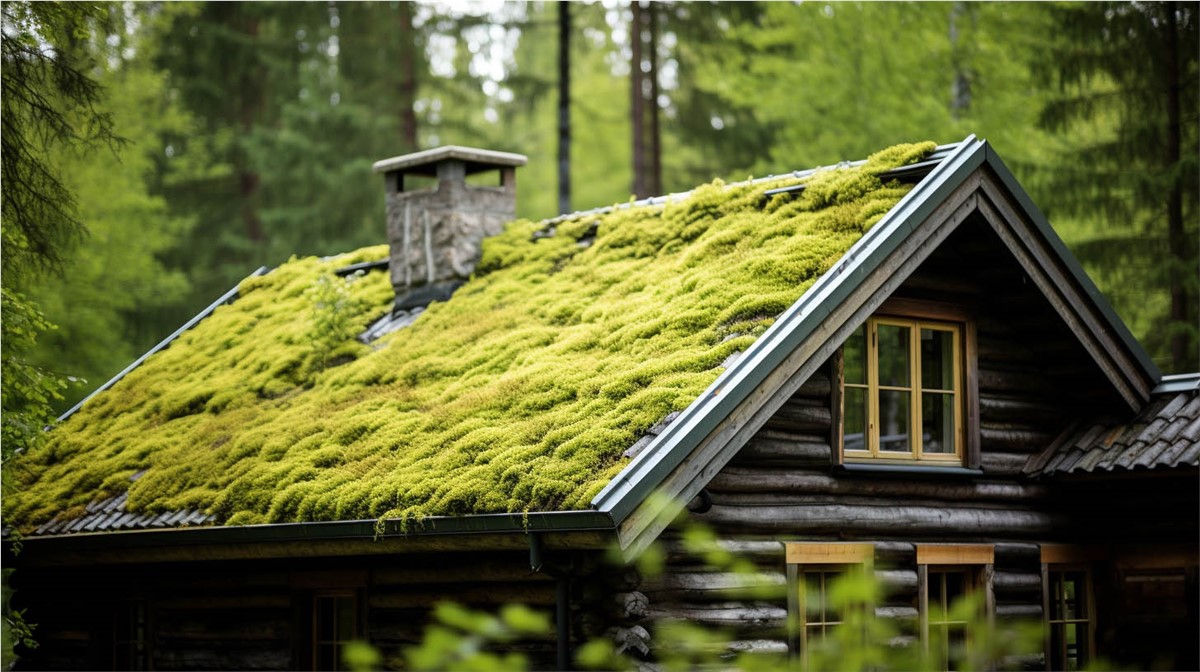
Many homeowners encounter the pesky problem of moss growing on their roofs. Moss can lead to various issues if left unchecked, from damaging the roof structure to reducing its lifespan. In this article, we will delve into the simple science behind roof moss and explore effective methods to manage and prevent its growth.

What is Moss and Why Does it Grow on Roofs?
Moss is a small, flowerless plant that typically grows in dense green clumps or mats, often in damp or shady locations. It thrives on roofs because these surfaces often provide the ideal conditions for moss to grow: moisture, shade, and a rough surface that allows it to anchor itself.
The Science Behind Moss Growth
The growth of moss on roofs is largely influenced by environmental factors. Moss requires moisture to survive and reproduce, so it often appears on roofs in regions with high humidity or frequent rainfall. The lack of direct sunlight in shaded areas also fosters moss growth, as does the presence of organic material like leaves or dirt that can trap moisture on the roof surface.
The Impact of Moss on Roofs
Moss is not just an aesthetic issue; it can cause significant damage to roofs over time. The root-like structures of moss can lift and crack shingles, allowing water to seep underneath. This can lead to leaks, rot, and even structural damage if not addressed promptly. Moreover, the presence of moss can accelerate the deterioration of roofing materials, ultimately shortening the roof’s lifespan.
Why Homeowners Should Be Concerned
For homeowners, understanding the impact of moss on their roofs is crucial. Not only does moss compromise the integrity of the roof, but it can also decrease the property value. Regular roof maintenance is essential to prevent costly repairs or even a full roof replacement.
Methods to Remove and Prevent Roof Moss
There are several approaches to remove and prevent moss from growing on your roof. It’s important to choose a method that is safe for both the roof and the environment. Here are some effective strategies:
Manual Removal
One of the simplest ways to remove moss is through manual removal. This involves using a brush or scraper to gently detach the moss from the roof surface. It is important to exercise caution to avoid damaging the shingles. This method is best suited for small areas with minimal moss growth.
Chemical Treatments
Chemical treatments specifically designed for moss removal can be applied to the roof to kill and prevent moss growth. It’s crucial to select products that are environmentally friendly and safe for the roofing material. Always follow the manufacturer’s instructions and consider consulting a professional if you’re unsure about the application.
Pressure Washing
Pressure washing can be an effective way to remove moss, but it should be done with caution. High-pressure water can damage shingles if not used correctly. It is advisable to hire a professional who has the experience and knowledge to safely perform this task.
Preventive Measures
Prevention is key to avoiding moss problems in the future. Regular roof maintenance, such as cleaning gutters and removing debris, can help reduce the conditions that promote moss growth. Additionally, installing zinc or copper strips along the roof ridge can help prevent moss from taking hold.
Common Misconceptions About Roof Moss
There are several misconceptions about roof moss that can lead to ineffective management strategies. Let’s address a few:
Moss is Harmless
Some homeowners believe that moss is merely a cosmetic issue and poses no real threat. However, as discussed earlier, moss can cause serious damage to the roof structure if not addressed.
All Moss Removal Methods are Created Equal
Not all removal methods are suitable for every roof type. It’s important to choose a method that is appropriate for your specific roofing material and environmental conditions.
Expert Advice on Roof Moss Management
For those dealing with persistent moss issues, consulting with a roofing expert can provide valuable insights and solutions. Professionals can assess the condition of your roof and recommend the best course of action to protect your investment.
Read more about roof moss problems

FAQ
Can moss damage my roof?
Yes, over time, moss can damage your roof by lifting shingles and allowing water to penetrate, leading to leaks and structural issues.
How often should I check for moss?
It’s advisable to inspect your roof for moss growth at least twice a year, ideally in the spring and fall.
Is it safe to remove moss myself?
While small patches of moss can be removed manually, it’s often safer and more effective to hire a professional for larger infestations.
For more information on roof moss removal and maintenance, visit Roof Moss Cleaning Frequency and Safe Cleaning Supplies.
This article contains affiliate links. We may earn a commission at no extra cost to you.