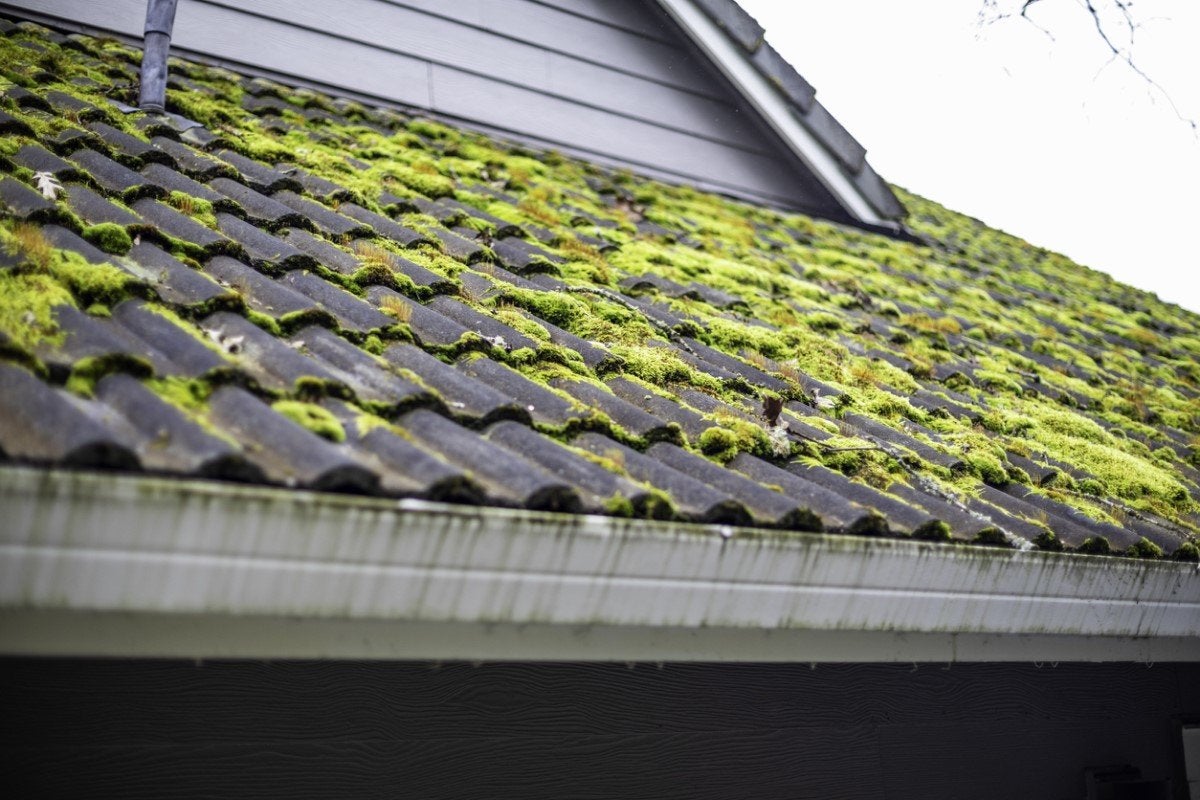
Welcome to the world of roof maintenance, where the challenge of dealing with moss can seem daunting. If you’ve ever gazed up at your roof and noticed unwelcome green patches, you are not alone. Moss can be more than just an aesthetic issue; it can lead to damage if not addressed. This guide will walk you through the best roof moss scraping techniques to keep your roof in pristine condition.
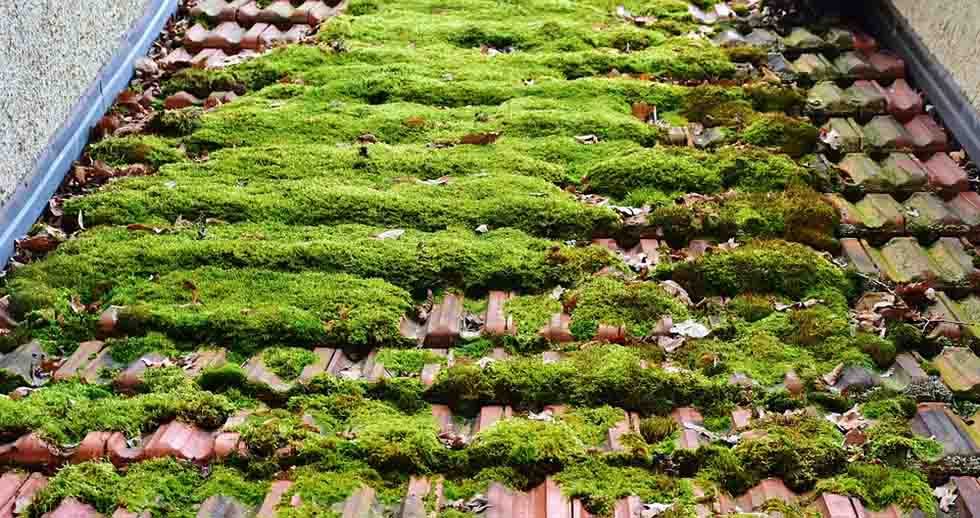
Understanding the Importance of Removing Moss
Moss might look harmless, but it can cause significant problems for homeowners. It retains moisture, which can lead to the deterioration of roofing materials over time. This can result in leaks, structural damage, and costly repairs. Regular maintenance, including moss removal, is crucial for preserving the integrity of your home.
Identifying Moss on Your Roof
Before diving into roof moss scraping techniques, it’s important to confirm the presence of moss. Moss appears as a green, velvety carpet on your roof. It thrives in damp, shaded environments, so if your roof is frequently shaded by trees or other structures, it’s more susceptible to moss growth.
Why Choose Scraping as Your Removal Method?
Scraping is a manual method that allows for precise removal of moss without damaging your roof. It is particularly effective for small to moderate moss infestations. Unlike chemical treatments, scraping has no environmental impact and gives you immediate results.
Essential Tools for Scraping Moss
To successfully scrape moss from your roof, you’ll need a few basic tools:
- Safety Gear: Gloves, goggles, and a sturdy ladder are essential.
- Scraper: A long-handled scraper or a putty knife.
- Brush: A stiff-bristle brush to remove loose moss.
Having the right tools on hand ensures you can tackle the job effectively and safely.
Step-by-Step Guide to Scraping Moss
1. **Safety First**: Ensure your ladder is stable and you’re wearing appropriate safety gear.
2. **Start at the Top**: Begin scraping at the top of the roof and work your way down. This prevents moss from spreading to areas you’ve already cleaned.
3. **Gentle Scraping**: Use your scraper to gently remove moss, taking care not to damage the shingles.
4. **Brush Away Debris**: Once scraped, use the brush to sweep away any remaining moss or debris.
Preventing Future Moss Growth
After successfully removing moss, it’s important to take steps to prevent its return. Consider trimming overhanging branches to allow more sunlight to reach your roof. Regular cleaning and maintenance can also deter moss growth. For more prevention tips, check out this guide on stopping moss.
Common Mistakes to Avoid
As you embark on your moss removal journey, beware of common pitfalls. Avoid using high-pressure washers, as they can damage shingles. Additionally, refrain from using harsh chemicals that can harm the environment. For more details, visit this roof moss removal guide.
Professional Assistance: When to Seek Help
If you’re dealing with an extensive moss problem or feel uncomfortable working on the roof, it might be wise to hire a professional. They have the experience and equipment necessary to safely and effectively remove moss.
Benefits of Professional Services
Hiring professionals can save you time and effort while ensuring the job is done correctly. They can also offer advice on long-term prevention strategies.
Impact of Moss on Roof Inspections
Moss can impact home inspections by obscuring roofing defects. It’s crucial to remove moss before a home inspection to ensure accurate results. Read more about this on roof moss and inspections.
Landlord Responsibilities
For landlords, maintaining the roof is essential for tenant satisfaction and property value. Ensuring roofs are moss-free is part of regular property upkeep. More about landlord responsibilities can be found here.
FAQ
What is the best time of year to remove moss?
The best time to remove moss is during dry seasons when moss is less likely to regrow quickly.
Can I use a power washer to remove moss?
It’s not recommended to use a power washer as it can damage your roof shingles.
How often should I inspect my roof for moss?
Inspect your roof at least twice a year to catch moss early and prevent serious damage.
For more insights on maintaining your roof and keeping it moss-free, visit Pacific Exterior.
This article contains affiliate links. We may earn a commission at no extra cost to you.