


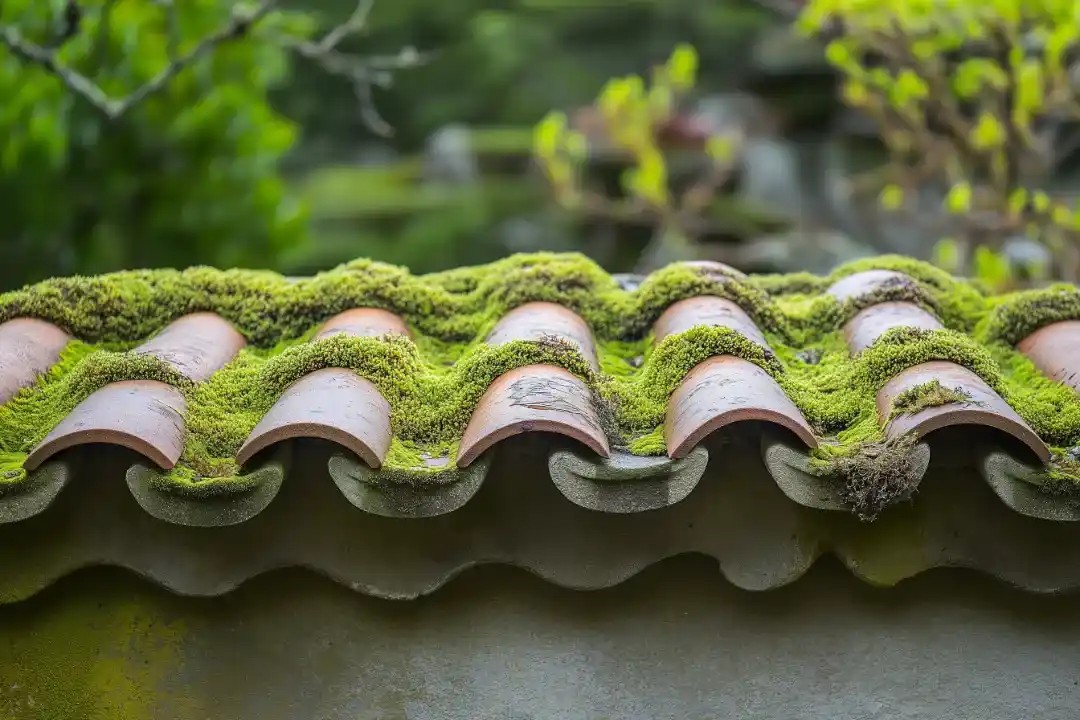
When it comes to maintaining the aesthetics and functionality of your home, a clean roof is crucial. However, many homeowners face the persistent problem of moss growth on their roofs. Finding roof moss safe for plants methods is essential, especially for those who are passionate about gardening and want to ensure their plants are not harmed in the process.

Understanding Roof Moss
Moss thrives in moist, shady environments and can often be seen covering roofs, especially in regions with high humidity and frequent rainfall. While moss can offer a rustic charm, it can damage roofing materials and lead to leaks if left unchecked. It’s important to address moss growth promptly.
Why Choose Plant-Safe Methods?
Traditional moss removal techniques often involve harsh chemicals that can be detrimental to the surrounding flora. By choosing roof moss safe for plants methods, homeowners can effectively manage moss growth without compromising the health of their garden. This approach not only protects the environment but also aligns with sustainable living practices.
Popular Plant-Safe Methods
1. Manual Removal
One of the simplest ways to remove moss is by manually scraping it off. Using a long-handled brush or scraper, you can gently remove moss from the roof surface. This method requires careful handling to avoid damaging shingles but is completely chemical-free and safe for plants.
2. Vinegar Solutions
Vinegar is an effective natural remedy for moss removal. Mixing vinegar with water in a spray bottle and applying it to mossy areas can kill moss without harming plants. Vinegar’s acidity is strong enough to eliminate moss but gentle on your garden.
3. Baking Soda
Baking soda is another household item that serves as a safe alternative for moss removal. Sprinkling baking soda over the moss and leaving it for a few days can dry out the moss, making it easier to remove. It’s a non-toxic method that poses no risk to plants.
4. Moss Removal Services
For homeowners who prefer professional assistance, hiring services that specialize in plant-friendly moss removal can be beneficial. Experts use tailored solutions that effectively remove moss while ensuring no harm comes to the surrounding vegetation. Learn more about the benefits of professional cleaning from the DIY vs Professional Cleaning guide.
Tips for Preventing Moss Growth
1. Increase Sunlight Exposure
Moss thrives in shade, so trimming overhanging branches can increase sunlight exposure and reduce moss growth. This simple step can make a significant difference in maintaining a moss-free roof.
2. Improve Roof Drainage
Ensuring your roof has proper drainage helps keep it dry, making it less hospitable to moss. Regular maintenance of gutters and downspouts is essential for effective water management.
3. Use Moss-Resistant Materials
When replacing roofing materials, consider using moss-resistant options. These materials are treated to prevent moss growth and can save you time and effort in the long run.
Eco-Friendly Advantages
By adopting roof moss safe for plants methods, homeowners contribute to environmental conservation. These methods minimize chemical runoff into the soil and water systems, promoting a healthier ecosystem.
Conclusion
Addressing roof moss doesn’t have to come at the expense of your beloved garden. By utilizing eco-friendly, plant-safe methods, you can maintain a pristine roof and vibrant garden simultaneously. Explore more about DIY Budget Tips for managing roof moss effectively.

FAQ Section
1. Can vinegar harm my plants?
Vinegar, when diluted and used correctly, is safe for plants. It’s important to avoid direct contact with plants and rinse any affected areas with water.
2. How often should I remove moss from my roof?
Regular inspections and annual maintenance can help keep moss at bay. Frequency depends on the climate and the amount of shade your roof receives.
3. Are there any long-term solutions for preventing moss?
Investing in moss-resistant roofing materials and maintaining good drainage can provide long-term solutions for preventing moss growth. For more insights, visit Pacific Exterior.
This article contains affiliate links. We may earn a commission at no extra cost to you.


