Choosing the right roof moss resistant roofing materials is a crucial decision for any homeowner. Not only does it enhance the aesthetic appeal of your home, but it also protects your roof against the persistent problem of moss growth. Moss can be detrimental to roofs, causing damage and reducing their lifespan. Therefore, selecting materials that resist moss is essential for maintaining the integrity of your roof.
In this comprehensive guide, we will explore various roof moss resistant roofing materials available in the market, their benefits, and why they are worth considering for your home. We will also discuss useful tips on maintaining your roof to ensure it remains moss-free.

Why Moss Growth is a Problem
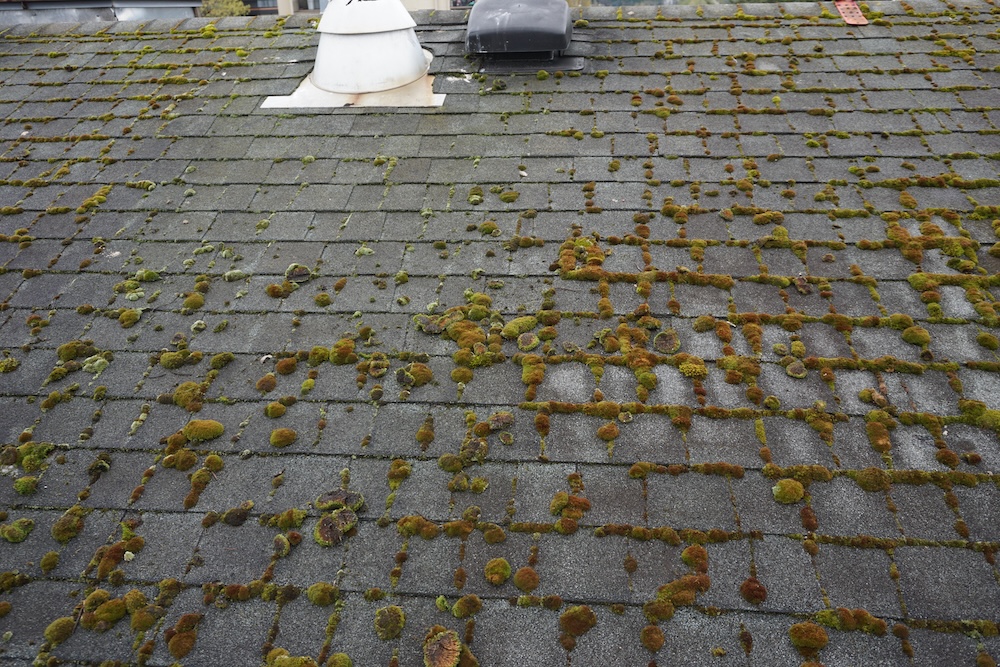
Moss thrives in damp and shaded environments, making rooftops a perfect breeding ground, especially in regions with high humidity. Moss retains moisture, which can lead to roofing materials deteriorating over time. This can result in costly repairs and even compromise the structural integrity of your home.
Impact of Moss on Roofing Materials
Moss can cause shingles to lift, allowing water to seep underneath. This can lead to water damage and leaks. In addition, moss can cause wood to rot and metal to corrode, further damaging your roof.
Types of Roof Moss Resistant Roofing Materials
There are several roof moss resistant roofing materials that homeowners can choose from. Each material offers unique benefits that make them suitable for different climates and architectural styles.
Asphalt Shingles
Asphalt shingles are one of the most popular roofing materials due to their affordability and ease of installation. Many manufacturers now offer moss-resistant asphalt shingles that are treated with special granules to prevent moss growth. These shingles are an excellent choice for homeowners looking for a budget-friendly option without compromising on protection.
Metal Roofing
Metal roofs are naturally resistant to moss due to their smooth surface, which prevents moss spores from taking hold. Additionally, metal roofing is durable and long-lasting, making it a worthwhile investment for homeowners. It is important to ensure that the metal roof is properly coated to enhance its resistance to moss and rust.
Slate Roofing
Slate is a premium roofing material known for its natural beauty and durability. It is naturally resistant to moss due to its dense and non-porous surface. While slate roofing is more expensive, it offers a long lifespan and requires minimal maintenance, making it an excellent choice for homeowners seeking a high-end roofing solution.
Clay and Concrete Tiles
Both clay and concrete tiles are heavy-duty roofing materials that are resistant to moss. Their dense composition and design prevent moss from easily attaching to the surface. These tiles also add an elegant and timeless look to homes, making them a popular choice among homeowners.
Maintaining a Moss-Free Roof
While choosing the right roof moss resistant roofing materials is essential, regular maintenance is equally important to keep your roof moss-free. Here are some tips to consider:
Regular Cleaning
Regularly clean debris, leaves, and branches from your roof to prevent moisture buildup. Use a soft brush or a low-pressure washer to remove any moss that may begin to form. For more details, check out our article on roof maintenance.
Trim Overhanging Branches
Ensure that tree branches are trimmed back to prevent shade and moisture, which encourage moss growth. This allows sunlight to reach the roof and helps keep it dry.
Install Zinc or Copper Strips
Installing zinc or copper strips along the ridge of your roof can prevent moss growth. When it rains, these metals release small amounts of natural moss-killing agents that wash down the roof, inhibiting moss formation.
Common Mistakes to Avoid
When dealing with moss-resistant roofing, avoid these common mistakes to ensure the longevity of your roof:
Using Harsh Chemicals
Avoid using harsh chemicals to remove moss, as they can damage roofing materials and harm the environment. Instead, opt for eco-friendly solutions or consult professionals for safe moss removal techniques.
Ignoring Minor Moss Growth
Do not ignore minor moss growth, as it can quickly spread and become a larger problem. Addressing moss issues early can prevent costly repairs in the future.
Consulting Roofing Professionals
For homeowners who are unsure about the best roof moss resistant roofing materials for their home, consulting with roofing professionals is highly recommended. Professionals can assess your roof’s condition, suggest the best materials, and provide expert installation services. If you’re interested in learning more about roof moss and its implications, visit this external guide.
Conclusion
Investing in roof moss resistant roofing materials is a proactive step towards protecting your home from moss-related damage. With the right materials and regular maintenance, you can ensure your roof remains in excellent condition for years to come. Remember to consult professionals and choose materials that best suit your home’s needs and your budget.
FAQs
What are the most effective moss-resistant roofing materials?
Some of the most effective materials include asphalt shingles, metal roofing, slate, and clay or concrete tiles. Each offers unique benefits in resisting moss growth.
How often should I clean my roof to prevent moss?
Regular roof cleaning should be done at least once or twice a year, depending on your local climate and environmental conditions.
Can moss-resistant roofing materials be installed on any roof type?
Yes, most moss-resistant materials can be installed on various roof types. However, consulting a roofing professional is advisable to ensure compatibility with your roof structure.
This article contains affiliate links. We may earn a commission at no extra cost to you.