


Maintaining a clean and moss-free roof is crucial for every homeowner. **Roof moss removal with rope safety** is an effective method that ensures both the cleanliness of your roof and your personal safety. This technique not only protects your home from potential damage but also prioritizes your well-being as you navigate the heights. Let’s delve into the best practices and essential tips to achieve a safe and thorough moss removal process.
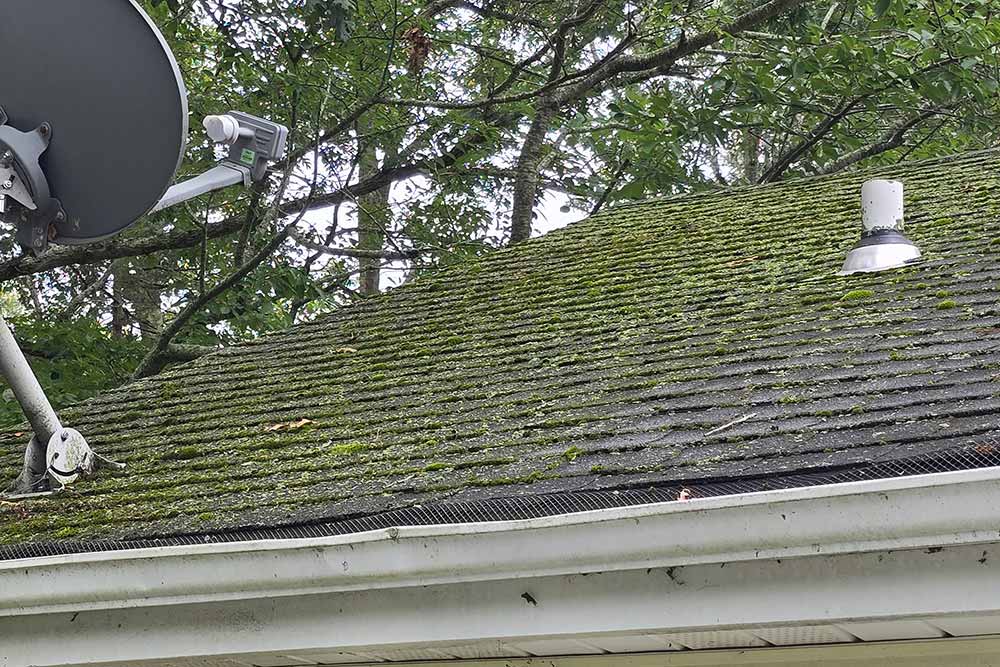
Understanding Roof Moss: Why It Matters
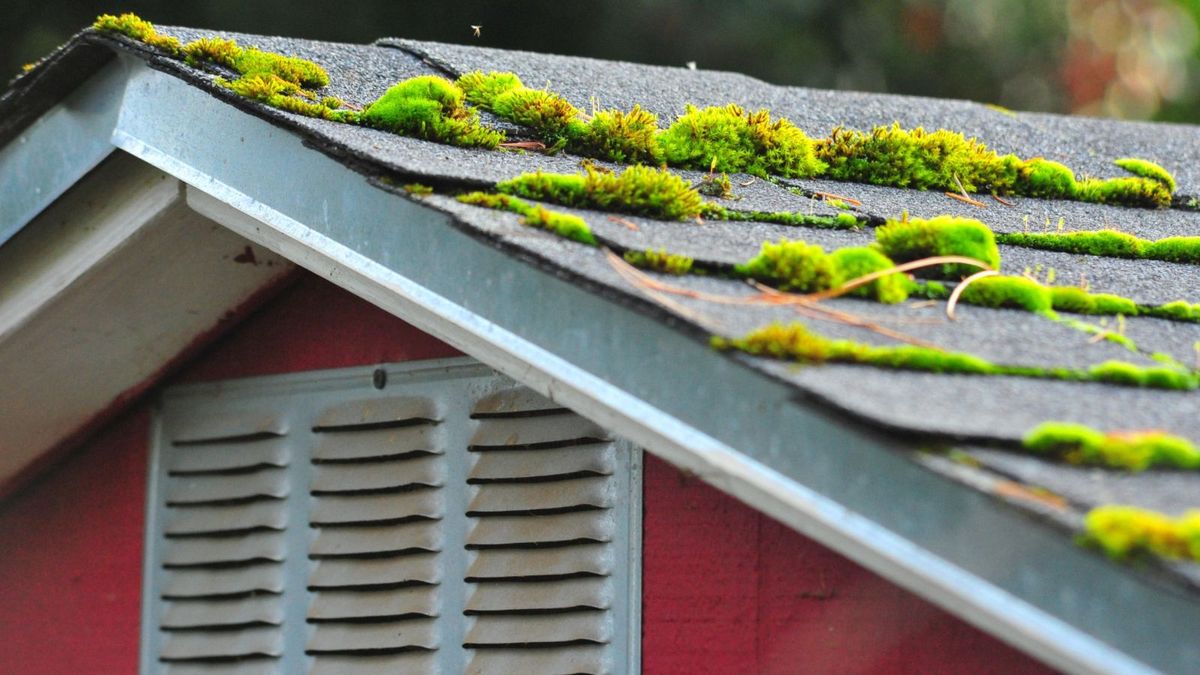
Moss can be a silent enemy to your roof’s integrity. It thrives in damp and shaded areas, slowly creeping across shingles and tiles. As it grows, moss can lift shingles, allowing water to seep underneath and cause leaks. Understanding the importance of **roof moss removal** is the first step towards maintaining a robust roof structure.
The Basics of Rope Safety for Moss Removal
Before embarking on the task of moss removal, it’s essential to understand the basics of **rope safety**. This includes the proper selection of ropes, harnesses, and other safety gear. Ensuring that your equipment is in good condition is crucial for preventing accidents. Engaging with reputable sources on rope safety can provide further insights into the best practices.
Choosing the Right Equipment
Selecting the right equipment is fundamental. Opt for ropes that are designed for climbing and outdoor use. A sturdy harness that fits comfortably is also a must. Additionally, helmet protection cannot be overlooked, as it guards against potential falls or debris.
Setting Up a Secure System
Once your equipment is ready, it’s time to set up a secure system. Anchor your ropes firmly to a stable structure. Test the system’s stability before climbing. This step ensures that you can move across the roof with confidence.
Step-by-Step Guide to Safe Moss Removal
With your safety gear in place, you’re ready to begin the moss removal process. Here’s a step-by-step guide:
1. Assess the Moss Coverage
Begin by assessing the extent of moss coverage on your roof. This helps you plan the amount of time and resources required for the task.
2. Prepare Your Tools
Gather the necessary tools, including a stiff brush, moss removal solution, and protective gloves. Ensure that all tools are within reach before ascending.
3. Apply Moss Removal Solution
Apply a moss removal solution to the affected areas. Allow it to sit for the recommended time to effectively loosen the moss.
4. Gently Scrub the Moss
Using a stiff brush, gently scrub away the loosened moss. Avoid excessive force, as this can damage your roofing material.
5. Rinse and Inspect
After scrubbing, rinse the roof with water to remove any remaining residue. Inspect your work to ensure that all moss has been cleared.
Preventing Future Moss Growth
Preventing future moss growth is as important as the removal process itself. Consider installing zinc or copper strips along your roof ridge. These metals release ions that inhibit moss growth. Regular maintenance, such as trimming overhanging branches, also helps in reducing shade and moisture.
FAQs
Is Roof Moss Harmful?
Yes, roof moss can be harmful as it can lift shingles and cause leaks.
How Often Should I Remove Moss?
Moss should be removed as soon as you notice it. Regular inspections can help in early detection.
Can I Use Household Cleaners?
It’s best to use solutions specifically designed for moss removal to avoid damaging your roof.
For more detailed information on maintaining your roof after moss removal, you can visit [maintain roof after moss removal](https://roof-home.com/how-to-maintain-roof-after-moss-removal/) to ensure your roof stays in good condition.
Additionally, understanding the impact of moss on your roof can be explored further by visiting [Does Moss on Roof Mean It Needs to Be Replaced?](https://www.billraganroofing.com/blog/does-moss-roof-mean-needs-replaced) for expert insights.
This article contains affiliate links. We may earn a commission at no extra cost to you.


