As winter approaches, many homeowners face the challenge of dealing with roof moss. This persistent plant can thrive in the cold months, potentially causing damage to your roof if not addressed properly. Understanding the nature of roof moss in winter is crucial for maintaining the integrity of your home.
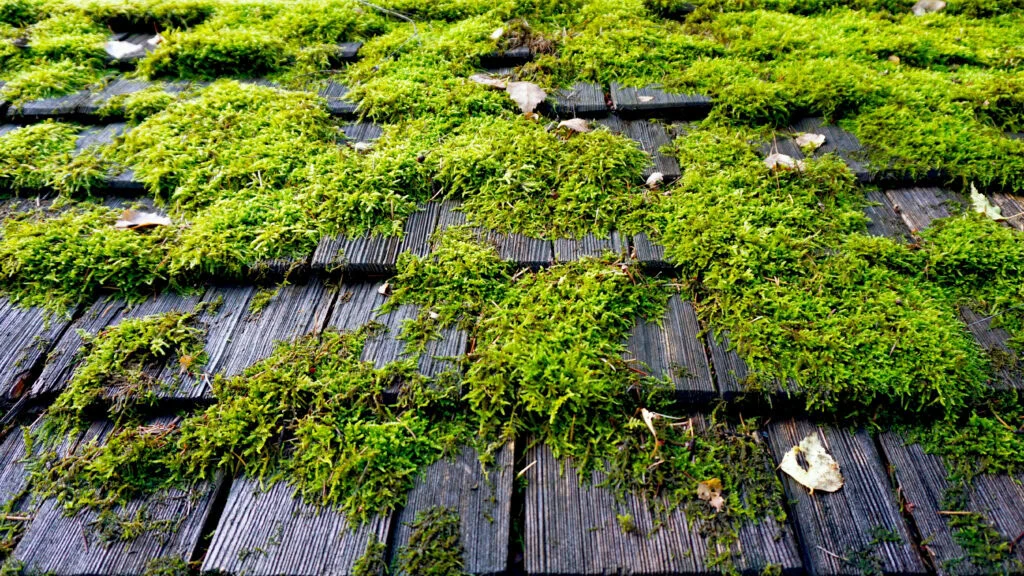
What is Roof Moss?
Roof moss is a type of small, green plant that grows in damp, shaded environments. It can often be found on rooftops, especially in areas with high humidity and frequent rainfall. During winter, the growth of moss can accelerate due to the increased moisture and reduced sunlight.
Why Does Moss Grow on Roofs?
Moss loves shaded areas where moisture is retained. Roofs that are frequently under shade or have poor drainage are more susceptible to moss growth. This is particularly true during winter when the sun is lower in the sky, and days are shorter.
The Impact of Moss on Roofs
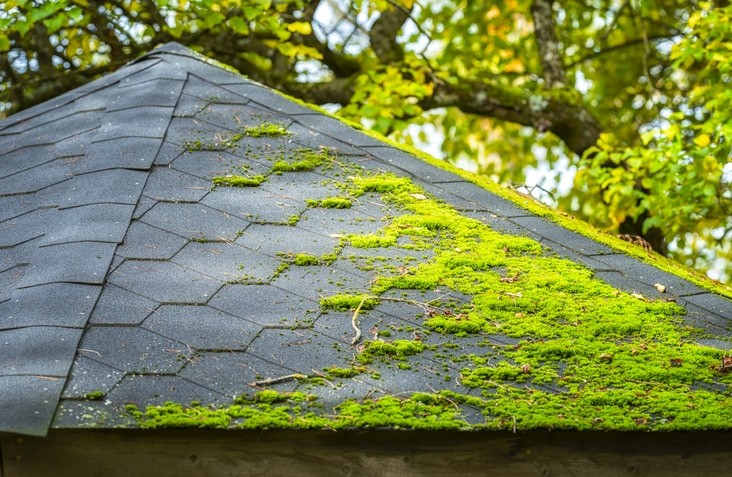
While moss may seem harmless, it can actually cause significant damage to roofs. The presence of moss can lead to the deterioration of shingles by trapping moisture. Over time, this can cause leaks and structural damage. It’s essential to address roof moss in winter to prevent costly repairs.
Preventing Moss Growth
Preventing roof moss involves maintaining good roof hygiene. Regular cleaning and inspections are key to catching moss growth early. Consider trimming overhanging branches to reduce shade and improve air circulation.
Cleaning Methods
There are several methods for cleaning moss off your roof. For a DIY approach, you can use a mixture of water and bleach, but be cautious as this can damage the environment. For natural cleaning solutions, consider using biodegradable products that are both effective and eco-friendly.
Treating Moss in Winter
Winter is an excellent time to treat moss because the plant is typically dormant. Applying moss treatment during cold months can prevent its growth in the spring. Ensure that any treatment used is suitable for winter conditions.
Professional Help
If you’re unsure about handling moss removal yourself, hiring professionals can be a wise decision. They have the tools and expertise to safely remove moss without damaging your roof.
Long-Term Solutions
For long-term prevention, consider installing zinc or copper strips on your roof. These metals naturally inhibit moss growth when they come into contact with rainwater. Additionally, regular maintenance checks by professionals can help in early detection and prevention.
Climate Considerations
Understanding your local climate can help in planning preventive measures. Areas with high rainfall and humidity will require more frequent maintenance compared to drier regions.
The Cost of Ignoring Moss
Ignoring roof moss can lead to severe consequences. Apart from potential leaks and structural damage, the presence of moss can also decrease your home’s curb appeal and, consequently, its value.
Moss and Home Insurance
Some insurance policies may not cover damage caused by moss. Regular maintenance can help in ensuring that your roof remains in good condition, potentially affecting your insurance premiums positively.
Environmental Impact
When dealing with moss, it’s important to consider the environmental impact of your chosen removal method. Opt for eco-friendly solutions whenever possible to minimize harm to the surrounding ecosystem.
Community Resources
Many communities offer resources or services for roof maintenance. Check with local authorities or neighborhood associations for advice and possible assistance.
FAQs
Does moss damage roofs?
Yes, moss can trap moisture against roof surfaces, leading to potential damage over time.
When is the best time to remove moss?
Winter is a good time to treat moss as the plant is less active, making treatments more effective.
Are there natural ways to remove moss?
Yes, there are natural cleaning solutions that are effective and environmentally friendly.
For further reading on the impacts of moss, visit this resource.
This article contains affiliate links. We may earn a commission at no extra cost to you.