


Are you a homeowner struggling with moss growth on your roof? Roof moss disposal tips can be essential in maintaining the longevity and aesthetics of your home. In this article, we will explore methods to effectively remove moss and prevent its return. Let’s dive into the world of moss and uncover the secrets to managing it effectively.
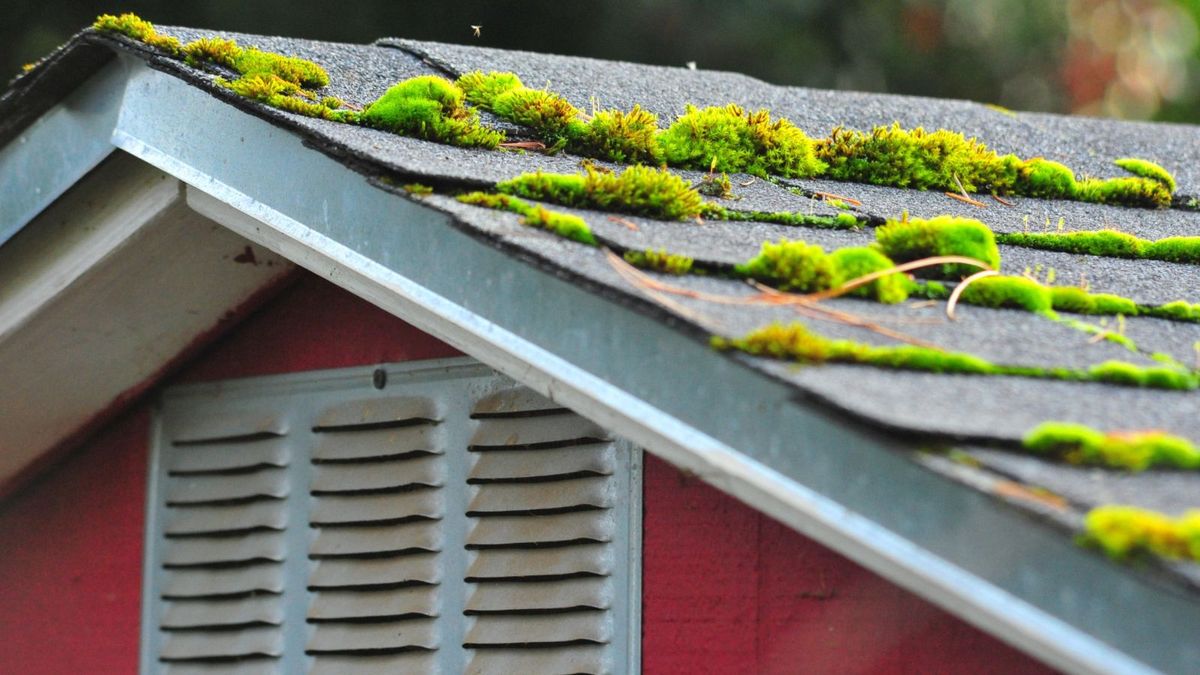
Understanding Roof Moss and Its Impact
Moss is a small, green, non-vascular plant that thrives in damp and shaded environments. On your roof, it can cause significant damage if not addressed promptly. Moss retains moisture, leading to potential water damage and rot. Additionally, it can lift shingles, creating gaps and vulnerabilities in your roofing system.
Why Is Moss a Problem?
Moss growth can lead to several issues, including:
- Water retention, which can cause leaks.
- Shingle damage due to moss lifting them away from the roof.
- Increased wear and tear, reducing the roof’s lifespan.
Signs of Moss Infestation
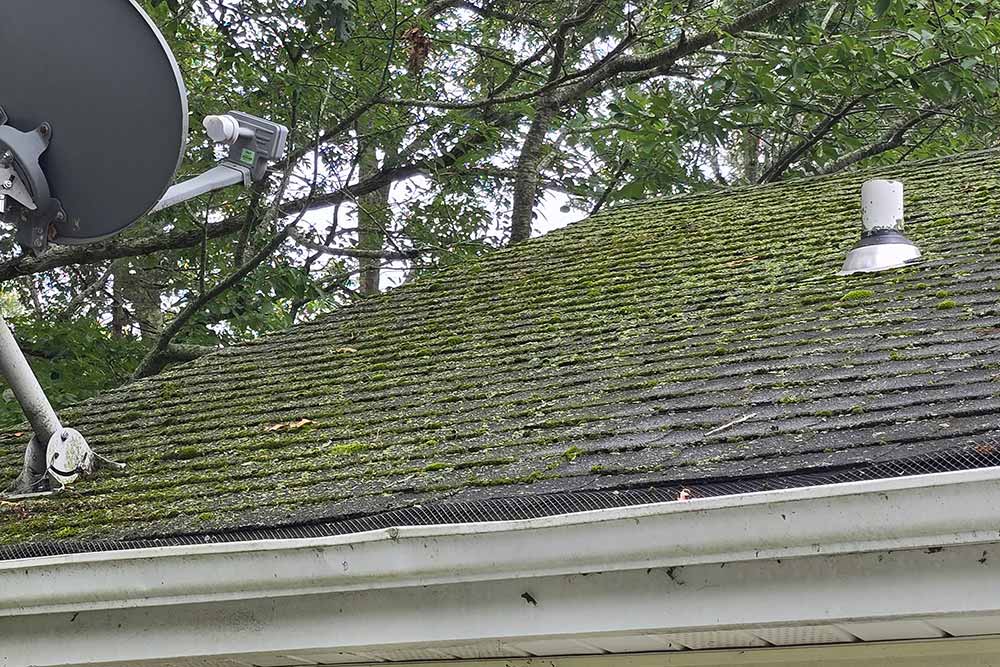
Before diving into roof moss disposal tips, it’s important to recognize the signs of moss infestation. Look for green patches on your roof, particularly in shaded areas. Moss often appears as a thick carpet, and if left unchecked, it can spread rapidly.
Roof Moss Disposal Tips: The Basics
Now that we understand the impact of moss, let’s explore effective roof moss disposal tips to keep your roof in top condition.
1. Manual Removal
One of the simplest ways to remove moss is by manually scraping it off. Use a long-handled brush or a specialized roof scraper to gently remove the moss. Be careful not to damage the shingles during this process.
2. Chemical Treatments
Chemical treatments can be effective in killing moss and preventing its regrowth. Consider using a moss killer specifically formulated for roofs. Follow the manufacturer’s instructions carefully to ensure safe and effective application. For a deeper understanding of chemical treatments, visit this Roof Moss Removal Dos.
3. Pressure Washing
Pressure washing can be an option for removing moss, but it should be approached with caution. High pressure can damage shingles, so use a low-pressure setting and work in the direction of the shingles to avoid lifting them.
4. Zinc Strips
Installing zinc strips along the ridge of your roof can help prevent moss growth. When it rains, zinc particles wash down the roof, inhibiting moss development. This is a preventative measure that can be quite effective.
Preventing Moss Growth on Your Roof
Prevention is key to avoiding the hassle of moss removal. Here are some tips to keep your roof moss-free:
1. Trim Overhanging Branches
Shade is a primary factor in moss growth. Trim back any overhanging branches to allow more sunlight to reach your roof.
2. Regular Roof Cleaning
Regular cleaning can prevent moss from gaining a foothold. Consider scheduling annual or bi-annual roof cleanings to remove debris and check for early signs of moss.
3. Improve Roof Ventilation
Proper ventilation reduces moisture buildup in your attic, minimizing the conditions favorable for moss growth.
When to Seek Professional Help
There are times when professional intervention is necessary. If moss growth is extensive or if you’re unsure about safely removing it, consider hiring a professional roofing contractor. Learn more about the benefits of professional cleaning at DIY vs Professional Cleaning.
Choosing the Right Professional
When selecting a professional, ensure they have experience in roof moss removal. Ask for references and verify their credentials to ensure you’re working with a reputable company.
Maintaining Your Roof After Moss Removal
Once you’ve removed the moss, ongoing maintenance is crucial. Regular inspections and preventative measures can help keep your roof in excellent condition. For more tips on maintaining your roof, visit Maintain Roof After Removal.
Inspecting Your Roof
Conduct regular inspections to catch any signs of moss or damage early. This proactive approach can save you time and money in the long run.
Frequently Asked Questions
Q1: Can I use household bleach to remove roof moss?
A: While bleach can kill moss, it may also damage your roof and the surrounding environment. It’s better to use products specifically designed for roof moss removal.
Q2: How often should I check my roof for moss?
A: It’s advisable to inspect your roof at least twice a year, especially after the rainy season, to catch any early signs of moss growth.
Q3: Is moss removal covered by home insurance?
A: Typically, moss removal is considered routine maintenance and is not covered by home insurance policies. Check with your provider for specific details.
For more information on whether moss indicates a need for roof replacement, visit this Bill Ragan Roofing Blog.
This article contains affiliate links. We may earn a commission at no extra cost to you.


