Maintaining your home’s roof is essential for preserving its longevity and aesthetic appeal. One common issue that homeowners face is the growth of moss on their roofs. Moss can cause significant damage if not dealt with promptly. One popular method for removing moss is the roof moss bleach method. In this article, we’ll explore the pros and cons of this approach to help you decide if it’s right for your home.
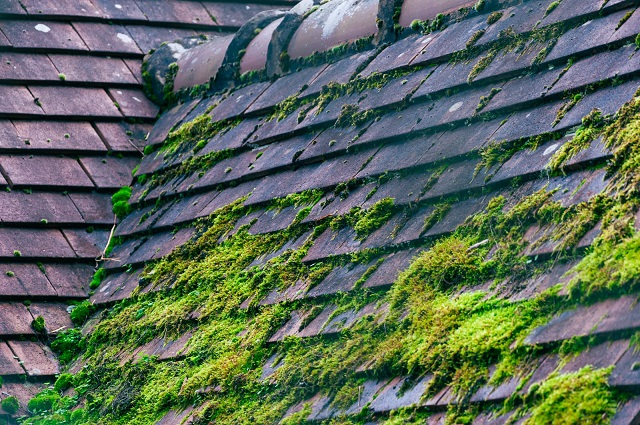
What is the Roof Moss Bleach Method?
The roof moss bleach method involves using a bleach solution to kill and remove moss from the roof’s surface. This method is known for its effectiveness in quickly eradicating moss and preventing its regrowth. However, like any method, it comes with its own set of advantages and disadvantages.
Pros of Using Bleach for Roof Moss Removal
1. Effective Moss Killer
The bleach method is highly effective at killing moss quickly. The active ingredients in bleach penetrate the moss and destroy it at the root, ensuring that it does not return for a significant period.
2. Cost-Effective Solution
Using bleach to remove moss is relatively inexpensive compared to other methods. Most households already have bleach in their cleaning supplies, making it a readily accessible option.
3. Easy to Apply
The application process for the roof moss bleach method is straightforward. Homeowners can apply the bleach solution themselves with a garden sprayer, saving on labor costs.
Cons of Using Bleach for Roof Moss Removal
1. Potential Roof Damage
Bleach is a harsh chemical that can cause damage to roofing materials if not used correctly. It can lead to discoloration and deterioration of shingles over time.
2. Environmental Concerns
Using bleach poses potential environmental risks. Runoff from the roof can harm plants and wildlife in the surrounding area, making it imperative to take precautions.
3. Safety Risks
Handling bleach requires caution as it can irritate the skin and eyes. Proper safety gear, such as gloves and goggles, should be worn during application.
Alternative Methods for Moss Removal
If the roof moss bleach method isn’t suitable for you, there are alternative methods available. Consider hiring a professional cleaning service for a more thorough and safe approach.
How to Mitigate the Cons
To minimize the potential downsides of using bleach, it’s crucial to dilute the bleach solution properly and apply it on a dry day to prevent runoff. Additionally, protecting surrounding vegetation with tarps can help mitigate environmental impact.
Long-term Roof Maintenance
After moss removal, regular roof maintenance is key to preventing regrowth. For tips on maintaining your roof, see our guide on how to maintain your roof post-moss removal.
Comparison with Other Growths
It’s important to distinguish between moss and other growths like algae. For a better understanding, check out our article on moss vs. algae.
Considerations for Homeowners
When deciding whether to use the roof moss bleach method, weigh the pros and cons carefully. The potential risks may not be suitable for all homeowners.
Environmental Impact
Consider the broader environmental impact of using bleach. If you’re environmentally conscious, you may want to explore other eco-friendly moss removal methods.
Expert Recommendations
Consult with a roofing expert to determine the best moss removal method for your specific roof type and condition. An expert can provide personalized recommendations.
FAQs
1. Can bleach damage my roof?
Yes, if not applied correctly, bleach can cause damage to roofing materials. It’s important to follow guidelines and dilute the solution properly.
2. Is there an eco-friendly alternative to bleach?
Yes, there are eco-friendly alternatives such as using vinegar or hiring a professional service that uses environmentally safe products.
3. How often should I remove moss from my roof?
Regular inspections and maintenance are recommended. The frequency of moss removal depends on your local climate and the amount of shade your roof receives.
This article contains affiliate links. We may earn a commission at no extra cost to you.