


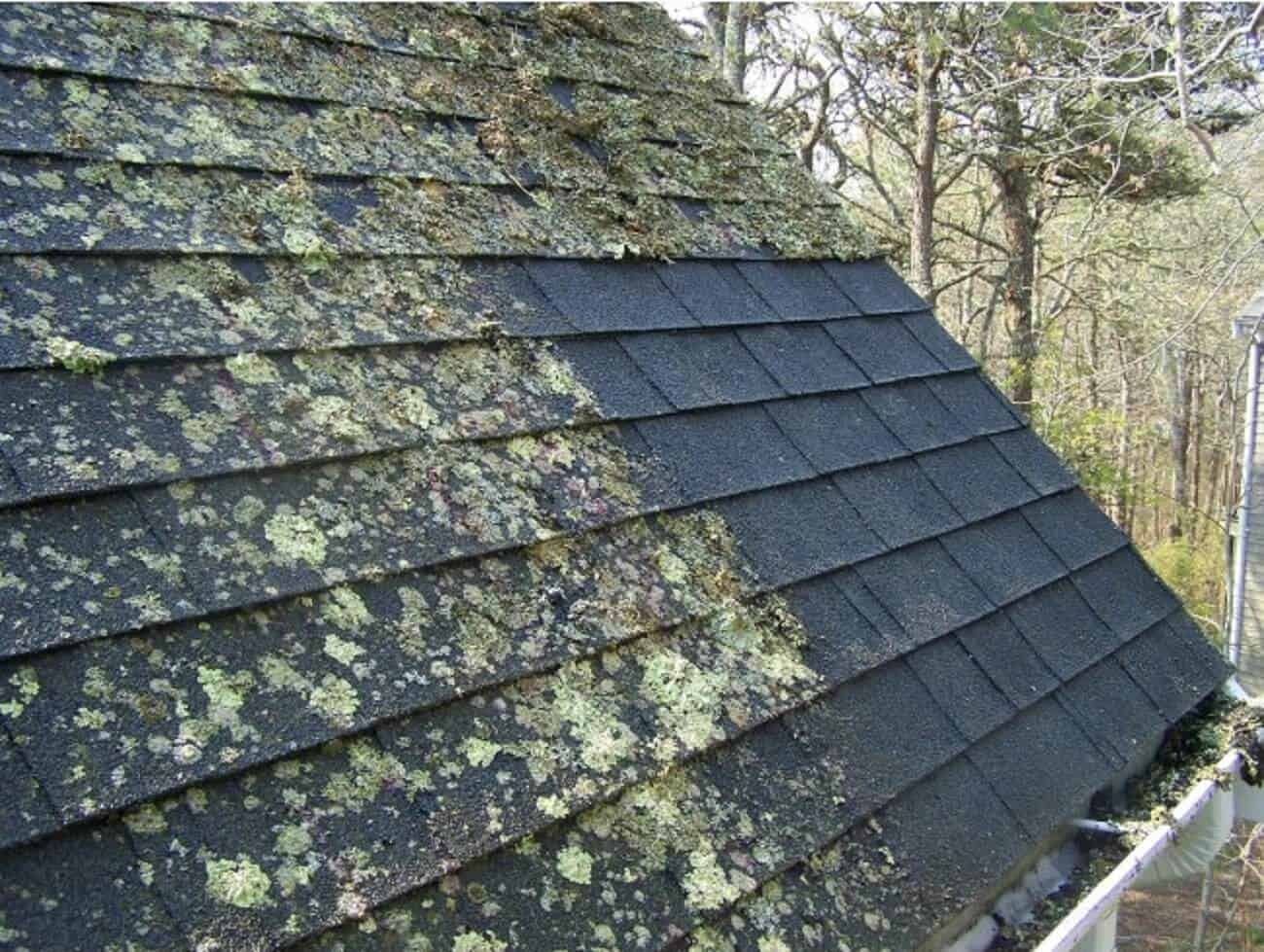
In recent years, many homeowners have begun to explore eco-friendly practices to maintain their homes and gardens. One such practice gaining popularity is roof moss composting. This process not only helps in managing moss growth on roofs but also contributes to sustainable gardening practices. By transforming unwanted moss into compost, homeowners can nurture their gardens while reducing waste.

Understanding Roof Moss
Roof moss is a common issue for many homeowners, especially in areas with high humidity and shade. Moss tends to grow on roofs that do not receive direct sunlight, leading to potential roof damage if left unchecked. However, instead of discarding moss, it can be repurposed into nutrient-rich compost.
The Benefits of Roof Moss Composting
1. Eco-Friendly Disposal
By composting roof moss, you are turning what is typically considered waste into a valuable resource. This not only reduces the amount of waste sent to landfills but also provides a natural fertilizer for your garden.
2. Nutrient-Rich Compost
Moss is rich in nutrients that can enhance the quality of your soil. When added to a compost pile, moss breaks down and contributes essential nutrients, promoting healthy plant growth.
3. Cost-Effective Gardening
Creating your own compost from roof moss can reduce the need for store-bought fertilizers, saving you money in the long run. Plus, homemade compost is often more beneficial for plant health.
How to Start Roof Moss Composting
1. Collecting Moss
Begin by safely removing moss from your roof. It’s crucial to follow proper roof moss removal techniques to prevent damage. Consider using tools like a soft brush or a moss scraper.
2. Preparing the Compost
Add the collected moss to your compost pile. It can be combined with other organic materials like leaves, grass clippings, and food scraps. Ensure that the compost pile remains moist and well-aerated.
3. Maintaining the Compost
Regularly turn the compost pile to speed up the decomposition process. This will help the moss break down more efficiently and integrate well with other compost materials.
Challenges of Roof Moss Composting
1. Time and Patience
Composting is a gradual process that requires time and patience. Moss, in particular, may take longer to decompose compared to other organic materials.
2. Proper Balance
It is essential to maintain a good balance of green and brown materials in your compost pile. Too much moss without sufficient dry materials can lead to a slow decomposition process.
Expert Tips for Successful Roof Moss Composting
1. Use a Compost Bin
A compost bin helps contain the moss and other organic materials, making the composting process more efficient and organized.
2. Monitor Moisture Levels
Keep the compost pile moist but not saturated. This creates an ideal environment for microorganisms that aid in decomposition.
3. Add Variety
Incorporate a variety of organic materials to accelerate the composting process and enhance the nutrient profile of the final compost.
Conclusion
Roof moss composting is a sustainable and practical solution for homeowners looking to reduce waste and enrich their gardens. By following the steps outlined above, you can transform unwanted moss into a valuable asset for your garden. For more detailed advice on managing roof moss, you can visit moss DIY budget tips or explore why moss grows on roofs.

FAQs
Can I compost moss from any type of roof?
Yes, moss from any roof type can be composted. However, ensure it is free from chemicals or contaminants that could harm your compost.
How long does it take for moss to decompose in a compost pile?
The decomposition process can vary, but moss typically takes several months to break down. Maintaining proper moisture and aeration can speed up the process.
Is it necessary to remove all moss from my roof?
While it is not always necessary to remove every piece of moss, it is important to manage moss growth to prevent roof damage. For guidance, check out post-cleaning tips.
This article contains affiliate links. We may earn a commission at no extra cost to you.


