


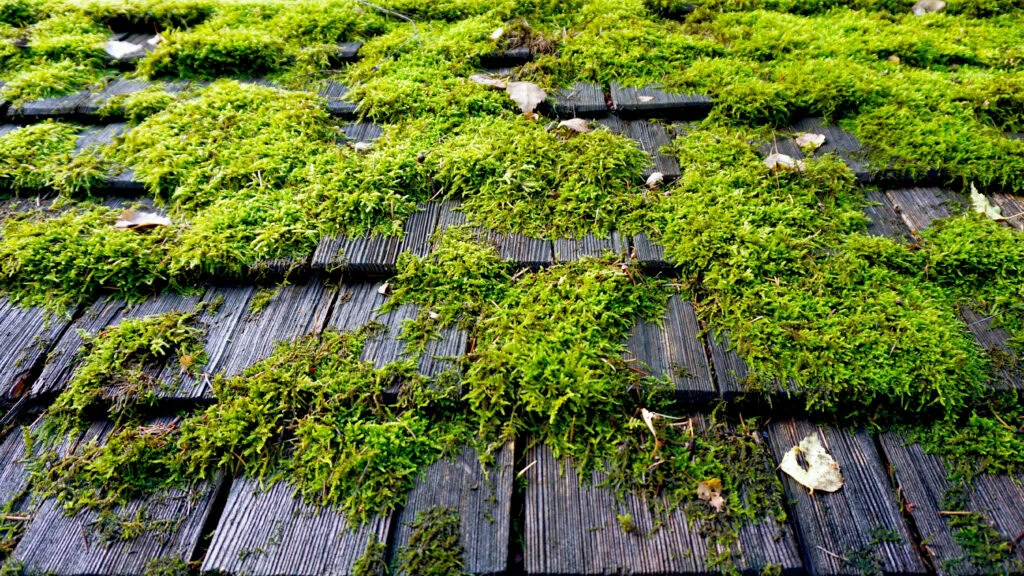
For many homeowners, maintaining a pristine and functional roof is a top priority. However, one common issue that often arises is roof moss. Understanding how to manage this sneaky green invader is crucial to ensuring the longevity and aesthetic appeal of your home. In this article, we will tackle some of the most common questions about roof moss, providing you with the knowledge you need to effectively address it.
What Causes Roof Moss?
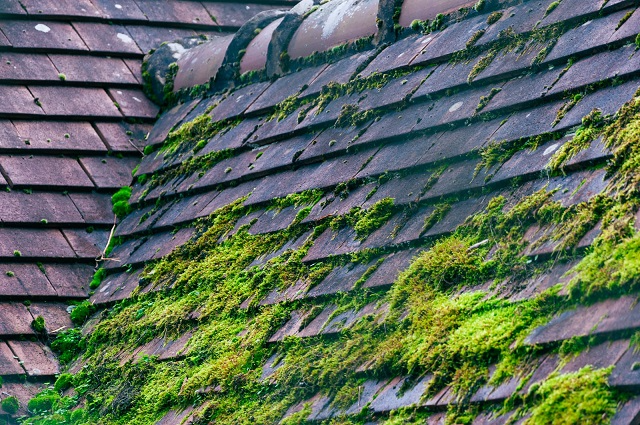
Roof moss thrives in damp and shaded environments. It’s a type of plant that grows well in areas where moisture accumulates, such as on the north side of roofs or under overhanging trees. The presence of moss can be attributed to factors like high humidity, lack of sunlight, and poor ventilation.
Is Roof Moss Harmful?
While roof moss itself isn’t directly harmful, it can lead to issues if left unchecked. The roots of the moss can retain moisture, which can then seep into the roofing materials, causing damage over time. This can result in leaks, rot, and ultimately expensive repairs if not addressed promptly.
How Can I Remove Roof Moss Safely?
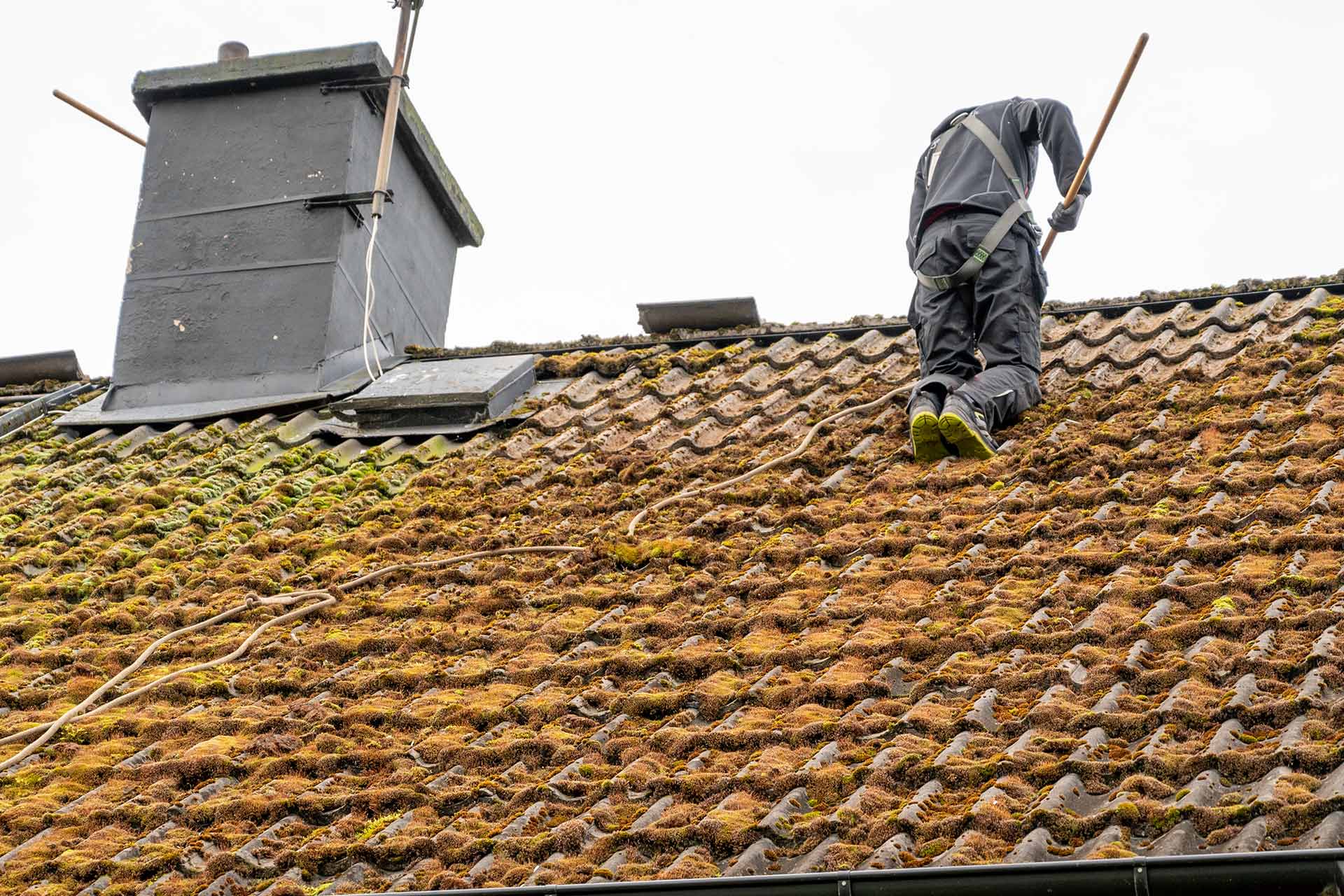
Removing roof moss requires a careful approach to avoid damaging your roof. You can read more about the Moss Removal Dos and Don’ts to understand the best practices. Typically, a gentle scrub with a soft brush and a moss removal solution can be effective. Always prioritize safety by using proper equipment and precautions when working on your roof.
Can I Prevent Roof Moss Growth?
Yes, preventing roof moss is possible with a few proactive measures. Ensuring your roof gets adequate sunlight by trimming overhanging branches can reduce shade. Regularly cleaning your gutters and ensuring proper ventilation in your attic can also help in preventing moss growth.
Should I Consider Professional Help?
If you are unsure about handling roof moss removal or if the problem is extensive, it may be wise to seek professional help. Experts have the tools and experience to safely and effectively remove moss without causing damage to your roof.
How Often Should I Inspect My Roof for Moss?
Regular inspections are key in catching roof moss before it becomes a problem. It’s advisable to inspect your roof at least twice a year, ideally in the spring and fall. This allows you to address any issues before they escalate.
Is Moss More Common in Certain Climates?
Indeed, roof moss is more prevalent in regions with cool, damp climates. Coastal areas, for example, are ideal environments for moss growth. For more on this topic, see Moss in Coastal Climates.
Does Moss Affect Roof Longevity?
Yes, if left unattended, roof moss can significantly reduce the lifespan of your roof by trapping moisture, which can lead to the deterioration of roofing materials. Regular maintenance and removal are essential to preserving your roof’s longevity.
Are There Eco-Friendly Ways to Deal with Roof Moss?
There are several eco-friendly solutions for dealing with roof moss, such as using a vinegar solution or installing copper or zinc strips that naturally inhibit moss growth. These methods are not only effective but also environmentally friendly.
What Should I Do with Removed Moss?
After removing roof moss, you should dispose of it properly to prevent it from regrowing. For detailed guidance, refer to What to Do with Moss After Cleaning.
Frequently Asked Questions
1. Can roof moss cause leaks?
Yes, if roof moss retains moisture long enough, it can penetrate roofing materials and cause leaks.
2. Will roof moss removal damage my roof?
If done correctly, roof moss removal should not damage your roof. It’s important to use the right tools and techniques.
3. How do I know if my roof is at risk?
Roofs in shaded, damp areas are at higher risk. Regular inspections and maintenance can help identify and mitigate risks.
For more information on why your roof might have moss, visit Why Does My Roof Have Moss?.
This article contains affiliate links. We may earn a commission at no extra cost to you.


