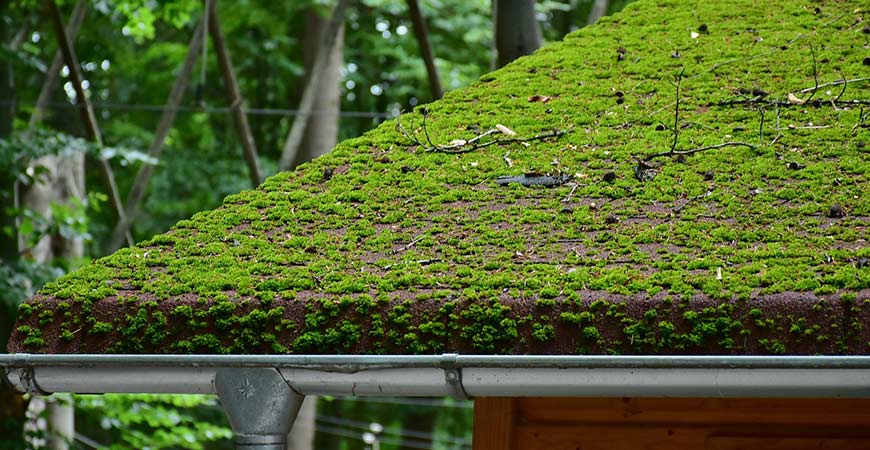
Roof moss biology basics are essential for homeowners who are concerned about the longevity and aesthetics of their roofs. Moss, a non-vascular plant, thrives in moist, shaded environments and can often be seen covering rooftops, creating a lush green appearance. Understanding the biology and growth patterns of moss is crucial for effective management and maintenance of your roof.
Moss has a unique biological structure that enables it to grow on various surfaces, including roof shingles. Its ability to retain moisture and reproduce rapidly can pose a threat to the structural integrity of roofing materials. In this article, we will explore the fascinating world of moss biology, its impact on roofs, and how to effectively manage its growth.
What is Moss? An Overview of Moss Biology
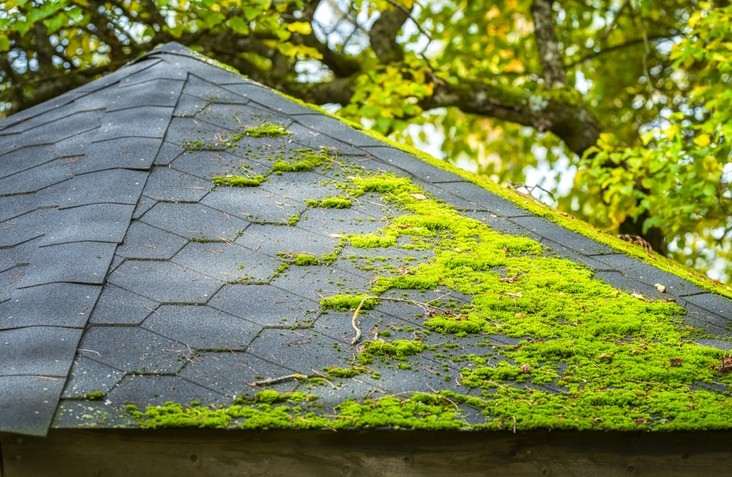
Mosses are small, non-vascular plants that belong to the Bryophyta division. Unlike vascular plants, mosses do not have true roots, stems, or leaves. Instead, they have structures called rhizoids that anchor them to surfaces. Mosses reproduce through spores rather than seeds, and they thrive in environments with high humidity and low light.
How Does Moss Grow on Roofs?
Moss growth on roofs occurs in areas that provide the ideal conditions for its development. These conditions include moisture, shade, and a suitable substrate. Roofs that are shaded by trees or other structures are particularly susceptible to moss growth, as they provide the damp and cool environment mosses need to thrive.
The Role of Moisture in Moss Growth
Moisture is a critical factor in the growth of moss on roofs. Mosses have a remarkable ability to absorb and retain water, allowing them to survive in dry conditions. This moisture retention can lead to the deterioration of roofing materials over time, as constant dampness can cause shingles to weaken and decay.
Impact of Shade on Moss Development
Shade plays a significant role in moss development. Roofs that receive little sunlight are more likely to harbor moss, as the lack of direct light creates a cool, damp environment. Tree branches overhanging a roof can increase the amount of shade and contribute to moss growth.
Why is Moss Harmful to Roofs?
Moss can cause several problems for homeowners. The presence of moss on a roof can lead to structural damage, reduced lifespan of roofing materials, and increased maintenance costs. Let’s explore these issues further:
Structural Damage
Moss can cause structural damage to roofs by trapping moisture against the surface of shingles. Over time, this trapped moisture can lead to the growth of mold and mildew, further weakening the roofing materials.
Reduced Lifespan of Roofing Materials
The constant presence of moisture can accelerate the deterioration of roofing materials, reducing their lifespan. Shingles may crack, warp, or become loose, leading to potential leaks and costly repairs.
Increased Maintenance Costs
Managing moss growth on roofs requires regular maintenance and can be costly. Homeowners may need to invest in professional cleaning services or purchase special treatments to prevent moss from returning.
How to Prevent Moss Growth on Roofs
Preventing moss growth on roofs is essential for maintaining the longevity and appearance of your home. There are several strategies homeowners can employ to reduce the risk of moss development:
Improve Roof Drainage
Ensuring proper drainage is crucial for preventing moss growth. Gutters and downspouts should be kept clean and free of debris to allow water to flow away from the roof efficiently.
Trim Overhanging Branches
Trimming tree branches that overhang the roof can reduce the amount of shade and increase sunlight exposure, making it less conducive for moss growth.
Use Moss-Resistant Roofing Materials
Consider using moss-resistant roofing materials, such as copper or zinc strips, to prevent moss from establishing itself on the roof.
Effective Moss Removal Techniques
If moss has already taken hold on your roof, there are several removal techniques homeowners can utilize:
Manual Removal
Manual removal involves physically scraping moss off the roof using a brush or scraper. This method is labor-intensive but can be effective for small areas.
Chemical Treatments
Chemical treatments, such as moss-killing sprays, can be applied to eliminate moss. These treatments are available at most home improvement stores and can be an efficient solution for larger infestations.
Professional Cleaning Services
For extensive moss growth, hiring a professional cleaning service may be the best option. Professionals have the expertise and equipment to safely and effectively remove moss without damaging the roof. For more details on professional cleaning, you can learn more here.
Maintaining a Moss-Free Roof
Once the moss has been removed, it’s important to maintain a moss-free roof. Regular inspections and maintenance can help ensure that moss does not return:
Regular Roof Inspections
Conduct regular roof inspections to identify any signs of moss growth early. Early detection can prevent more extensive infestations.
Consistent Cleaning
Consistently cleaning your roof and gutters can help prevent the buildup of debris and moisture, reducing the chances of moss growth.
Conclusion: Embracing the Beauty of a Healthy Roof
Understanding the roof moss biology basics is essential for homeowners looking to protect their roofs from damage and extend their lifespan. By implementing preventative measures and utilizing effective removal techniques, homeowners can maintain a healthy, moss-free roof. For more tips on preventing moss growth, you can read this article.
FAQs
Can moss damage my roof?
Yes, moss can damage your roof by trapping moisture, which can lead to structural damage and reduced lifespan of roofing materials.
What are the best ways to prevent moss growth?
Improving roof drainage, trimming overhanging branches, and using moss-resistant materials are effective ways to prevent moss growth.
Should I hire a professional for moss removal?
If the infestation is extensive, hiring a professional cleaning service is recommended to ensure safe and effective moss removal.
This article contains affiliate links. We may earn a commission at no extra cost to you.