Homeowners often overlook the small patches of roof moss that appear over time. However, these green tufts can lead to severe water damage if left unchecked. It’s crucial to understand the relationship between roof moss and water damage to protect your home effectively.
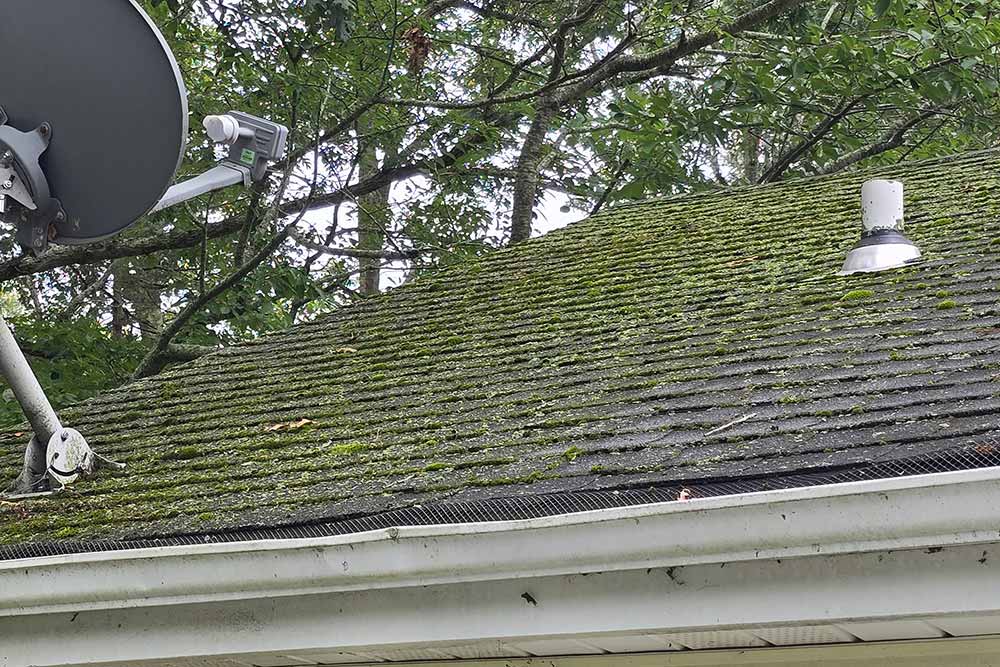
What is Roof Moss?
Roof moss is a type of plant that thrives in damp, shaded environments. It can quickly spread across your roof, feeding off the moisture and nutrients available. While it may seem harmless, roof moss can lead to significant problems.
How Roof Moss Causes Water Damage
The presence of roof moss can create a damp environment, which may lead to water damage. The moss retains moisture, preventing your roof from drying properly. Over time, this can deteriorate roofing materials, leading to leaks and structural issues.
Obstructed Drainage
Moss can block gutters and downspouts, causing water to back up and overflow. This overflow can lead to water damage to your roof, walls, and foundation. Roof moss removal is essential to prevent such blockages.
Identifying Roof Moss and Water Damage
Regular roof inspections are vital. Look for signs of roof moss such as green patches, curled shingles, or water stains on your ceiling. Early detection can prevent costly water damage repairs.
Signs of Water Damage
Common signs of water damage include discoloration on the walls, a musty odor, and visible mold. If you notice any of these signs, it’s important to investigate further to prevent further deterioration.
Preventing Roof Moss and Water Damage
Prevention is key to avoiding roof moss and water damage. Regular maintenance and cleaning can help keep your roof in top condition. Budget-friendly roof moss tips are available to guide you in maintaining your roof.
Regular Cleaning
Clean your roof regularly to remove moss and debris. This can be done by a professional or as a DIY project. However, ensure that you follow safe practices to avoid damaging your roof.
Trimming Overhanging Branches
Trim trees and branches that provide shade to your roof. This will reduce moisture retention, making it less conducive for moss growth.
Dealing with Existing Roof Moss and Water Damage
If you already have roof moss or have experienced water damage, it’s important to act quickly. Remove the moss and repair any damage as soon as possible to prevent further issues.
Professional vs. DIY Cleaning
Consider whether to hire a professional or tackle the moss removal yourself. Both options have their pros and cons. Professional cleaning vs DIY can help you decide which is best for your situation.
Repairing Water Damage
Repair water damage promptly to avoid further deterioration. This may involve replacing damaged shingles, fixing leaks, or restoring structural integrity.
Long-Term Solutions for Moss and Water Damage
Consider long-term solutions to prevent roof moss and water damage. Installing zinc or copper strips can deter moss growth, while regular inspections can help catch potential problems early.
Using Moss-Resistant Materials
When replacing your roof, choose materials that are resistant to moss. These can include metal roofing or moss-resistant shingles.
Regular Roof Inspections
Schedule regular inspections to catch early signs of roof moss or water damage. This proactive approach can save you money and protect your home.
FAQs
How often should I inspect my roof for moss?
It’s recommended to inspect your roof at least twice a year, especially after heavy rain or snow.
Can I remove moss from my roof myself?
Yes, but ensure you follow safety precautions. Consider hiring a professional if you’re unsure.
What is the best way to prevent water damage?
Regular maintenance and cleaning, along with prompt repairs, are the best ways to prevent water damage.
For more detailed guidance on preventing and dealing with roof moss and water damage, consider reading this external resource.
This article contains affiliate links. We may earn a commission at no extra cost to you.