When it comes to maintaining your home, the roof is a critical component. A common issue many homeowners face is roof moss, which can affect both old and new roofs. Understanding how roof moss impacts your roofing can help you make informed decisions about maintenance and replacement.
Roof moss thrives in damp and shaded environments, often appearing as a green or black layer on the surface of shingles. While it may seem harmless, it can cause significant damage if left unchecked. For those with new roofs, it’s essential to be proactive in preventing moss growth to protect your investment.
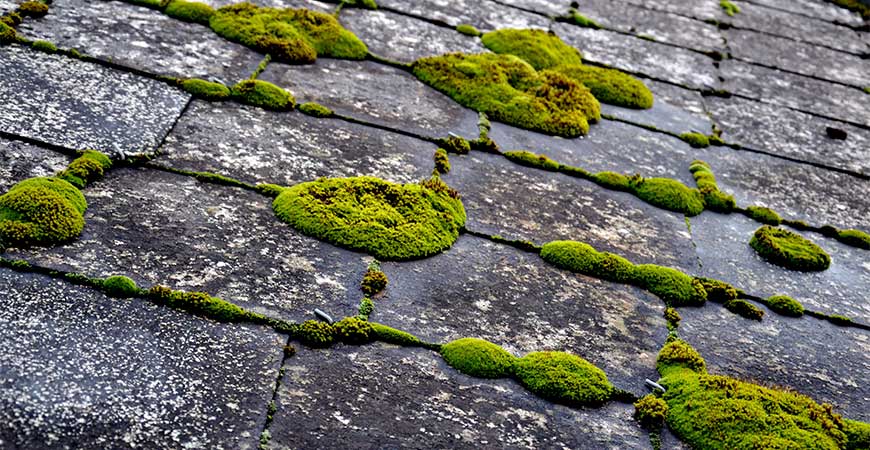
What is Roof Moss?
Roof moss is a type of plant that grows on surfaces that are moist and shaded. It’s commonly found in areas with high humidity and rainfall. The presence of roof moss can lead to several problems, including water damage and shingle deterioration.
How Roof Moss Affects New Roofs
Even new roofs are not immune to the effects of roof moss. If moss is allowed to grow, it can lift shingles, allowing water to seep underneath and potentially causing leaks. This can shorten the lifespan of new roofs significantly.
Signs of Roof Moss on New Roofs
Homeowners should be vigilant for signs of moss growth, such as green patches on the roof or an increase in humidity in the attic. Early detection can prevent severe damage and costly repairs.
Preventing Roof Moss Growth
Preventing roof moss on new roofs involves regular maintenance and inspections. Ensuring that your roof is exposed to sunlight and trimming overhanging branches can help reduce moisture accumulation. For more tips, you can visit this maintenance guide.
Using Chemical Treatments
Chemical treatments can effectively control roof moss. However, it’s crucial to choose products that won’t damage the roofing material. Consulting a professional can provide guidance on the best treatment options.
When to Consider a New Roof
If roof moss has caused extensive damage, it may be time to consider a new roof. Persistent leaks, curling shingles, and significant structural issues are indicators that replacement is necessary.
Choosing the Right Roofing Material
When selecting materials for new roofs, consider those that are resistant to moss growth. Metal and asphalt shingles with anti-moss properties can be a wise investment.
Professional Roof Inspections
Regular professional inspections can help identify potential issues before they escalate. A thorough inspection will assess the condition of the roof and recommend necessary actions.
The Importance of Regular Maintenance
Maintaining new roofs involves more than just inspections. Regular cleaning and moss removal are essential to prolonging the roof’s lifespan. Avoid common moss removal mistakes to ensure effective maintenance.
Understanding Roof Warranties
When installing new roofs, understanding the warranty provided by manufacturers is crucial. Some warranties may be voided if roof moss is not adequately managed.
Insurance Considerations
Homeowners should check their insurance policies to understand coverage related to roof damage caused by moss. Some policies may not cover damage if proper maintenance is not documented.
Environmentally Friendly Solutions
For those concerned about the environmental impact of chemical treatments, there are eco-friendly options available. These include using natural moss inhibitors and installing zinc or copper strips.
Community Initiatives
Some communities offer programs to help homeowners manage roof moss. These initiatives can provide resources and support for effective roof maintenance.
Conclusion
Managing roof moss on new roofs requires a proactive approach. Understanding the risks and taking preventive measures can protect your roof and prolong its lifespan. For more information on preventing roof moss growth, consider visiting this resource.

FAQs
How often should I inspect my roof for moss?
It’s recommended to inspect your roof at least twice a year, particularly in the spring and fall, to catch any moss growth early.
Can I remove roof moss myself?
While it’s possible to remove moss yourself, it’s often safer and more effective to hire a professional, especially if you’re not experienced with roof work.
Do all types of roofs get moss?
While some roofing materials are more resistant to moss than others, nearly all roofs can develop moss under the right conditions, particularly in damp and shaded areas.
This article contains affiliate links. We may earn a commission at no extra cost to you.