


When it comes to maintaining a safe and secure home, understanding the implications of roof moss on kids’ safety is crucial. Homeowners must be aware of how roof moss can affect their families, particularly the younger members. This article explores the potential risks related to roof moss and provides practical tips to ensure kids’ safety.
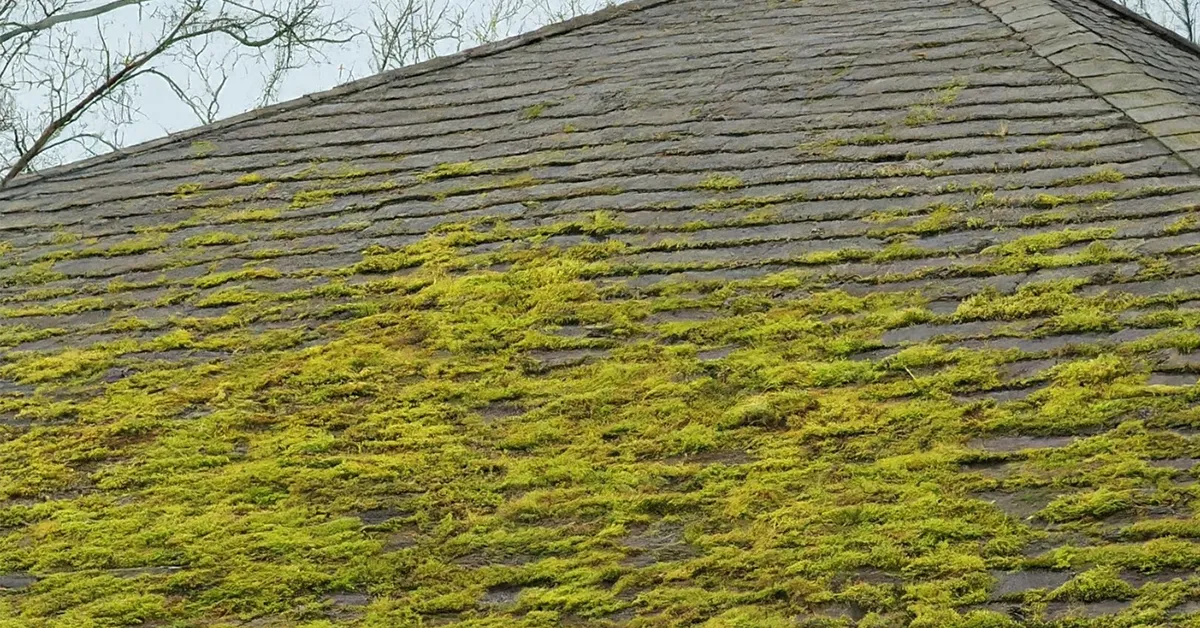
What is Roof Moss?
Roof moss is a type of plant that thrives in damp and shaded environments. It often finds its way onto roofs, especially in areas with high humidity or frequent rainfall. While it may seem harmless, roof moss can cause several issues for homeowners.
How Does Roof Moss Affect Roofs?
Moss can damage roofs by retaining moisture, which can lead to rot and decay. This not only affects the structural integrity of the roof but can also result in leaks, increasing the risk of water damage inside the home. You can learn more about how roof moss and leaks pose a significant threat to your home.
Why is Roof Moss a Concern for Kids?
For families with children, roof moss is more than just a cosmetic issue. It can pose safety risks that parents need to be aware of to protect their children effectively.
1. Slip Hazards
The moisture retained by roof moss can drip down onto walkways, creating slippery surfaces that increase the risk of falls. Kids playing around the house may not be aware of these hazards, leading to potential injuries.
2. Health Risks
While the moss itself isn’t toxic, the damp environment it creates can encourage the growth of mold and mildew. These can lead to respiratory issues, especially in young children or those with pre-existing health conditions.
3. Structural Dangers
If roof moss causes significant damage to the roof, there is a risk of falling debris. This is particularly concerning if children play in areas adjacent to the house, such as in the yard or on a patio.
Preventing Roof Moss Growth
Regular maintenance is key to preventing roof moss from becoming a problem. Here are some tips:
1. Keep the Roof Clean
Regular cleaning can prevent moss from taking hold. This includes removing leaves and other debris that can trap moisture. For detailed guidance, visit this blog on removing moss.
2. Trim Overhanging Branches
Shaded areas encourage moss growth. By trimming back trees and branches that shade the roof, you can reduce the likelihood of moss developing.
3. Install Zinc or Copper Strips
These metals release ions that inhibit moss growth, providing an effective long-term solution.
Ensuring Kids’ Safety at Home
In addition to preventing roof moss, there are several steps homeowners can take to enhance kids’ safety:
1. Educate Children
Teach children about the potential hazards around the home, including slippery surfaces and the importance of staying away from damaged areas.
2. Regular Home Inspections
Conduct regular inspections of your home to identify and address potential hazards before they become serious problems.
3. Use Non-Slip Mats
Place non-slip mats on walkways and other areas where moisture might accumulate to prevent slips and falls.
Conclusion
Maintaining a safe home environment requires vigilance and proactive measures. By addressing roof moss issues and implementing kids’ safety strategies, homeowners can protect their families and ensure a secure living space.
FAQs
What causes roof moss to grow?
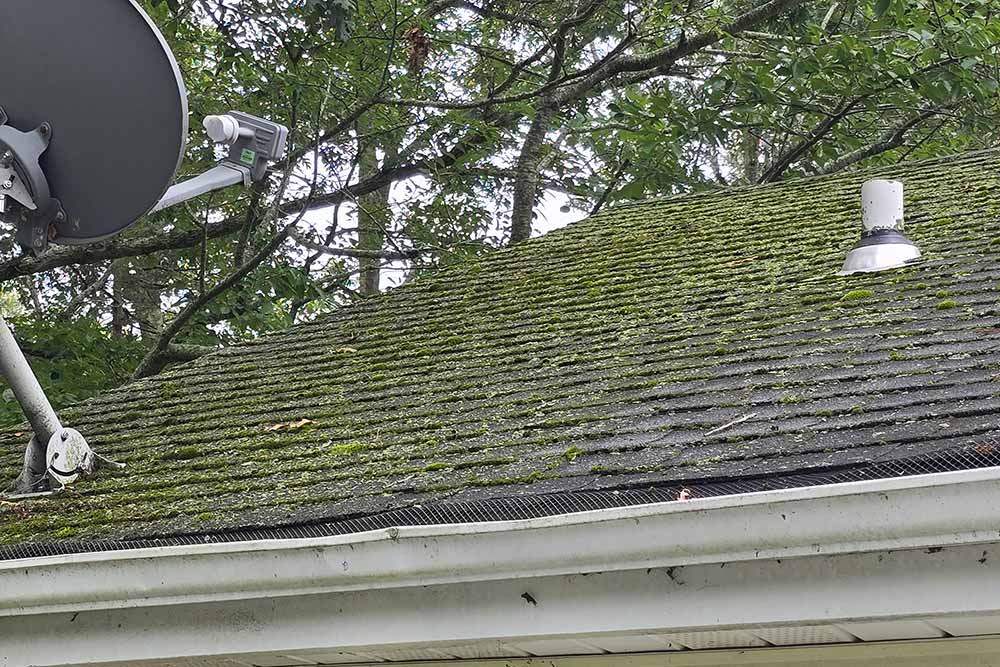
Roof moss grows in damp, shaded areas where moisture is retained. Factors like overhanging branches and poor drainage can contribute to its growth.
Is roof moss dangerous to health?
While moss itself isn’t harmful, it can create environments conducive to mold and mildew, which can affect respiratory health, particularly in children.
How can I safely remove roof moss?
It’s best to consult with professionals or use gentle cleaning methods to avoid damaging the roof. For more details, check out our guide on maintaining your roof after moss removal.
This article contains affiliate links. We may earn a commission at no extra cost to you.


