Have you ever considered the hidden expenses lurking on your rooftop? Many homeowners might overlook the presence of roof moss, but its potential energy cost impact can be surprisingly significant. Understanding how this seemingly harmless plant affects your household expenses is crucial for every homeowner.
The Basics of Roof Moss
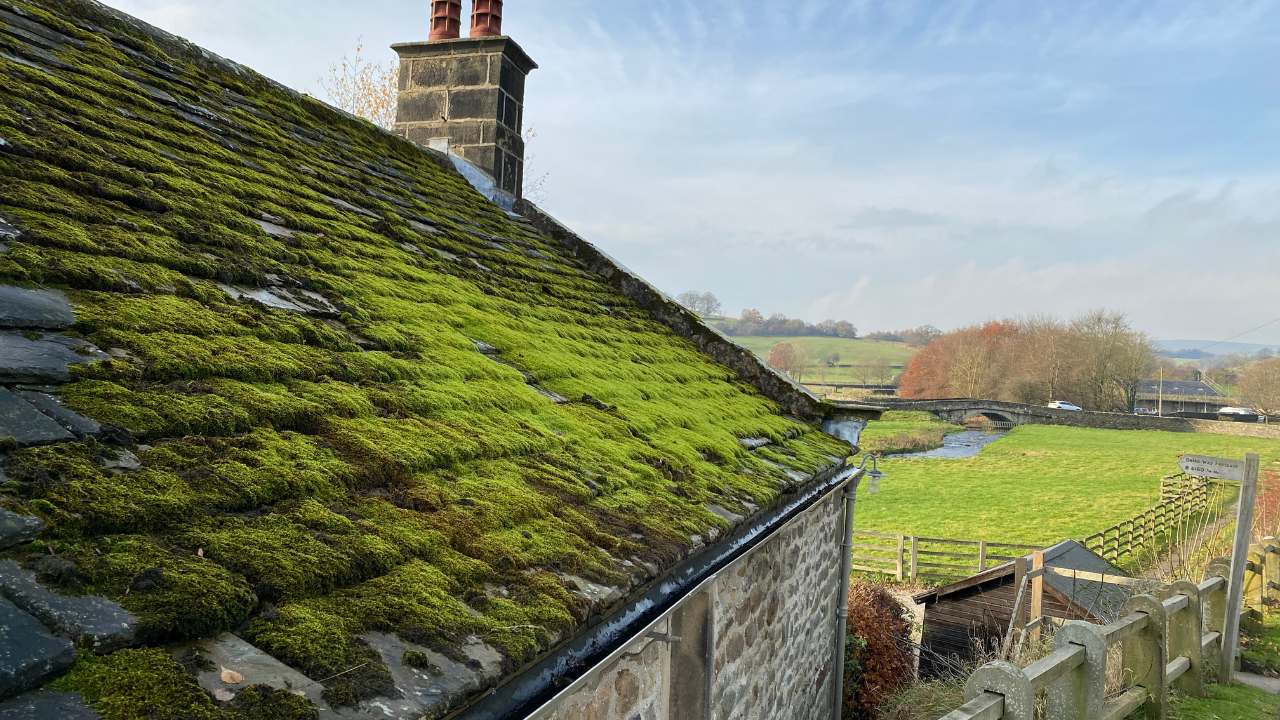
Roof moss is a type of simple plant that thrives in damp, shaded environments. It often grows on rooftops, especially in areas with high humidity or frequent rainfall. While it might look charming or rustic, moss can cause several issues when it comes to the energy efficiency of your home.
How Does Roof Moss Form?
Moss typically forms on roofs with poor drainage or where shade prevents adequate sunlight from reaching the surface. The spores of moss are carried by the wind and can easily take root in the crevices of your roof tiles, especially if moisture is present. This growth can quickly spread if not addressed.
Environmental Conditions Favoring Moss Growth
Regions with a lot of rain, like the Pacific Northwest, or areas with dense tree coverage are more susceptible to moss growth. Homeowners in these regions should be particularly vigilant in managing moss on their roofs.
The Energy Cost Impact of Roof Moss
The presence of moss on your roof can affect your home’s energy consumption in numerous ways:
Insulation Compromise
Roof moss can compromise the insulating properties of your roof. It retains moisture, which can penetrate the roofing materials and reduce their effectiveness in insulating your home. This might lead to higher energy bills as your heating or cooling systems work harder to maintain indoor temperatures.
Roof Damage and Energy Loss
Moss can cause significant damage to shingles by lifting them and allowing water to seep underneath. This not only affects the structural integrity of your roof but also creates gaps for air and heat to escape, leading to increased energy costs.
Increased Air Conditioning Usage
In warm weather, moss-covered roofs can become a haven for additional moisture, making your home feel warmer and more humid. Consequently, you may find yourself using air conditioning more frequently, further driving up energy expenses.
Preventing Roof Moss for Cost Savings
Regular Roof Inspections
Conducting regular inspections can help catch moss growth early. This proactive approach can save you money in the long run by preventing extensive damage and the associated energy costs.
Professional Moss Removal
Hiring professionals to remove moss can be a worthwhile investment. They can ensure the job is done safely and effectively, minimizing the risk of damage to your roof. Learn more about safe removal at roof removal tips.
DIY Prevention Methods
For those inclined to handle things themselves, there are many DIY methods to prevent moss growth, such as using zinc strips or regular cleaning. Check out our budget tips for effective DIY solutions.
Long-term Benefits of Moss Management
Managing roof moss not only helps reduce energy costs but also extends the life of your roof, preventing expensive repairs or replacements. Regular maintenance and care can lead to significant savings over time.
Environmental and Aesthetic Benefits
Beyond cost savings, managing moss can improve the aesthetic appeal of your home and contribute to a healthier environment by maintaining better air quality indoors.
Expert Opinions on Roof Moss
Industry experts agree that while roof moss might seem innocuous, its potential to increase energy costs and damage roofs is significant. According to the professionals at Abbey Roofing, regularly addressing moss can prevent larger issues down the line.
Case Studies: Real-World Impacts
Numerous homeowners have reported a decrease in their energy bills after removing roof moss. These real-world examples highlight the importance of tackling moss as a preventive measure.
FAQs about Roof Moss and Energy Costs
1. Can roof moss really increase my energy bills?
Yes, roof moss can increase energy bills by compromising insulation and causing your heating and cooling systems to work harder.
2. How often should I check for roof moss?
It’s advisable to inspect your roof at least twice a year, especially after rainy seasons.
3. Is professional roof moss removal worth the cost?
Professional removal is often worth the investment, as it can prevent extensive damage and help maintain energy efficiency.
For more insights on managing roof moss, visit our safety checklist.
This article contains affiliate links. We may earn a commission at no extra cost to you.