As a homeowner, you may have noticed unsightly green patches on your roof or issues with your gutters. These are often signs of roof moss and gutter problems, which can lead to significant damage if not addressed. Understanding the causes and solutions for these issues is crucial to maintaining your home.
The growth of roof moss often indicates that your roof is retaining moisture, creating an ideal environment for moss to thrive. Meanwhile, gutter problems can exacerbate the issue by allowing water to back up and further saturate roof materials.
Understanding Roof Moss
What is Roof Moss?
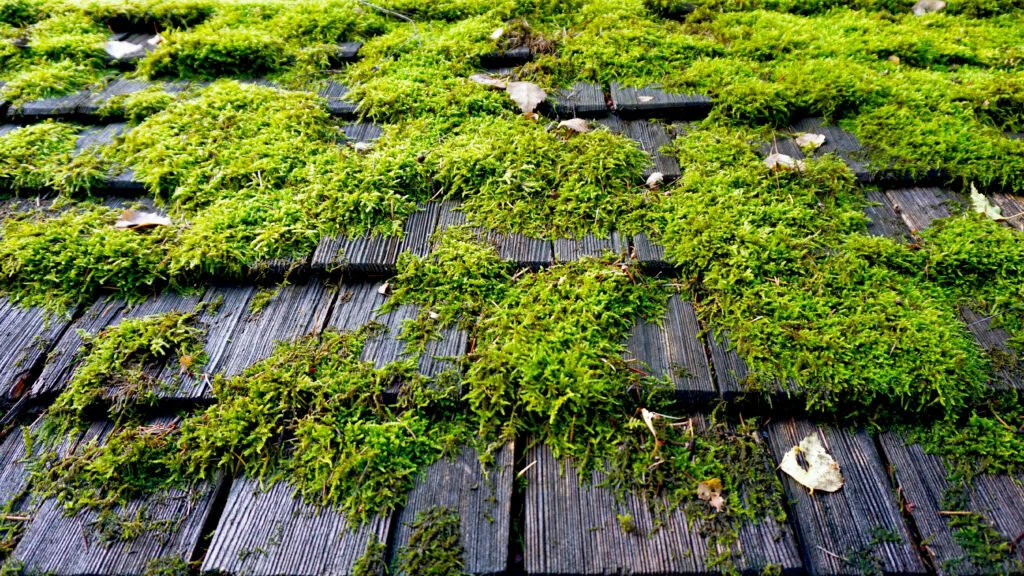
Roof moss is a type of plant that thrives in damp, shaded environments. It can quickly spread across roof surfaces, especially if conditions are favorable. While it may seem harmless, moss can cause significant damage over time.
Why Does Moss Grow on Roofs?
Moss grows best in areas that are shaded and moist. If your roof has overhanging trees or is situated in a location that does not receive much sunlight, it is more prone to moss growth. Additionally, clay and asphalt shingles provide a rough surface that moss can easily cling to.
Impact of Roof Moss
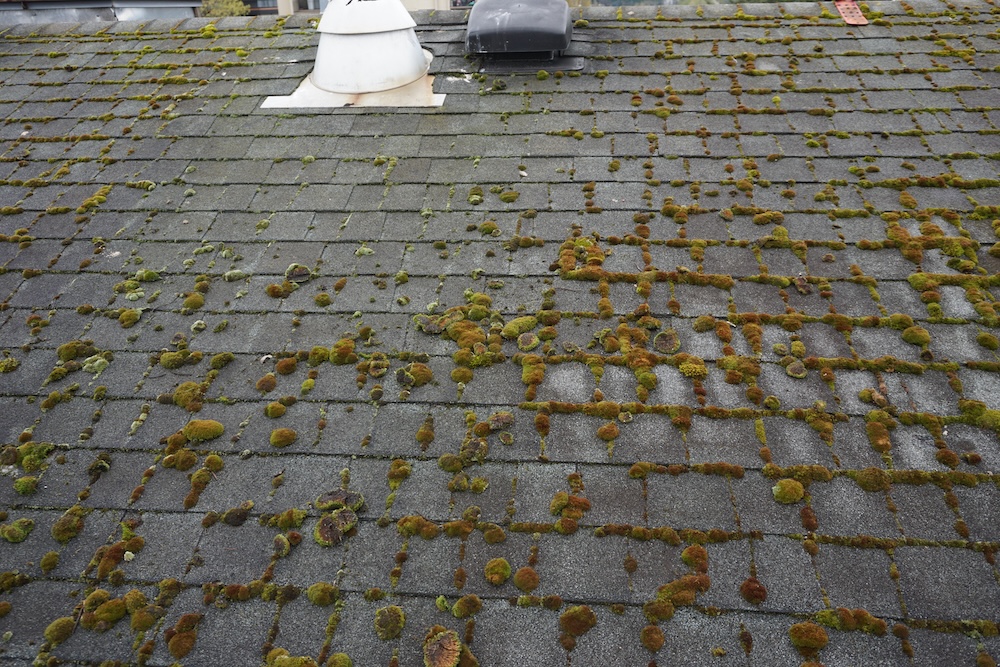
Moss can cause shingles to lift and break, which allows water to seep underneath and lead to leaks. Over time, this can cause extensive water damage to your roof and home interior, leading to costly repairs.
Identifying Gutter Problems
Common Gutter Issues
Gutter problems can vary from blockages to sagging gutters. Blockages are often caused by leaves, twigs, and other debris that accumulate in the gutters, preventing water from flowing freely. Sagging occurs when gutters are improperly installed or filled with debris.
How Gutter Problems Affect Your Home
When gutters are clogged or sagging, they cannot function effectively, causing water to overflow and seep into your homes foundation. This can result in damp basements, damaged siding, and even structural instability.
Link Between Roof and Gutter Issues
There is a direct link between roof moss and gutter problems. Moss can contribute to gutter blockages, while poorly maintained gutters can exacerbate moss growth. This creates a cycle of damage if not addressed promptly.
Preventing Roof Moss and Gutter Problems
Regular Maintenance
Regular maintenance is key to preventing roof moss and gutter problems. Clean your gutters at least twice a year and inspect your roof for signs of moss. Early detection and removal can save you from costly repairs.
Professional Inspection
Consider hiring a professional to inspect your roof and gutters annually. They can identify and address potential issues before they become significant problems.
Use of Moss-Resistant Materials
When replacing your roof, consider using moss-resistant materials. These materials can reduce the likelihood of moss growth and extend the lifespan of your roof.
Solutions for Roof Moss
DIY Treatments
There are several DIY treatments available for removing moss from your roof. These include using a mixture of water and bleach or specialized roof cleaning solutions. However, exercise caution to avoid damaging your shingles.
Professional Moss Removal
For extensive moss growth, it is best to hire a professional. They have the tools and expertise to safely and effectively remove moss without damaging your roof. For more information, visit this guide.
Solutions for Gutter Problems
Gutter Cleaning
Regular gutter cleaning is essential for preventing blockages. Use a hose to flush out debris and ensure that water flows freely through your gutters.
Gutter Guards
Install gutter guards to minimize debris accumulation. These guards allow water to flow while keeping leaves and twigs out.
Repair and Replacement
If your gutters are damaged, consider repairing or replacing them. Properly functioning gutters are crucial for diverting water away from your home.
Conclusion
Understanding the connection between roof moss and gutter problems can help you take proactive measures to protect your home. By maintaining your roof and gutters, you can prevent costly damage and ensure your home remains in excellent condition.
FAQs
Can I remove roof moss myself?
Yes, you can remove moss using DIY solutions, but be cautious to prevent damage to your roof.
How often should I clean my gutters?
It is recommended to clean your gutters at least twice a year, ideally in spring and fall.
What should I do if my gutters are damaged?
If you notice damage, it is best to contact a professional to assess and repair or replace your gutters.
This article contains affiliate links. We may earn a commission at no extra cost to you.