


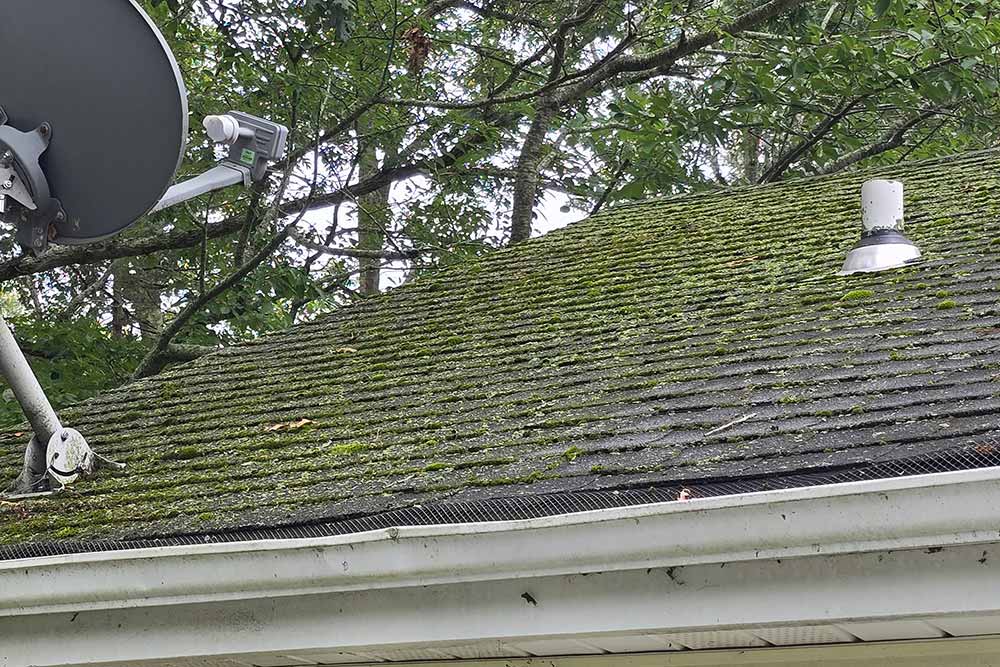
As a homeowner, ensuring the safety and longevity of your home is a top priority. One often overlooked aspect is the presence of roof moss, which can pose a significant falling risk. This comprehensive guide will help you understand the implications of roof moss and how to address it effectively.
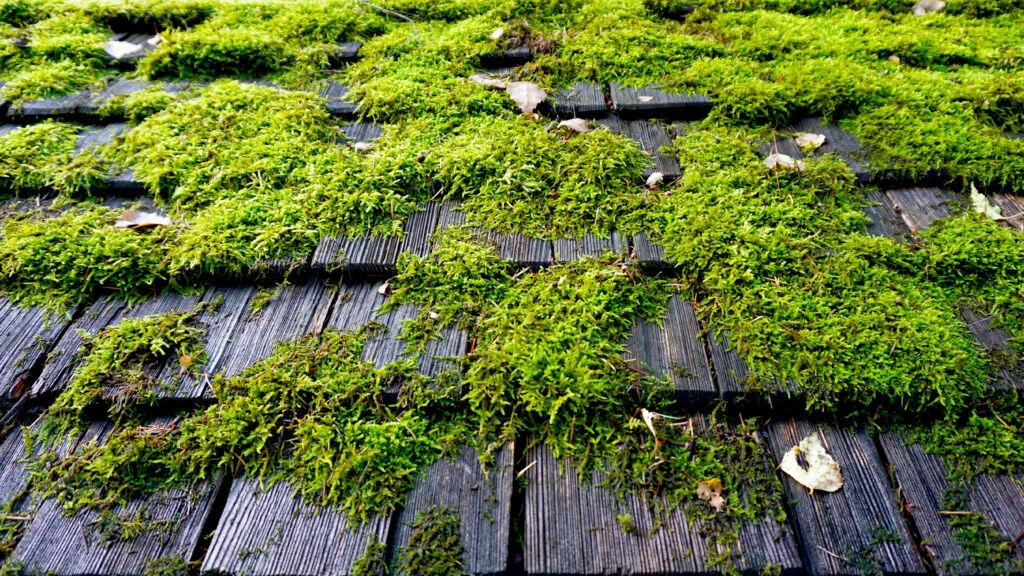
Understanding Roof Moss
Roof moss is a common problem in areas with high humidity and shade. It thrives in damp environments and can quickly cover the surface of your roof, leading to various issues.
What Causes Roof Moss?
The primary factors contributing to the growth of roof moss are moisture, shade, and organic debris. Roofs that are shaded by trees or other structures are more susceptible to moss growth.
Why is Roof Moss a Problem?
While moss might seem harmless, it can cause significant damage over time. It traps moisture against the roof surface, leading to rot, leaks, and other structural issues. Additionally, the presence of moss can increase the falling risk when walking on the roof.
The Falling Risk of Roof Moss
Moss-covered roofs become slippery, increasing the likelihood of falls. This is particularly dangerous for homeowners who attempt to clean their roofs without professional help.
How Roof Moss Increases Falling Risk
The thick, spongy layer of moss holds water, creating a slick surface. This makes walking on the roof hazardous, especially after rain or in the early morning when dew is present.
Safety Precautions
To reduce the falling risk, it’s essential to take safety precautions. Always use a sturdy ladder, wear non-slip shoes, and consider hiring professionals for roof maintenance.
Preventing Roof Moss
Preventing moss growth is crucial for maintaining the integrity of your roof. Regular maintenance and inspections can help identify and address potential problems early.
Regular Roof Inspections
Conduct regular roof inspections to check for signs of moss growth. Early detection allows for timely interventions, reducing the risk of damage and falls.
Trimming Overhanging Branches
Trim any branches that provide excessive shade to your roof. This increases sunlight exposure, reducing the likelihood of moss growth.
Removing Roof Moss Safely
If moss has already taken hold, removing it safely is essential to prevent damage and reduce the falling risk.
DIY Roof Moss Removal
For those who prefer to tackle the problem themselves, use a soft-bristle brush or a specialized moss removal product. Ensure you follow safety guidelines to avoid accidents.
Professional Roof Cleaning
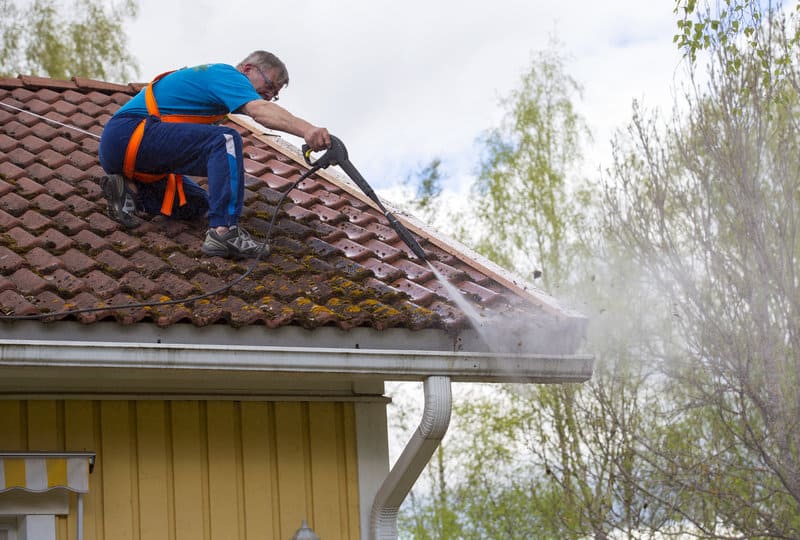
Hiring professionals for roof cleaning can be a safer and more effective option. They have the tools and expertise to remove moss without damaging your roof.
Long-term Solutions
Implementing long-term solutions can prevent moss growth and reduce future falling risks.
Zinc or Copper Strips
Installing zinc or copper strips along the roof ridge can inhibit moss growth. These metals release ions that prevent moss from taking hold.
Roof Moss-Resistant Shingles
Consider investing in moss-resistant shingles. These are designed to resist moisture absorption, preventing moss growth.
Impact on Home Value
Maintaining a moss-free roof can positively impact your home’s value. Prospective buyers are more likely to invest in a home with a well-maintained roof.
First Impressions Matter
A clean, well-maintained roof enhances curb appeal, making your home more attractive to potential buyers.
Reducing Future Costs
Addressing moss issues early can save you money in the long run by preventing costly repairs and maintaining your home’s structural integrity.
Environmental Considerations
While removing moss is essential, it’s important to consider the environmental impact of your chosen methods.
Eco-friendly Moss Removal
Opt for eco-friendly moss removal techniques that minimize harm to the environment. This includes using biodegradable products and avoiding harsh chemicals.
Sustainable Practices
Implementing sustainable practices, such as reducing water runoff and promoting proper drainage, can prevent moss growth while protecting the environment.
Frequently Asked Questions
Can roof moss cause leaks?
Yes, roof moss can trap moisture against the roof surface, leading to rot and leaks over time. Regular maintenance is crucial to prevent these issues.
Is it safe to remove roof moss myself?
While it is possible to remove roof moss yourself, it’s important to follow safety guidelines to reduce the falling risk. Hiring professionals is often a safer option.
How often should I inspect my roof for moss?
It’s recommended to inspect your roof for moss growth at least twice a year. Early detection allows for timely interventions, preventing damage and reducing risks.
For more insights on maintaining your roof after moss removal, you can visit maintain roof after removal. Additionally, learn about the differences between moss and algae stains and find out more about the impact of roof moss on leaks.
For a professional perspective on whether moss indicates the need for a new roof, explore this external resource on roof replacement.
This article contains affiliate links. We may earn a commission at no extra cost to you.


