Choosing the right material for your attic or roof can make a significant difference in your home’s comfort, energy efficiency, and even its long-term durability. With so many options on the market, understanding the differences between popular solutions is essential for homeowners looking to make informed decisions. This roof insulation types comparison will break down the most common materials, their pros and cons, and what to consider before making your investment.
Whether you’re renovating, building new, or simply trying to cut down on energy bills, the right insulation can help regulate indoor temperatures, prevent moisture issues, and reduce your carbon footprint. Before diving into the details, it’s important to recognize how insulation works and why the choice matters for every climate and roof structure.

For those concerned about moisture and condensation, it’s worth reviewing roof insulation and moisture control strategies, as these issues often go hand-in-hand with insulation choices.
Understanding the Main Roof Insulation Materials
The market offers a range of products, each with its own strengths and weaknesses. The most common options include fiberglass batts, spray foam, rigid foam boards, cellulose, and mineral wool. A thorough roof insulation types comparison involves looking at thermal performance (R-value), installation methods, cost, and suitability for different climates.
Fiberglass Batts and Rolls: The Traditional Choice
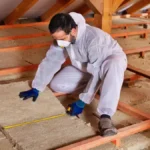
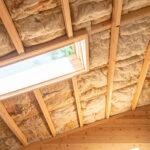
Fiberglass remains one of the most widely used materials for residential roofs and attics. Sold in pre-cut batts or rolls, it is made from fine glass fibers and is valued for its affordability and ease of installation.
- Pros: Cost-effective, widely available, easy for DIY installation, non-combustible.
- Cons: Can lose effectiveness if compressed or wet, may irritate skin and lungs during installation, gaps can reduce performance.
- Best for: Standard attics with regular joist spacing and minimal moisture risk.

Spray Foam: Superior Air Sealing and Efficiency
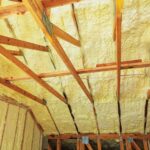
Spray foam insulation is applied as a liquid that expands and hardens, filling gaps and creating an effective air barrier. There are two main types: open-cell and closed-cell. Closed-cell foam provides a higher R-value and moisture resistance, while open-cell is more affordable and flexible.
- Pros: Excellent air sealing, high R-value per inch, moisture resistant (closed-cell), adds structural strength.
- Cons: Higher upfront cost, professional installation required, potential off-gassing during curing.
- Best for: Complex roof shapes, cathedral ceilings, areas needing maximum energy efficiency.
Rigid Foam Boards: High R-Value in a Thin Profile
Rigid foam panels, such as polyisocyanurate, extruded polystyrene (XPS), and expanded polystyrene (EPS), offer high insulation values and are often used above roof decks or in exterior applications. They are also suitable for interior attic installations where space is limited.
- Pros: High R-value per inch, moisture resistance, can act as a vapor barrier, lightweight.
- Cons: More expensive than batts, seams must be sealed for best performance, can be tricky to fit around obstructions.
- Best for: Flat roofs, exterior insulation, retrofits where space is at a premium.
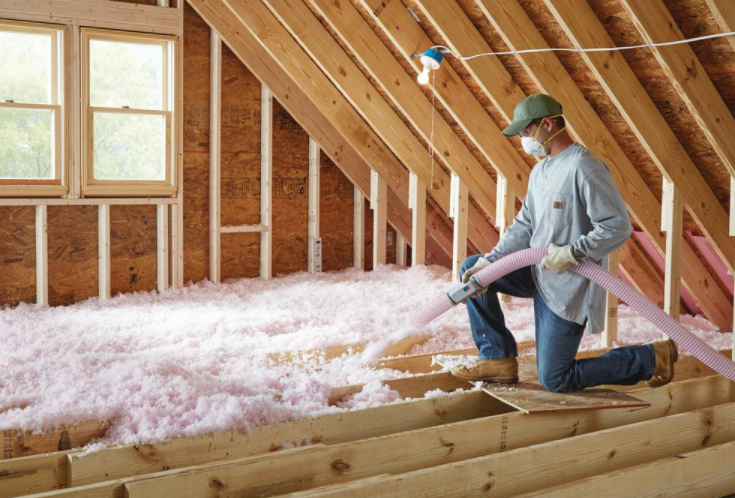
Cellulose: Eco-Friendly and Effective
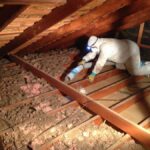
Made from recycled paper treated with fire retardants, cellulose is blown into attics and cavities, filling gaps and providing good coverage. It is considered a green option and is especially popular in retrofits.
- Pros: Environmentally friendly, good air sealing, effective in irregular spaces, affordable.
- Cons: Can settle over time, may absorb moisture, requires professional installation for best results.
- Best for: Older homes, attics with many obstructions, eco-conscious homeowners.
Mineral Wool: Fire and Moisture Resistant
Mineral wool (also known as rock wool or stone wool) is made from natural or recycled stone and slag. It is naturally fire resistant and does not absorb water, making it a strong choice for certain applications.
- Pros: Excellent fire resistance, water repellent, soundproofing qualities, does not support mold growth.
- Cons: More expensive than fiberglass, can be heavier, may require special handling.
- Best for: Homes needing extra fire protection, humid climates, sound-sensitive areas.
Comparing Roof Insulation for Different Climates
The effectiveness of any material depends on your local weather patterns. For example, those in hot regions may prioritize materials that reflect heat and resist moisture, while colder areas benefit from products with high R-values to trap warmth. If you live in a particularly warm or cold region, you may want to explore tailored advice for roof insulation for hot climates or roof insulation for cold climates.
In all cases, proper installation is just as important as material choice. Gaps, compression, or moisture intrusion can undermine even the best products, so always follow manufacturer guidelines or consult a professional.
Key Factors in a Roof Insulation Types Comparison
When weighing your options, consider the following criteria to make the most informed decision:
- Thermal Performance (R-value): Higher R-values mean better resistance to heat flow. Choose the right level for your climate and local building codes.
- Moisture Resistance: In humid or leak-prone areas, prioritize materials that resist water absorption and mold growth.
- Installation Complexity: Some products are DIY-friendly, while others require specialized equipment or expertise.
- Cost: Upfront price varies widely, but also consider long-term energy savings and potential rebates.
- Environmental Impact: Eco-friendly options like cellulose or mineral wool may appeal to those seeking sustainable solutions.
- Fire Safety: Materials like mineral wool and fiberglass offer added fire resistance, which may be a priority in some regions.
Maximizing Energy Efficiency and Comfort
No matter which product you choose, the goal is to create a continuous, effective thermal barrier. Pairing insulation with proper air sealing, ventilation, and moisture management can dramatically improve your home’s comfort and efficiency. For more on optimizing your home’s performance, see tips on roof insulation for energy efficiency.
Remember, the best solution is one tailored to your specific needs, budget, and climate. Consulting with a qualified contractor can help you navigate the options and ensure your investment pays off for years to come.
Frequently Asked Questions
What is the most cost-effective roof insulation for homeowners?
Fiberglass batts are generally the most affordable upfront, making them popular for budget-conscious projects. However, blown-in cellulose and certain rigid foam boards can offer better long-term savings depending on your home’s needs and local energy costs.
How do I know which insulation type is best for my climate?
The ideal choice depends on your region’s temperature extremes and humidity. In hot climates, materials with reflective properties and moisture resistance are beneficial. In colder areas, prioritize high R-value products. For more guidance, review resources on roof insulation for hot climates or roof insulation for cold climates.
Can roof insulation help prevent condensation and moisture problems?
Yes, proper insulation combined with air sealing and ventilation can reduce condensation risks. Some materials, like closed-cell spray foam and mineral wool, are especially effective at resisting moisture. For more on this topic, see roof insulation and condensation prevention.