


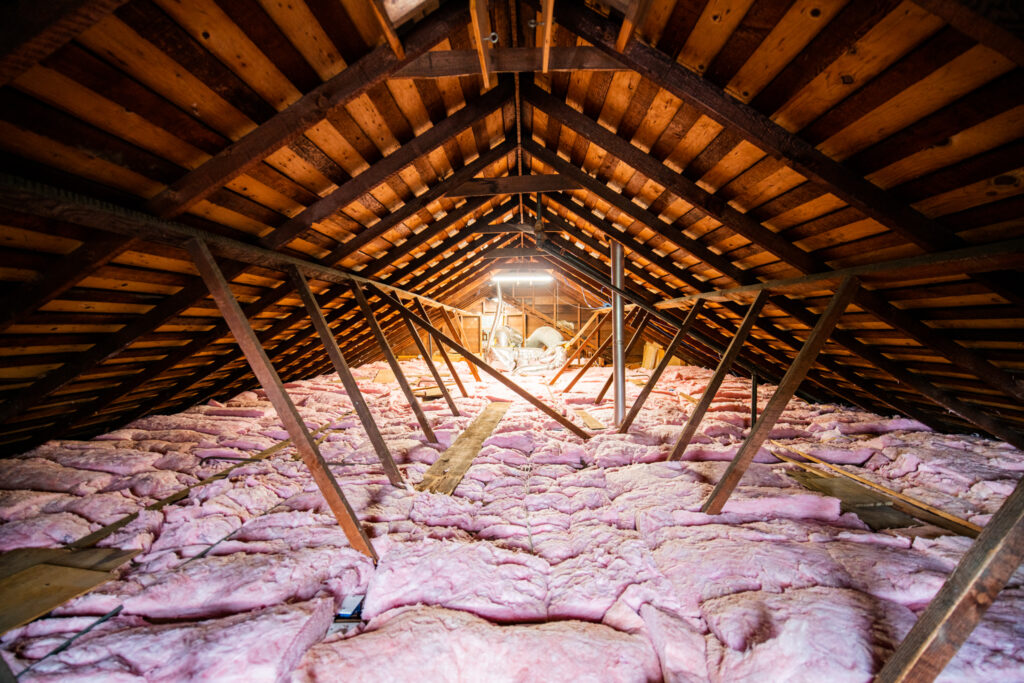
Properly insulating your roof can make a significant difference in your home’s comfort and energy efficiency. However, before starting any attic or roof insulation project, it’s crucial to understand the safety precautions involved. Many homeowners underestimate the risks associated with handling insulation materials, working in confined spaces, or navigating attic structures. This article offers practical guidance on how to protect yourself and your property while improving your home’s thermal performance.
If you’re interested in keeping your insulation in top condition throughout the year, you may also find our guide on attic insulation seasonal maintenance helpful.
Understanding the Importance of Roof Insulation Safety
Taking the right precautions during roof insulation projects is essential for both personal safety and the long-term performance of your home. Insulation materials can pose health risks if not handled correctly, and attics often present hazards such as low headroom, exposed nails, and unstable surfaces. By following roof insulation safety tips, you can avoid injuries, prevent property damage, and ensure your insulation works as intended.
Preparing for a Safe Insulation Project
Before you begin any work in your attic or on your roof, preparation is key. Start by gathering the necessary safety gear and tools. Here are the essentials:
- Protective clothing: Wear long sleeves, pants, and gloves to shield your skin from irritation.
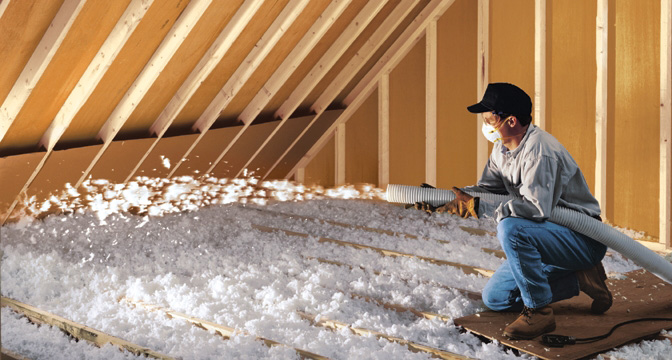
- Respiratory protection: Use a dust mask or respirator to avoid inhaling insulation fibers and dust.
- Eye protection: Safety goggles prevent particles from entering your eyes.
- Headlamp or flashlight: Good lighting helps you spot hazards in dim attic spaces.
- Stable ladder: Ensure your ladder is secure and placed on a flat surface.
It’s also wise to inspect your attic for any existing issues before starting. Look for signs of moisture, mold, or pests. If you notice any problems, address them before installing new insulation. For more on identifying potential trouble spots, see our advice on how to inspect attic insulation.
Key Roof Insulation Safety Tips for Homeowners
Following a set of best practices can help you minimize risks during your insulation project. Here are some of the most important guidelines:
Ventilation and Air Quality
Attics can quickly become stuffy and filled with airborne particles. Always keep the area well-ventilated by opening windows or using fans. This reduces your exposure to dust and insulation fibers, which can cause respiratory irritation.
Electrical Safety Precautions
Many attics contain exposed wiring or junction boxes. Before you start, turn off power to the area at your circuit breaker. Avoid covering recessed lighting fixtures or electrical boxes with insulation, as this can create a fire hazard. If you are unsure about the wiring in your attic, consult a licensed electrician.
Safe Handling of Insulation Materials
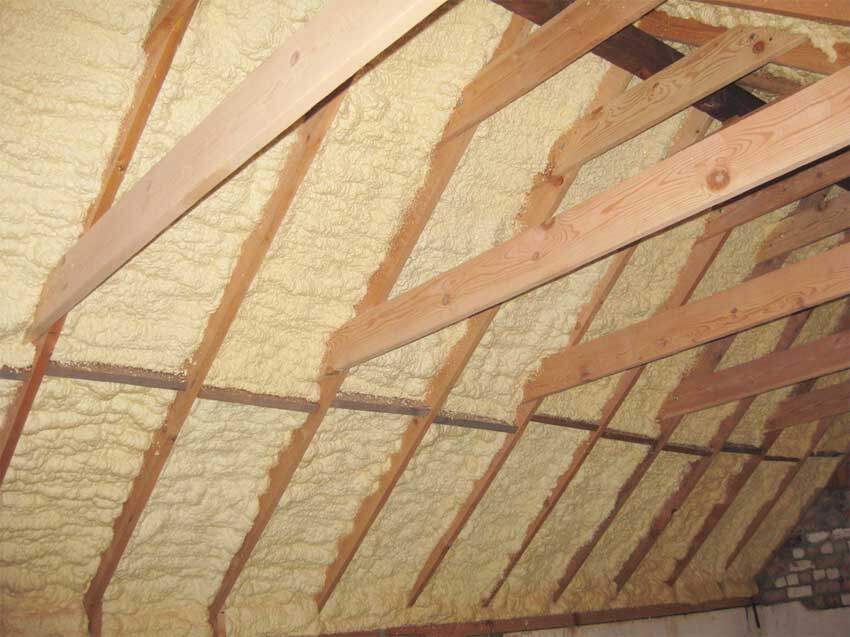
Different types of insulation—such as fiberglass, cellulose, or spray foam—require specific handling. For example, fiberglass can irritate skin and lungs, so always wear gloves and a mask. When working with blown-in insulation, avoid creating clouds of dust and distribute the material evenly to prevent gaps.
Protecting Against Falls and Structural Hazards
Attic joists are often the only solid surfaces to walk on. Step only on the joists, never on the insulation or drywall between them, as these areas may not support your weight. Consider laying down temporary boards to create a stable work platform. Always keep your workspace clear of tools and debris to prevent tripping.
Dealing with Common Attic Insulation Problems Safely
During your project, you may encounter issues such as damp insulation, evidence of pests, or areas where insulation has settled or shifted. Addressing these problems safely is crucial. Remove and dispose of any wet or moldy material wearing protective gear, and seal entry points to prevent future infestations. For more troubleshooting tips, check out our resource on attic insulation common problems.
Maintaining Safe and Effective Insulation Over Time
Once your insulation is installed, ongoing care helps maintain both safety and performance. Regularly inspect your attic for signs of moisture, damage, or animal activity. If you notice insulation that is compacted, missing, or contaminated, replace it promptly. For guidance on keeping your insulation in optimal condition, refer to our article on how to maintain attic insulation.
Additionally, be alert to indicators that your insulation may need replacement, such as persistent drafts, uneven temperatures, or rising energy bills. Our post on attic insulation replacement signs outlines what to watch for.
FAQ: Roof Insulation Safety and Best Practices
What protective gear should I wear when installing attic insulation?
Always wear long sleeves, pants, gloves, a dust mask or respirator, and safety goggles. These items protect your skin, lungs, and eyes from irritation caused by insulation fibers and dust.
Is it safe to install insulation near electrical wiring?
Take extra care around electrical components. Turn off power to the area before starting, and avoid covering recessed lights or junction boxes with insulation. If you are unsure about the safety of your wiring, consult a professional electrician.
How can I prevent falls while working in the attic?
Only step on attic joists or boards, never on the insulation or drywall between them. Use temporary boards to create a stable platform, and keep your workspace tidy to reduce the risk of tripping.
What should I do if I find mold or pests in my attic insulation?
Wear protective gear when removing contaminated insulation. Dispose of affected material properly, clean the area, and seal any entry points to prevent pests from returning. Address moisture sources to stop mold growth.
How often should I inspect my attic insulation for safety and performance?
It’s a good idea to check your attic insulation at least once a year, or after severe weather events. Look for signs of damage, moisture, or settling, and address any issues promptly to maintain both safety and energy efficiency.


