


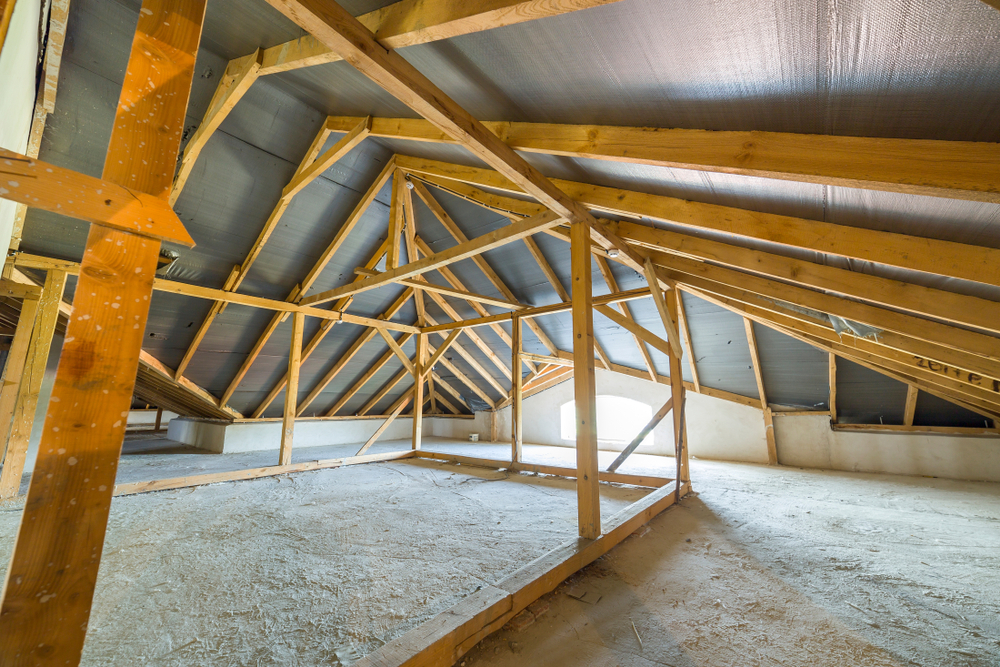
Choosing the right roof insulation for shingle roofs is crucial for maintaining energy efficiency, protecting your home from weather extremes, and extending the lifespan of your roofing materials. With a variety of insulation materials and installation methods available, understanding your options will help you make an informed decision that fits your climate, budget, and long-term needs.
Proper insulation not only keeps your home comfortable year-round but also reduces utility bills and prevents issues like ice dams and moisture buildup. In this guide, we’ll explore the most effective insulation types for homes with shingle roofing, discuss their pros and cons, and offer practical tips for installation and ongoing care.
If you’re interested in keeping your attic insulation in top condition throughout the year, check out our guide on attic insulation seasonal maintenance for practical tips and seasonal checklists.
Understanding Insulation Needs for Shingle Roofs
Shingle roofs are popular for their affordability and durability, but they also require effective insulation to perform at their best. The right insulation helps regulate indoor temperatures, prevents heat loss in winter, and keeps your attic cooler during hot summer months. For homes with asphalt or composite shingles, insulation must also manage moisture to avoid damaging the roof deck and shingles themselves.
Key factors to consider include:
- Climate zone – Colder regions need higher R-values for adequate thermal resistance.
- Attic ventilation – Proper airflow prevents condensation and roof damage.
- Roof structure – The design and slope of your roof may affect insulation choices and installation methods.
Top Insulation Materials for Shingle Roofs
Several insulation types are well-suited for use beneath shingle roofing. Each material offers unique benefits and considerations, so it’s important to match your choice to your home’s specific needs.
Fiberglass Batt and Roll Insulation
Fiberglass batts are among the most common forms of roof insulation for shingle roofs. They are easy to install, widely available, and cost-effective. Batts are typically placed between attic joists and rafters, providing a good balance of thermal resistance and affordability.
- Pros: Inexpensive, DIY-friendly, fire-resistant, and widely available.
- Cons: Can leave gaps if not installed properly, less effective at air sealing, and may lose effectiveness if compressed or wet.
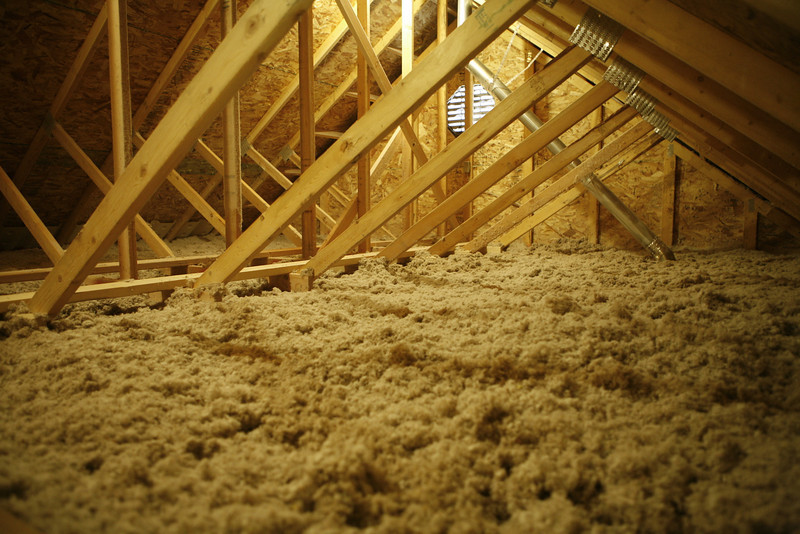
Blown-In Cellulose Insulation
Cellulose is made from recycled paper treated with fire retardants. It is blown into attic spaces, filling gaps and irregular areas more thoroughly than batts. This makes it a strong choice for older homes or attics with obstructions.
- Pros: Excellent coverage, eco-friendly, good air sealing properties, and effective at reducing drafts.
- Cons: Can settle over time, may absorb moisture if not properly protected, and professional installation is often recommended.
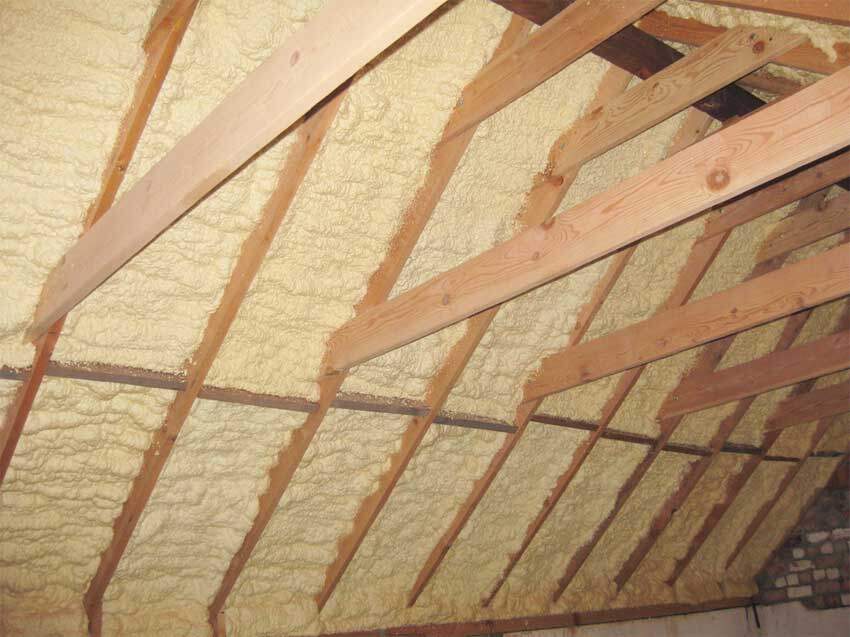
Spray Foam Insulation for Shingle Roofs
Spray foam is a premium option that expands to fill every nook and cranny, creating an air-tight seal. It comes in two main types: open-cell and closed-cell. Closed-cell foam offers higher R-values and moisture resistance, making it ideal for challenging climates or areas prone to leaks.
- Pros: Superior air sealing, high R-value per inch, moisture barrier, and structural reinforcement.
- Cons: Higher upfront cost, requires professional installation, and may not be suitable for all roof assemblies.
Rigid Foam Board Insulation
Rigid foam boards, such as polyisocyanurate or extruded polystyrene, are installed above or below the roof deck. They provide high thermal resistance and can be used in combination with other insulation types for maximum efficiency.
- Pros: High R-value, moisture resistance, and adds structural strength to the roof.
- Cons: More expensive, may require additional labor or changes to roof structure, and must be installed with care to avoid thermal bridging.
Installation Tips for Effective Roof Insulation
Proper installation is essential to get the full benefits of any insulation material. Here are some best practices for insulating under shingle roofs:
- Seal all air leaks before adding insulation, especially around pipes, vents, and electrical boxes.
- Ensure attic ventilation is not blocked by insulation—use baffles to keep soffit vents clear.
- Install vapor barriers where needed to prevent moisture from entering insulation layers.
- Follow manufacturer guidelines for thickness and coverage to achieve the recommended R-value for your region.
- Consider hiring a professional for spray foam or blown-in applications to ensure even coverage and safety.
Maintaining and Inspecting Your Insulation
Even the best insulation can lose effectiveness over time due to settling, moisture, or pest activity. Regular checks and maintenance help protect your investment and ensure lasting performance. For a step-by-step approach to keeping your attic insulation in peak condition, see our article on how to maintain attic insulation.
Look for signs such as uneven temperatures, increased energy bills, or visible gaps in insulation. If you notice any of these issues, it may be time for a closer inspection or even replacement. For guidance, our resource on attic insulation replacement signs outlines what to watch for.
Common Issues and How to Address Them
Problems like moisture intrusion, mold, or pest infestations can compromise your insulation’s effectiveness and even damage your roof structure. Addressing these issues promptly is key to maintaining a healthy and efficient home. For troubleshooting tips, refer to our guide on attic insulation common problems.
Regular inspections and timely repairs can prevent costly damage and help your insulation perform as intended year after year. If you’re unsure how to perform a thorough check, our article on how to inspect attic insulation provides a detailed walkthrough.
Frequently Asked Questions
What R-value is recommended for attic insulation under shingle roofs?
The recommended R-value varies by climate zone. In colder regions, an R-value of R-49 to R-60 is often suggested, while milder climates may require R-30 to R-38. Always check local building codes for specific requirements.
Can I install new insulation over old insulation in my attic?
In most cases, you can add new insulation over existing material as long as the old insulation is dry, not compressed, and free of mold or pest damage. Remove any wet or contaminated insulation before adding new layers.
How do I know if my attic insulation needs to be replaced?
Signs that your insulation may need replacement include uneven temperatures in your home, higher energy bills, visible gaps or thinning, moisture problems, or evidence of pests. For more details, see our guide on attic insulation replacement signs.


