Choosing the right roof insulation for pitched roofs is essential for homeowners looking to improve energy efficiency, comfort, and long-term durability. With a variety of materials and installation methods available, understanding the pros and cons of each option can help you make an informed decision tailored to your property’s needs. This article explores the leading insulation types for sloped roofs, practical installation tips, and maintenance considerations to ensure lasting performance.
Proper insulation not only helps maintain a comfortable indoor temperature year-round but also reduces energy bills and protects your roof structure from moisture-related issues. Whether you’re renovating an older home or building new, selecting the best insulation approach for your pitched roof is a key investment in your property’s future.
For those interested in keeping their insulation effective over time, it’s important to learn about attic insulation seasonal maintenance to avoid common issues and maximize energy savings.
Understanding Insulation Needs for Sloped Roofs
Pitched roofs present unique challenges and opportunities when it comes to insulation. Their angled design creates attic spaces and voids that can either trap heat or allow it to escape, depending on how well they are insulated. The main goals of insulating a sloped roof are to:
- Minimize heat loss during winter and heat gain in summer
- Prevent condensation and moisture buildup
- Enhance indoor comfort and reduce energy consumption
- Protect the roof structure from temperature fluctuations
The most effective approach depends on your roof’s construction, local climate, and whether the attic is used as living space or storage.
Key Types of Roof Insulation for Pitched Roofs
There are several popular materials and methods used to insulate pitched roofs. Each has its own strengths, cost considerations, and suitability for different applications.
Blanket Insulation: Rolls and Batts
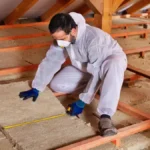
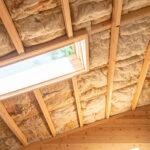
Blanket insulation, available as rolls or batts, is one of the most common choices for sloped roofs. Made from materials such as fiberglass, mineral wool, or sheep’s wool, these products are designed to fit snugly between rafters and joists.
- Advantages: Easy to install, cost-effective, widely available
- Drawbacks: Requires precise fitting to avoid gaps, can sag over time if not properly supported
Blanket insulation works well for accessible attics and is a popular DIY solution. However, it’s important to ensure there are no gaps or compressed areas, as these can significantly reduce thermal performance.
Rigid Foam Boards for Pitched Roofs
Rigid foam boards, made from materials like polyisocyanurate, extruded polystyrene (XPS), or expanded polystyrene (EPS), offer high insulating value in a relatively thin profile. These boards are typically installed above or below the rafters.
- Advantages: High R-value per inch, moisture resistant, provides a continuous insulation layer
- Drawbacks: More expensive than blanket insulation, may require professional installation
Foam boards are ideal for both new builds and retrofits, especially when maximizing insulation without sacrificing headroom is a priority.
Spray Foam Insulation Solutions
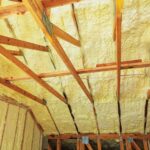
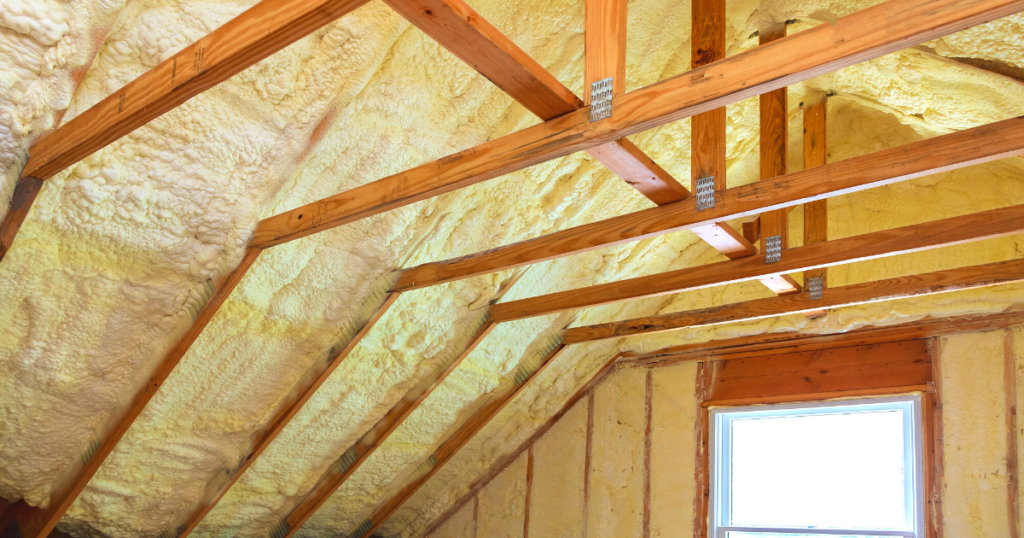
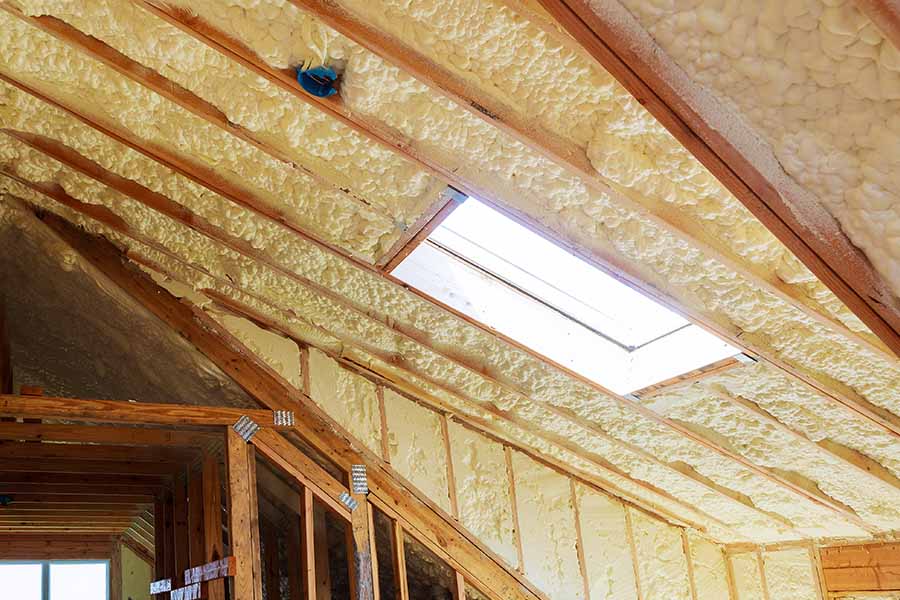
Spray foam is a versatile option for insulating pitched roofs, especially in hard-to-reach areas or irregular spaces. It expands to fill gaps and creates an air-tight seal, which helps prevent drafts and moisture intrusion.
- Advantages: Excellent air sealing, high insulating value, conforms to any shape
- Drawbacks: Higher upfront cost, requires professional application, may need ventilation adjustments
There are two main types: open-cell and closed-cell spray foam. Closed-cell offers a higher R-value and acts as a vapor barrier, while open-cell is more affordable and provides good sound insulation.
Loose-Fill and Blown-In Materials
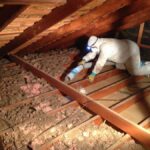
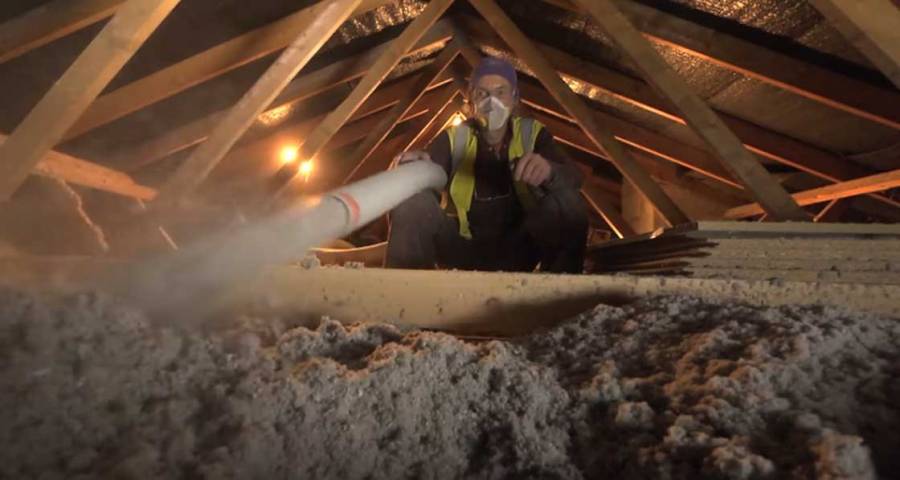
Loose-fill insulation, such as cellulose or fiberglass, is blown into attic spaces using special equipment. This method is effective for covering irregular or hard-to-access areas, and is often used to top up existing insulation.
- Advantages: Fills gaps and voids, good for retrofitting, quick installation
- Drawbacks: Can settle over time, may require containment barriers, less suitable for steeply pitched roofs
While not always the first choice for steep slopes, blown-in options can be a practical supplement in certain situations.
Installation Methods for Sloped Roof Insulation
The method of installing insulation in a pitched roof depends on whether you’re working from inside the attic or above the roof deck. The two main approaches are:
- Between Rafters: Insulation is placed between the wooden rafters, either as batts, rolls, or spray foam. This is common in attic conversions or when the attic is used as living space.
- Above Rafters (Warm Roof): Rigid boards are installed above the rafters and beneath the roof covering. This reduces thermal bridging and is often used in new construction or major renovations.
Proper installation is critical. Gaps, compression, or poor vapor control can lead to reduced performance and moisture problems. For best results, consider professional installation, especially for spray foam or above-rafter systems.
Maintaining and Inspecting Your Roof Insulation
Even the best insulation can lose effectiveness if not properly maintained. Regular checks help identify issues such as settling, moisture intrusion, or pest damage. Homeowners should inspect their attic at least once a year and after major weather events.
For detailed advice on keeping your insulation in top condition, see our guide on how to inspect attic insulation. Addressing small problems early can prevent costly repairs and maintain energy efficiency.
If you notice drafts, uneven temperatures, or visible damage, it may be time to consider upgrades or replacement. Understanding attic insulation replacement signs can help you decide when action is needed.
Common Problems and Solutions for Sloped Roof Insulation
Some typical issues with insulation in pitched roofs include:
- Poor coverage or gaps between insulation layers
- Moisture buildup leading to mold or rot
- Compression or settling of materials over time
- Pest infestations damaging insulation
Many of these problems can be prevented with proper installation and regular maintenance. For more troubleshooting tips, check out our article on attic insulation common problems.
FAQs About Insulating Pitched Roofs
What is the most effective type of insulation for a sloped roof?
The most effective option depends on your roof’s structure, budget, and climate. Rigid foam boards and spray foam offer high insulating values and air sealing, while blanket insulation is affordable and easy to install. Consulting a professional can help determine the best fit for your needs.
How thick should insulation be in a pitched roof?
Thickness requirements vary by material and local building codes. Generally, a minimum R-value of R-38 is recommended for attics in colder climates, which may require 10–14 inches of fiberglass or 4–6 inches of rigid foam. Always check local regulations for specific guidelines.
Can I install insulation myself, or should I hire a professional?
DIY installation is possible for blanket and some loose-fill products if you have good access and basic skills. However, spray foam and above-rafter systems are best left to professionals due to safety and performance considerations.
How do I know if my pitched roof insulation needs replacing?
Signs include increased energy bills, uneven temperatures, visible damage, or evidence of moisture and mold. Regular inspections can help you spot these issues early and take corrective action.
Conclusion
Selecting the right roof insulation for pitched roofs is a crucial step in maximizing your home’s energy efficiency and comfort. By understanding the different materials, installation methods, and maintenance practices, you can ensure your investment delivers long-term value. Take time to assess your roof’s unique needs and consult with insulation professionals for tailored recommendations.