


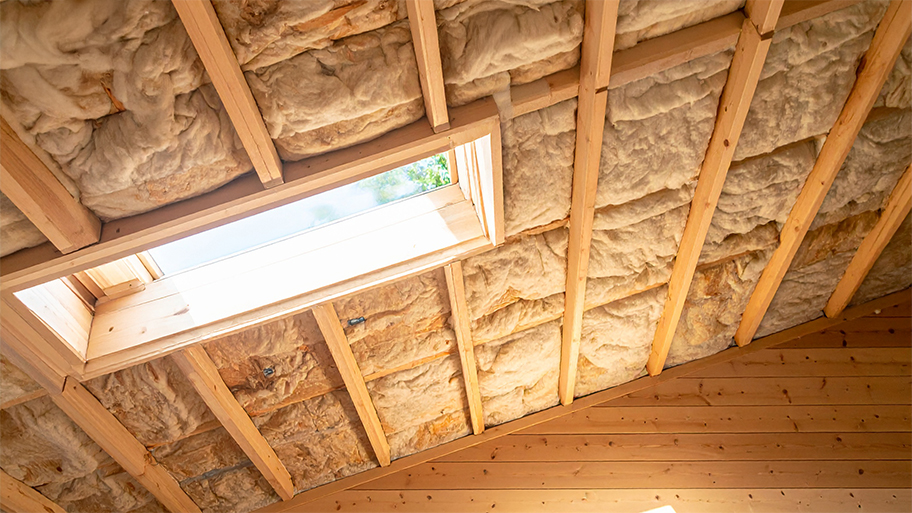
Metal roofing is known for its durability, energy efficiency, and modern appearance, but it also presents unique challenges when it comes to maintaining comfortable indoor temperatures. Choosing the right roof insulation for metal roofs can make a significant difference in energy bills, comfort, and even the lifespan of your roof. This article explores the most effective insulation materials and methods for homes with metal roofing, including their benefits, drawbacks, and practical installation tips.
Before diving into the various solutions, it’s important to understand that insulation for metal roofs not only reduces heat transfer but also helps with moisture control and noise reduction. Whether you’re building a new home or upgrading an existing one, the right approach to insulating a metal roof can pay off for years to come.
For homeowners interested in keeping their insulation in top shape, it’s helpful to review attic insulation seasonal maintenance tips to ensure long-term performance and efficiency.
Why Insulation Matters for Metal Roofs
Metal roofs conduct heat more readily than other roofing materials, which means they can transfer outdoor temperatures into your home more easily. Without proper insulation, this can lead to higher cooling costs in summer and heat loss in winter. Additionally, condensation can form on the underside of metal panels, potentially leading to moisture problems and even mold growth if not addressed.
Effective roof insulation for metal roofs acts as a barrier, slowing down the transfer of heat and helping to regulate indoor temperatures. It also reduces noise from rain or hail and helps prevent condensation issues that could damage the roof structure or insulation itself.
Types of Insulation Suitable for Metal Roofs
There are several insulation materials and methods that work well with metal roofing systems. The best choice depends on your climate, budget, and whether you are insulating a new build or retrofitting an existing roof.
1. Spray Foam Insulation
Spray foam is one of the most effective options for insulating metal roofs. It expands to fill gaps and forms an airtight seal, which is excellent for both thermal resistance and moisture control. There are two main types: open-cell and closed-cell. Closed-cell spray foam is denser and provides a higher R-value, making it ideal for areas with extreme temperatures.
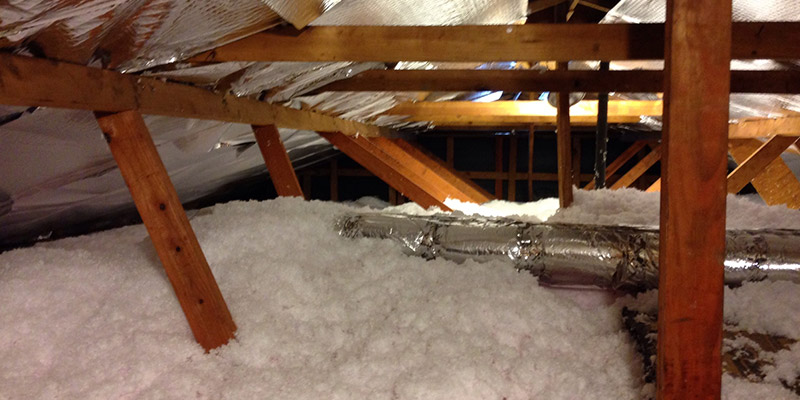
- Pros: Superior air sealing, moisture resistance, high R-value per inch, reduces noise.
- Cons: Higher upfront cost, requires professional installation, may be difficult to remove or repair.
2. Rigid Foam Board Insulation
Rigid foam boards, such as polyisocyanurate, extruded polystyrene (XPS), or expanded polystyrene (EPS), are commonly used under metal roofing panels or in attic spaces. They offer good thermal performance and are relatively easy to install, especially in new construction.
- Pros: High R-value, moisture resistant, lightweight, can be cut to fit any space.
- Cons: Seams must be carefully sealed to prevent air leaks, may not fit irregular spaces as well as spray foam.
3. Batt and Blanket Insulation
Fiberglass or mineral wool batts are traditional choices for attic insulation and can be used with metal roofs, especially in homes with accessible attics. They are typically installed between rafters or joists and are cost-effective for large areas.
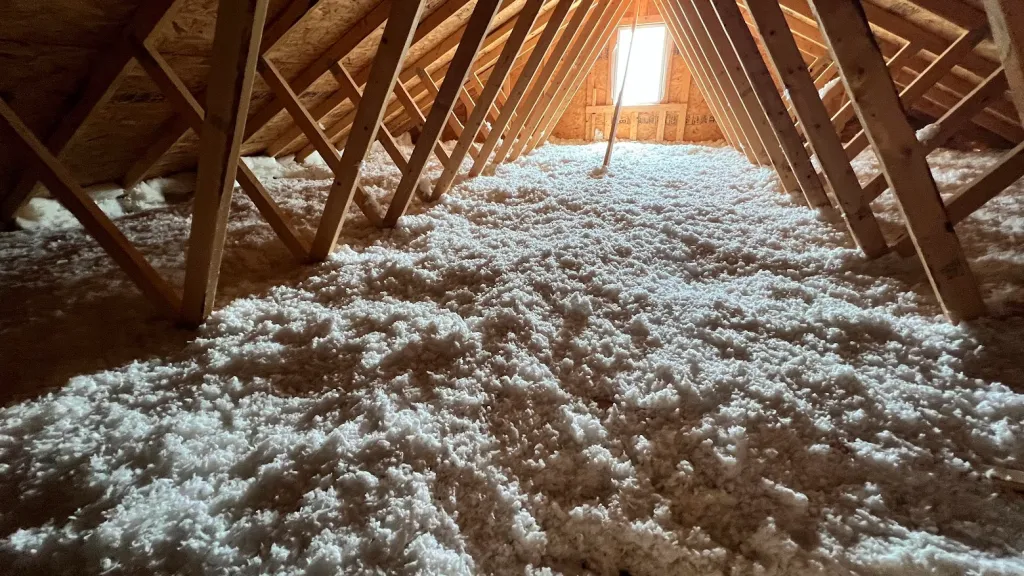
- Pros: Affordable, widely available, easy DIY installation.
- Cons: Lower R-value per inch, can sag or shift over time, less effective at air sealing.
4. Reflective or Radiant Barrier Insulation
Radiant barriers are typically installed on the underside of the roof deck and are designed to reflect heat away from the home. They are especially effective in hot climates where solar gain is a major concern.
- Pros: Reduces radiant heat, lightweight, can be combined with other insulation types.
- Cons: Less effective in cold climates, must be installed with an air gap to function properly.
Installation Considerations for Metal Roof Insulation
When planning insulation for a metal roof, consider whether you are working with a new build or retrofitting an existing structure. New construction allows for more options, such as installing rigid foam boards above the roof deck or using spray foam beneath the panels. In existing homes, most upgrades are done from the attic side, using batts, blown-in insulation, or spray foam.
Proper ventilation is also crucial. While insulation slows heat transfer, ventilation prevents moisture buildup and helps regulate attic temperatures. Make sure soffit and ridge vents are clear and functioning, and avoid blocking airflow with insulation materials.
For those looking to ensure their insulation continues to perform well, it’s wise to learn how to inspect attic insulation regularly for signs of damage, settling, or moisture issues.
Common Issues and Maintenance Tips
Even the best insulation can develop problems over time. Gaps, compression, moisture intrusion, and pest infestations can all reduce effectiveness. Regular inspections and maintenance are key to keeping your home comfortable and energy efficient.
- Check for wet spots, mold, or mildew, especially after heavy rain.
- Look for signs of pests or rodents, which can damage insulation.
- Ensure insulation hasn’t shifted or compressed, reducing its R-value.
- Seal any gaps or cracks that could allow air leakage.
If you notice persistent issues, it may be time to review attic insulation replacement signs to determine if an upgrade is necessary.
Frequently Asked Questions
What is the best insulation for metal roofs in hot climates?
In hot regions, combining a radiant barrier with spray foam or rigid foam board insulation is highly effective. Radiant barriers reflect solar heat, while foam products provide excellent thermal resistance and air sealing.
Can I install insulation under an existing metal roof?
Yes, you can add insulation from inside the attic using batts, blown-in materials, or spray foam. For major upgrades, consult a professional to assess whether additional ventilation or vapor barriers are needed.
How do I prevent condensation under a metal roof?
Proper insulation, combined with adequate ventilation, is the best way to control condensation. Closed-cell spray foam is particularly effective at creating a moisture barrier, but ensuring airflow through soffit and ridge vents is equally important.
How often should I check my roof insulation?
It’s a good idea to inspect your insulation at least once a year, ideally before and after extreme weather seasons. Regular checks help catch issues early and maintain energy efficiency.
Conclusion
Selecting the right roof insulation for metal roofs is essential for maximizing comfort, reducing energy costs, and protecting your home from moisture and noise. From spray foam and rigid boards to traditional batts and radiant barriers, each option has its strengths and ideal applications. Regular maintenance and inspections ensure your insulation continues to perform at its best, keeping your home comfortable year-round.
For more guidance on keeping your attic insulation in top condition, explore resources on how to maintain attic insulation and solutions for attic insulation common problems.


